Lava rocks and similar horticultural lava soils offer porous drainage media that help prevent root rot, improve aeration, and stabilize pH for a variety of plants. This guide highlights five well-regarded lava rock products ideal for succulents, cacti, bonsai, orchids, and other container plants. Each selection emphasizes good drainage, lightweight texture, and compatibility with soil mixes or top-dressing schemes. Read on to compare key features and choose the lava soil that best fits your plant collection and growing goals.
| Product | Brand | Use | Notes |
|---|---|---|---|
| BIOMAND 18LB Lava Rocks | BIOMAND | Drainage & soil amendment | Pre-washed, 3/8″ size, suitable for succulents and bonsai |
| Black Lava Rocks for Plants (1/4″) | Midwest Hearth | Top dressing & drainage | US mined, natural lava rock, 1/4″ size |
| Mix Horticultural Lava Pebbles Pumice | TOYPOPOR | Soil additive & top dressing | 2.2 lb, gritty mix for drainage |
| NUPICK 20lb Mix Horticultural Lava Rocks | NUPICK | Decorative gravel & soil amendment | 3/8″ colored mix, versatile |
| YISZM Succulent Horticultural Lava Rocks | YISZM | Bonsai / terrarium drainage | 2 lb, red and black lava rocks blend |
BIOMAND 18LB Lava Rocks For Plants

BIOMAND lava rocks are premium volcanic rocks sized at 3/8″ (5–10 mm), known for high porosity that enhances drainage and root oxygenation. The product comes pre-washed to reduce dust, though some natural texture may create minor particles during shipping; rinsing before use is advisable. This size and texture are ideal for layering at pot bottoms or mixing with soil at roughly a 20% ratio to improve aeration for moisture-sensitive plants such as succulents, orchids, and bonsai. The versatile application includes use as a decorative top dressing or as part of aquarium substrates.
Features include: premium volcanic rocks with strong porosity, pre-washed to minimize dust, and a practical 20% soil-mix recommendation to boost drainage without sacrificing nutrient access. For containers with frequent watering or for species prone to root rot, these rocks offer a reliable path to healthier root systems by keeping air spaces open between roots.
Black Lava Rocks For Plants Natural Horticultural Lava Rock (1/4″)

This 1/4″ lava rock product from Midwest Hearth is a compact, natural lava rock mined in the USA. The small size makes it ideal for cacti, bonsai, and other potted plants where rapid drainage and root oxygenation are essential. Being 100% natural with no additives, dyes, or fillers, it preserves the integrity of soil mixes while providing consistent performance.
Key benefits include straightforward use as a top dressing or soil amendment, a consistent particle size, and the assurance of no synthetic additives. These attributes help prevent soil compaction and provide visible drainage improvements, contributing to healthier root architecture in container environments.
Mix Horticultural Lava Pebbles Pumice Potting Soil Amendment

TOYPOPOR’s Mix Horticultural Lava Pebbles provide a well-draining gritty mix designed for succulents and cacti. The formulation supports drainage while delivering nutrition and mineral balance to help plants achieve rich coloration and robust growth. It can also be used to enhance other soil blends to reduce compaction and improve overall soil structure.
The product highlights straightforward preparation, reliable drainage, and a flexible role as both a soil additive and top dressing. Gardeners seeking a professional-grade gritty mix will appreciate its ability to balance moisture retention with necessary aeration for drought-tolerant species.
NUPICK 20lb Mix Horticultural Lava Rocks

NUPICK offers a vibrant 20-pound bag of 3/8″ lava rocks in a color-rich mix designed for decorative top dressing and soil amendments. The colored blend darkens when immersed in water, creating a visually striking mulch that maintains enduring beauty while providing the benefits of porous lava media. The rocks improve drainage and aeration, helping to prevent overwatering and root rot in succulents, cacti, bonsai, and other container plants.
Beyond aesthetics, these lava rocks support balanced soil pH and supply trace minerals that promote root development. The 3/8″ size is versatile for layering, potting amendments, and vase fill-ins, making it a practical choice for mixed plant displays.
TOYPOPOR Black Horticultural Lava Rock For Cacti And Succulents
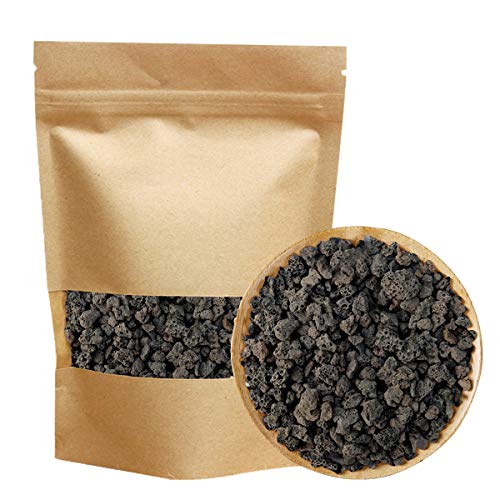
This 2.2 lb package from TOYPOPOR focuses on ease of maintenance and reliable drainage. The lava rock is a no-dyes, no-chemicals option designed to support moisture balance within the soil, making it ideal for orchids, succulents, cacti, and bonsai. The product emphasizes customizable mixes, allowing gardeners to combine lava rock with pine bark fines, granite grit, calcined clay, or dirt to tailor soil textures to specific plant needs.
Benefits include improved drainage, moisture retention where appropriate, and the flexibility to craft a soil profile that suits individual plants. The no-additive approach helps preserve plant health while delivering a visually appealing, porous substrate for root growth.
YISZM Succulent & Bonsai Lava Rocks

YISZM’s succulent and bonsai lava rocks blend red and black lava stones, Maifanitum, and green zeolite into a compact 2 lb mix sized 5–8 mm. The mix emphasizes improved drainage and enhanced aeration to promote healthy root development. Its gritty texture helps prevent overwatering and supports robust growth in terrarium settings, bonsai repotting, and indoor plant displays.
The combination of color and texture makes this option both functional and visually appealing for home use. The lava stones’ porous nature supports steady moisture flow and oxygen access to roots, benefiting drought-tolerant and moisture-sensitive species alike.
Buying Guide: Key Purchase Considerations And Comparisons
- Particle size and porosity: For succulents and cacti, 1/4″ to 3/8″ sizes are common and effective for drainage. Bonsai and orchid setups may benefit from a mix that includes finer particles to fill gaps without compaction.
- Dust and cleansing needs: Pre-washed lava rocks minimize dust, reducing irrigation debris and cleanup. Some products recommend a quick rinse before first use to remove residual dust from packaging.
- Color and aesthetics: Colored lava mixes (as seen with NUPICK products) provide decorative appeal while maintaining drainage. This is often a preference for top dressing and visible displays.
- Multi-use versatility: Many lava rock products double as soil amendments, top dressings, or aquarium substrates. Consider whether you need a single-use media or a flexible component for various projects.
- pH and mineral content: Lava rock generally offers inert mineral content, but some blends claim balanced trace minerals that can aid root growth. If soil pH is a concern, check product notes or test mixes.
- Size of project: For small terrariums or terraced displays, smaller particle sizes and lighter media help maintain air spaces. For larger pots, medium-sized lava rocks strike a balance between drainage and ease of handling.
- Maintenance and cleaning: Some lava media require occasional rinsing to remove fine dust or coating from transport. Plan for a simple rinse before use, especially if you are potting delicate species.
- Combination with soil: A common approach is to use lava rocks as a bottom layer to boost drainage or as a 20% to 30% soil-amendment component, depending on plant water needs and pot size.
Overall, lava rocks deliver consistent drainage improvement, root aeration, and aesthetic versatility for container gardening. When selecting a product, consider your plant types, pot sizes, and whether you want a decorative top layer or a deeper soil amendment. The five options listed above provide a range of sizes, blends, and applications to support resilient plant health in American homes and gardens.