Answering common buyer questions, this guide highlights the best Japanese weeping cherry blossom options and seeds for American gardens. It helps you choose based on size, climate, and care needs. The top picks cover live trees, bare-root transplants, and ornamental seed options suitable for landscapes, containers, and easy year-to-year maintenance. This list is best for homeowners seeking dramatic spring blooms, vertical drama in shrub borders, or a focal point in small yards.
Summary table of selected products
| Product | Best For | Type | Sun | Notes |
|---|---|---|---|---|
| Higan Japanese Pink Weeping Cherry Tree | Transplant-ready, dramatic pink Weeping Cherry | Live tree | Full to part sun | Bare-root option for California; winter dormancy |
| Shidare Yoshino Weeping Cherry Tree | Elegant white blossoms, classic specimen | Live tree | Full to part sun | Winter dormancy; bare-root shipping in some regions |
| Weeping Cherry Tree 6-12″ Tall | Compact, decorative for containers or small yards | Live seedling | Full sun | In a 3″ pot; striking cascading form |
| 2 Weeping Cherry Blossom Tree Plant | Pair planting, focal point in landscape | Live plants | Full sun | Shipped bare-root or potted; two plants |
| TomorrowSeeds Japanese Cherry Blossom Seeds | Low-maintenance starting point, biodiversity | Seeds | Full sun | Non-GMO; ideal for early season planting |
Higan Japanese Pink Weeping Cherry Tree
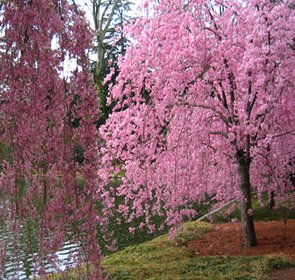
The Higan weeping cherry is a dormant, transplant-ready live tree. It ships as a 1 to 2 feet tall plant and is suited to USDA zones 4–8 with full to part sun. Best for gardeners who want a dramatic, cascading canopy once mature and who can transplant directly into garden soil. A key limitation is winter dormancy with no leaves, so plan for seasonal leaf drop and bare-root handling in some regions. California orders are shipped bare root per state regulations.
Weeping Cherry Tree – 6-12″ Tall Live Plant

This 6–12 inch tall weeping cherry comes in a 3″ pot and features cascading, graceful branches with a profusion of spring blossoms. It’s ideal for small spaces, containers, or patios where a compact specimen is desired. Best for gardeners who want a fast, visible impact without waiting years for tree maturity. A potential limitation is pot-bound growth; transplanting into garden soil after establishing is recommended for best results.
2 Weeping Cherry Blossom Tree Plant

These two live cherry plants, each 6–12 inches tall, are prepared for outdoor transplantation and arrive ready to establish in garden soil or larger containers. They provide a dramatic focal point with pink or white spring blooms. This option is best for landscape designers seeking symmetry or a paired display. Limitations include the need for careful root establishment in early planting seasons and the potential variability of bloom timing from year to year.
Shidare Yoshino Japanese Weeping Cherry Tree

The Shidare Yoshino is a white-flowering weeping cherry that thrives in zones 4–8 with full to part sun. It is shipped dormant and leafless in winter, making it easier to transplant into the ground rather than a container. Best for gardeners who want a classic, elegant weeping form and year-to-year structural impact. Caution: winter leafless periods can mask growth status during shipping in cold regions.
45+ Garden Weeping Cherry Blossoms Seeds

These non-GMO seeds offer a different route to enjoying cherry blossom beauty by growing from seed. They are suited for elevated planters, balcony boxes, and hanging baskets to create a cascading floral display. Seeds require shallow planting in well-draining soil and light exposure for germination. Best for gardeners who want a long-term, hands-on cultivation project and added garden texture. Limitation: seed germination can be seasonal and variable by climate.
Japanese Cherry Blossom Tree Saplings Set
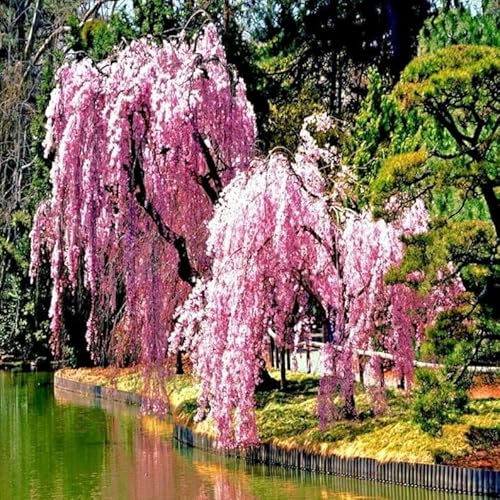
The set includes two 2-foot-tall bareroot saplings with planting instructions. Best for gardeners who want instant landscape impact with multiple trees or a pair for symmetry. It’s important to plant in mild seasons for root establishment. Limitation: bareroot stock may require careful handling and moisture protection during initial transplanting.
TomorrowSeeds Japanese Cherry Blossom Seeds

TomorrowSeeds offers 30+ seeds for planting, delivering ornamental blooms once established. This option is best for gardeners who enjoy growing from seed and want a broader landscape impact over time. Caution: seed germination can vary with climate, soil, and moisture conditions, and this is a longer-term project than purchasing a live plant.
Buying Guide
- Plant type and final size: Decide between small patio trees, standard landscape trees, or seed-based options. Weeping forms maximize drama but may require more space over time.
- Climate compatibility: Choose species that suit USDA zones 4–8 if you’re in temperate regions with cold winters and mild springs.
- Transplant method: Bare-root stock is common in some regions and often cheaper, but it requires careful planting and moisture management. Potted saplings may acclimate faster in warm seasons.
- Sun exposure: All listed options prefer full sun to encourage robust blooms; partial sun may reduce flowering intensity.
- Maintenance and care: Weeping cherry blossoms benefit from well-draining soil and regular moisture, especially during establishment. Pruning is typically done after flowering to shape growth.
- Your landscape goals: Use a pair for symmetry, a single standout tree as a focal point, or seeds for a long-term ornamental feature with evolving character.
FAQ
- Q: Do weeping cherry trees require special soil? A: They prefer well-draining soil; amend heavy soils and avoid waterlogged locations.
- Q: When is the best time to transplant these trees? A: Dormant periods in winter or early spring are ideal for transplanting of bare-root stock.
- Q: Are these trees suitable for containers? A: Smaller cultivars or cultivar-appropriate specimens can be container-planted, but large weeping varieties typically do best in-ground.
- Q: Do seeds reliably produce flowering trees? A: Seed-grown cherries can take many years to mature and flower; grafted or nursery stock offers quicker blooms.
- Q: How much sun do they need? A: Full sun (6+ hours) is generally best for abundant blossoms and healthy growth.
- Q: Are these plants pest-resistant? A: Pests vary by region; standard care and proper planting reduce common issues and improve vigor.