Looking for Italian roaster pepper seeds that grow true to type in American gardens? This guide highlights five dependable options, explaining who each seed packet suits best. Whether you want mild, sweet peppers for sandwiches or hot varieties for spicy dishes, these picks cover a range of heat, growth habits, and growing conditions. Use this overview to compare germination, flavor, and planting needs, so you can choose seeds that align with your climate and gardening goals.
| Product | Best For | Notes |
|---|---|---|
| Pepper Joe’s Italian Roaster Pepper Seeds | Beginner gardeners seeking mild, reliable peppers | USA grown, non-GMO |
| Italian Roaster II F1 Hybrid Hot Pepper Seeds | Salad lovers and pizza fans who want heat | Hybrid hot pepper |
| Giant Italian Roaster F1 Hybrid Sweet Pepper Seeds | Plants for containers or beds needing large fruit | Sweet, prolific |
| Giant Italian Roaster F1 Hybrid Sweet Pepper Seeds (45 Seeds) | Gardeners wanting high germination and versatility | Non-GMO, heirloom-style |
| Calabrian Pepper Ristra Italian Piccante Calabrese Spicy Pepper | Experienced growers seeking Italian spicy peppers | Premium pepper seeds |
Pepper Joe’s Italian Roaster Pepper Seeds
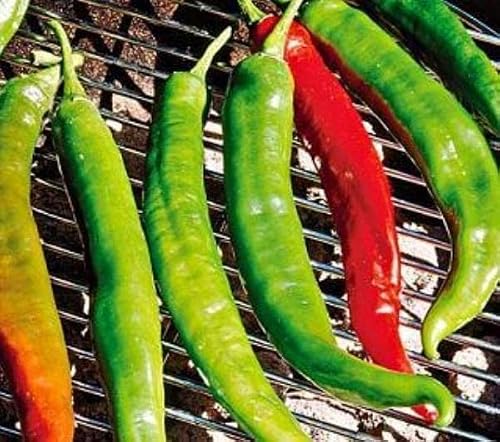
Best for gardeners seeking a simple, reliable introduction to Italian roaster peppers. This packet offers 10+ seeds that are grown and harvested by hand in the USA. The seeds are premium, mild, and ideal for fresh eating, roasting, or stuffing. Use this selection if you want predictable germination and a gentle pepper flavor suitable for kids and cooking beginners.
Who it’s best for: Home gardeners new to peppers, small-space plots, or those prioritizing non-GMO, USA-grown seed stock.
Limitations: Only a modest seed count; plan for multiple plantings for bigger harvests.
Italian Roaster II F1 Hybrid Hot Pepper Seeds

Best for experienced growers who want a hot, flavorful pepper suitable for salads and pizzas. This listing features heirloom-style, organic, and non-GMO claims, positioned as a versatile addition to gardens, greenhouses, or flower beds. The hybrid nature can offer uniform fruit but may vary in flavor compared with open-pollinated varieties.
Who it’s best for: Gardeners seeking reliable, mid-to-hot peppers with robust growth in diverse spaces.
Limitations: As a hybrid, seed quality consistency may vary year to year; save seeds if allowed by the seller’s terms.
Giant Italian Roaster F1 Hybrid Sweet Pepper Seeds

Best for gardeners wanting large, sweet peppers with a sizeable harvest. These giant roaster peppers are suited for beds, containers, and greenhouse cultivation. The seeds indicate compatibility with a broad growing range, making them a practical choice for both beginners and seasoned growers.
Who it’s best for: Those who prefer large, sweet peppers for stuffing or roasting and need reliable germination.
Limitations: Hybrid seeds may require precise climate control for peak performance; outdoor conditions can influence consistency.
Giant Italian Roaster F1 Hybrid Sweet Pepper Seeds (45 Seeds)

Best for gardeners needing higher seed counts with a promise of non-GMO, heirloom-style vigor and high germination. This packet emphasizes versatility across climates, suitable for containers, raised beds, and traditional gardens. It supports a broad pepper variety outcome from a single seed lot.
Who it’s best for: Medium-to-large gardens, growers who want a flexible, high-germination seed lot, and those growing in mixed climates.
Limitations: Marketing claims of heirloom and non-GMO should be verified for specific seed lot details at planting time.
Calabrian Pepper Ristra Italian Piccante Calabrese Spicy Pepper

Best for spice lovers who want authentic Calabrian heat. These premium seeds from Sherwood Seeds emphasize heirloom characteristics and classic Italian pepper flavor. Use this option if you aim to grow a pepper with a distinctive piccante profile for traditional Calabrian dishes.
Who it’s best for: Experienced gardeners seeking traditional Calabrese peppers with pronounced heat.
Limitations: Spiciness level may vary; hot varieties require careful handling and appropriate growing conditions to maximize yield.
Buying Guide: Key Considerations For Italian Roaster Pepper Seeds
- Seed type: Open-pollinated vs. hybrid. Open-pollinated varieties offer more stable traits year to year, while hybrids may provide uniform fruit and vigor but may limit seed saving.
- Heat and flavor: Determine whether you want mild, sweet, or hot peppers and choose seeds that align with those flavor profiles.
- Growing conditions: Consider climate, day length, and season length. Some seeds advertise greenhouse suitability or broad climate tolerance.
- Germination and germination temperature: Some seeds require warmer soil to germinate; indoor starting can improve success for cool climates.
- Plant size and yield: Choose varieties that fit your space, whether containers, raised beds, or in-ground plots, and estimate harvest size per plant.
- Seed count and price value: Compare seed counts per packet and practical yield expectations to gauge value for your garden size.
- Seed origin: USA-grown or non-GMO claims can be relevant for buyer preferences and regulatory considerations.
Frequently Asked Questions
- What is the best pepper seed for beginners wanting mild Italian roaster peppers? — Pepper Joe’s Italian Roaster Pepper Seeds are a good starting point for mild, easy-to-grow peppers.
- Are hybrid Italian roaster seeds worth choosing? — They can offer uniform fruit and vigor, but keep in mind seed-saving options vary by brand and seed lot.
- Do Calabrian pepper seeds require special care? — Spicy varieties like Calabrian peppers benefit from warm soil and careful moisture management to avoid blossom drop and stress.
- How many peppers can I expect per plant? — Yield depends on growing conditions, plant size, and variety; follow spacing guidelines on seed packets for best results.
- Can I grow Italian roaster peppers in containers? — Yes, many Italian roaster varieties perform well in containers with proper sun, soil, and watering practices.
- Should I start seeds indoors before transplanting? — Indoor starting is recommended in cooler climates to achieve a longer growing season and higher germination success.