Choosing the right indoor grow light can extend growing seasons, support seedlings, and keep houseplants thriving year-round. This guide highlights five top-rated options designed for American homes, balancing spectrum, intensity, timer features, and ease of use. Read on to compare performance, setup, and practical considerations so you can pick the best indoor sun lamp for your plants.
| Product | Brand | Key Features |
|---|---|---|
| GooingTop LED Grow Light | GooingTop | 6000K full spectrum, 10 red + 74 white LEDs, 5-level dimmable, auto on/off timer, USB/AC power |
| Juhefa Grow Light | Juhefa | 6000K full spectrum, 40 white + 8 red LEDs, auto timer, 5-dimming levels |
| RWNTAO Clip Grow Light | RWNTAO | 84 LEDs, 3 spectral modes, 10 dimmable levels, 3/9/12 hour timer, flexible gooseneck |
| LEOTER Upgrade Grow Light | LEOTER | 80 LEDs (32 red, 12 blue, 36 white), 3 spectral modes, 10 dimmable levels, auto timer |
| LBW Grow Light with Stand | LBW | Full spectrum, adjustable tripod 15–48″, energy efficient 30W |
GooingTop LED Grow Light: Clip-On Convenience
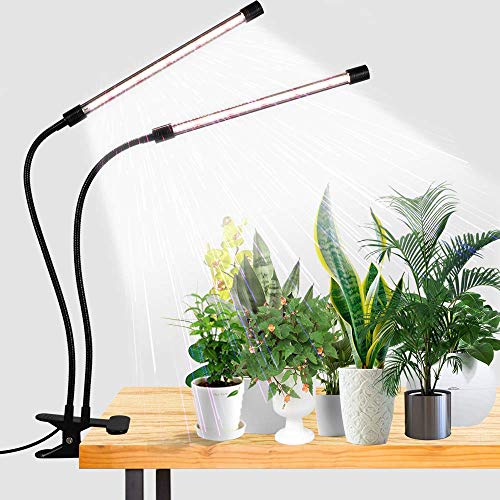
The GooingTop LED Grow Light uses a 6000K full-spectrum design with a mix of red and white LEDs to resemble noon sunlight. With a high color rendering index around 95, the light delivers soft, flicker-free illumination suitable for growing a variety of indoor plants and also functioning as a reading lamp. A flexible gooseneck and strong clamp enable precise positioning to cover leaves and stems effectively. The light supports multiple timer settings (4, 8, or 12 hours within a 24-hour cycle), making care effortless during workdays or travel. It can be powered via USB or standard AC adapters for compatibility with most setups.
Key considerations:
- Pros: Strong full-spectrum output, accurate color rendering, adjustable angle, simple timer.
- Cons: Clip may require a sturdy surface; taller plants may need a longer reach.
Juhefa Grow Light for Indoor Plants
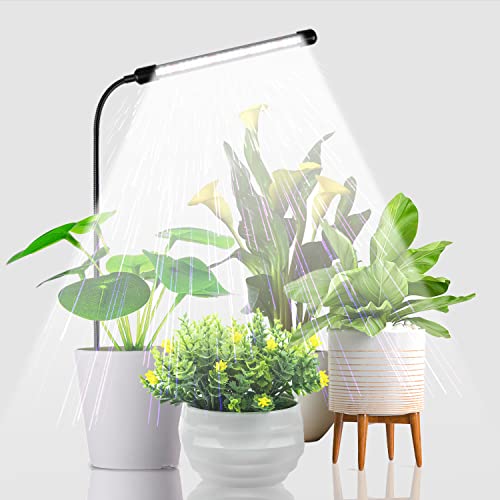
The Juhefa grow light emphasizes a 6000K full-spectrum output with 40 white and 8 red LEDs. Its design targets seedlings, herbs, succulents, and other small to medium plants, offering a high color rendering index for true plant colors and better photosynthesis. The fixture includes an auto on/off timer and five brightness levels, enabling gradual ramping of light as plants mature. Its gooseneck form factor provides flexible placement for hanging or surface mounting, suitable for compact indoor spaces.
Key considerations:
- Pros: Broad spectrum, consistent daylight-like color, versatile mounting options.
- Cons: Slightly higher LED count could impact power use over time.
RWNTAO Clip Grow Light: Simple Yet Versatile

The RWNTAO unit combines 84 LEDs across three spectral modes and a wide dimming range of 10 levels. Its clip-on design makes it easy to attach to shelves or tables, while the triple-mode spectrum supports different growth stages from germination to flowering. The built-in cycle memory timer can auto-run on schedules of 3, 9, or 12 hours, providing hands-off operation that is ideal for busy households or small offices. A flexible gooseneck supports precise light direction to match plant height and layout.
Key considerations:
- Pros: Flexible mounting, multiple spectrum modes, reliable auto-timer.
- Cons: Clip strength varies by surface; ensure a sturdy clip if used on lightweight fixtures.
LEOTER Grow Light: Full Spectrum With Dimmed Control
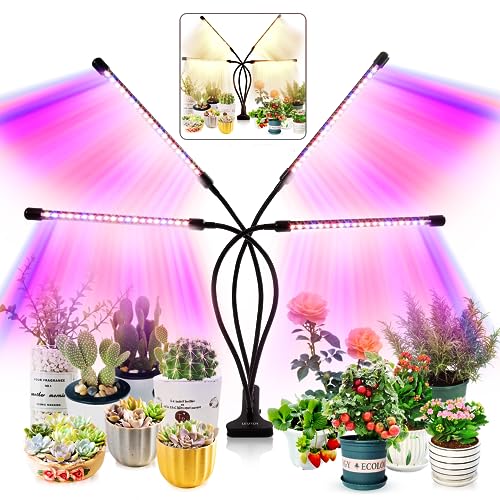
LEOTER’s upgraded design features 80 LEDs across three spectral zones (full spectrum, red, and blue) to support all plant growth stages. The light includes 10 dimmable levels and three switch modes, offering a broad range of brightness and spectral combinations. A circular auto-on/off timer automates daily operation, which helps maintain consistent photoperiods for seedling development and flowering. The adjustable gooseneck and height options support use with various plant sizes and growing environments.
Key considerations:
- Pros: Comprehensive spectral options, strong dimming and modes, reliable auto timer.
- Cons: Higher complexity of settings may require a brief learning curve for new users.
LBW Grow Light With Stand: Floor-Ready Illumination

LBW’s full-spectrum floor lamp design pairs a compact grow light with a sturdy, height-adjustable tripod. The 30W fixture delivers a balanced spectrum suitable for a variety of indoor plants, from herbs to small fruiting specimens. The tripod’s extension range—from desktop height to floor level—accommodates different plant heights and room layouts, while the LED efficiency keeps electricity use modest. The stand makes it a ready-to-use solution for apartments, dorm rooms, or home offices.
Key considerations:
- Pros: Flexible height and angle, space-saving footprint, energy-efficient.
- Cons: Floor-standing design may not suit ceiling-hanging setups.
Buying Guide: Key Purchase Considerations
When choosing an indoor sun lamp for plants, consider spectrum, intensity, coverage, timer features, and form factor. Here are essential factors and how they impact growth and usability:
- Spectrum and color temperature: Full-spectrum lights (roughly 380–800 nm) support all growth stages. Red and blue LEDs boost flowering and vegetative growth, while white LEDs offer broad, natural-looking light. Look for options that combine red, blue, and white for balanced growth.
- Intensity and coverage: The light’s wattage, PAR output, and LED quality influence how many plants you can support and how closely they sit to the fixture. For small plants or seedling trays, moderate intensity with adjustable positioning is ideal; larger plants may require higher output or multiple fixtures.
- Adjustability: Gooseneck arms, clamp bases, or tripods help position the light for top-down coverage or side lighting. Adjustable height and angle are especially important as plants grow taller.
- Timer and automation: Built-in on/off timers (4/8/12 hours, etc.) reduce maintenance and prevent overexposure. Memory timers can resume schedules after power interruptions.
- Power source and installation: USB-powered devices are convenient for desk setups, while AC adapters provide stable, continuous operation. Consider whether you prefer clip-on, desk, or floor-standing styles based on your space.
- Energy efficiency and heat: Efficient LEDs minimize heat output and electricity usage. A cooler-running fixture is safer around delicate seedlings and office environments.
- Durability and warranty: Look for robust construction with reliable connectors and long-term warranties, especially if you’re investing in multiple units or high-usage setups.
Practical tips for use:
- Place lights 6–18 inches above young plants and adjust as they grow to prevent leaf burn while maintaining strong photoperiods.
- Rotate plants periodically to ensure even light exposure and uniform growth.
- Pair grow lights with natural daylight when possible to mimic seasonal changes for healthier plants.
These five options cover a range of needs—from compact clip-on lamps for small desks to floor-standing models for larger plant collections. By aligning a lamp’s spectrum, timer features, and mounting style with your space and plant types, you can create a consistent indoor sun that supports robust growth all year.