When choosing an indoor plant pesticide spray, look for products that control common pests while protecting beneficial insects and living spaces. This guide highlights five top options suited for indoor houseplants, apartments, and light indoor gardening. Each product is chosen for effectiveness, readiness to use, and safety for indoor use. The buyer can select based on target pests, whether they need a fungicide, miticide, or insecticide, and how quickly a spray works on common houseplant invaders.
Quick buying table (summary):
- Bonide Captain Jack’s Neem Oil – Best multi-purpose option for organic control, indoor and outdoor use, fungicide/miticide/insecticide.
- BioAdvanced Houseplant Insect and Mite Control – Best all-in-one indoor/outdoor houseplant protection for widespread pests.
- Earth’s Ally 3-in-1 Plant Spray – Best botanical oil blend for a natural approach, indoor/outdoor use.
- Trifecta Crop Control – Best plant-based, eco-friendly option with broad pest and mildew control.
- Natria Neem Oil Spray – Best ready-to-use neem option with disease control for houseplants.
Bonide Captain Jack’s Neem Oil: Ready-To-Use 32 oz
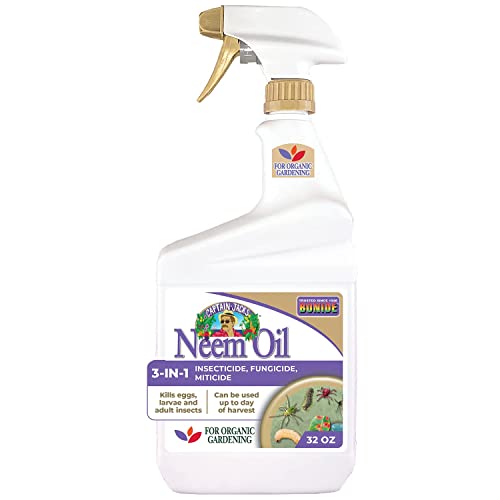
Best for: Indoor gardeners seeking a comprehensive, organic-friendly spray that covers both pests and fungal issues. This product is a three-in-one fungicide, miticide, and insecticide, making it a versatile choice for mixed problems in houseplants and edible containers.
Why selected: It is ready to use and convenient for immediate application, with a spray nozzle that helps reach undersides of leaves. Neem oil disrupts insect life cycles and reduces fungal infections, addressing two common plant concerns in one product.
Limitations: Neem oil can be slower to show visible effects on heavier infestations and may cause minor leaf sensitivity on some plant varieties if applied too frequently or under high heat. Avoid spraying during peak sun to prevent leaf burn.
BioAdvanced Houseplant Insect and Mite Control Spray

Best for: Indoor plant owners who want a single spray that tackles both insects and mites while also providing disease protection. Suitable for beginners and hobbyists managing multiple plant species in one space.
Why selected: The formula targets a broad range of pests including aphids, whiteflies, lace bugs, and mites, and includes disease control against powdery mildew and other conditions. It’s a ready-to-use option that reduces the need for multiple sprays.
Limitations: Indirect effects rely on contact; thoroughCoverage is essential for effective control. Test on sensitive plants first to ensure there is no phytotoxic reaction.
Earth’s Ally 3-in-1 Plant Spray

Best for: Gardeners seeking an organic, ready-to-use spray with a natural oil blend that addresses pests and diseases without synthetic ingredients.
Why selected: The formula combines essential oils to deliver insecticidal, miticidal, and fungicidal action. It’s particularly attractive for those growing edible plants or children’s spaces where chemical exposure should be minimized.
Limitations: Botanical oil sprays can have a stronger aroma and may require more frequent reapplication in humid environments. Effects on certain pests may vary by infestation level.
Miracle-Gro Plant Care Leaf Protect and Shine (8 oz, 2-Pack)
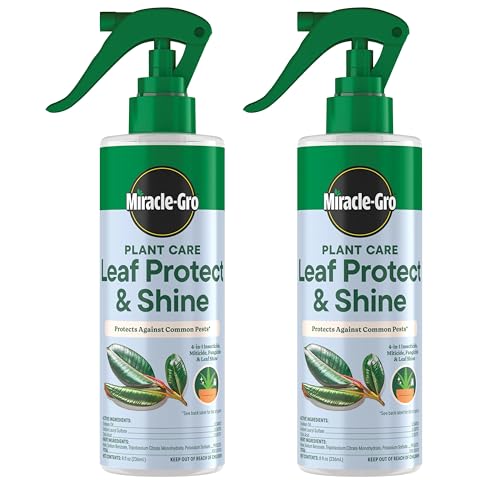
Best for: Indoor gardeners who want a multi-benefit spray that not only protects against pests and disease but also adds a visual shine to leaves.
Why selected: This is a multi-function product that covers pest control and fungicidal action while enhancing plant aesthetics. It’s useful for decorative houseplants where appearance matters as much as health.
Limitations: The product includes a shine component, which may be undesirable for matte-leaf varieties. Avoid overuse on plants sensitive to oils that could leave a residue.
Trifecta Crop Control Spray
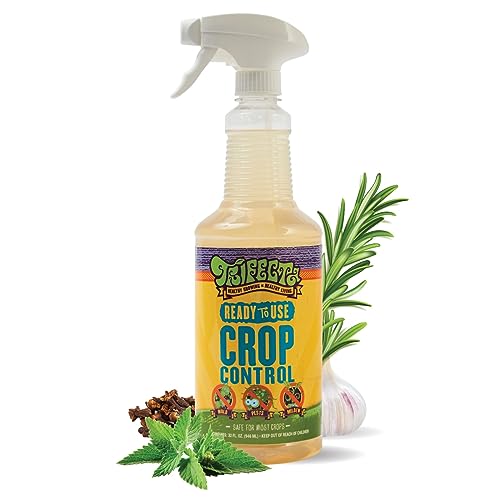
Best for: Indoor and outdoor users seeking a plant-based, eco-friendly pesticide that tackles spider mites, powdery mildew, and other pests without chemical residues.
Why selected: It emphasizes safe, biodegradable ingredients and is suitable for edible crops. The product is designed to operate as a broad-spectrum solution with low environmental impact, appealing to organic gardeners.
Limitations: Being plant-based, it may require more frequent applications depending on pest pressure and environmental conditions. Always test on a few leaves first.
Bonide Insecticidal Soap for Plants
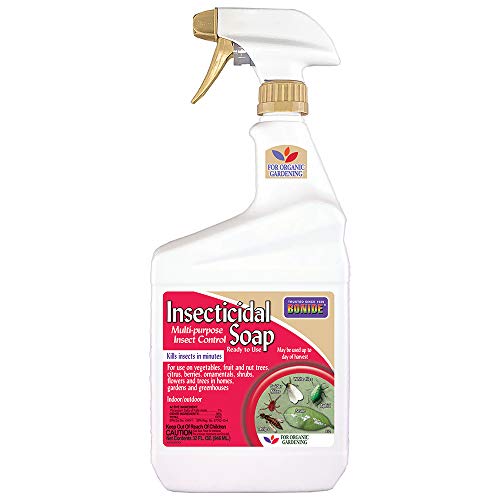
Best for: Indoor gardeners seeking a direct-contact insect control option for a wide range of soft-bodied pests on a variety of houseplants and outdoor ornamentals.
Why selected: Insecticidal soap is a staple for gentle, immediate action against aphids, mites, and other pests through contact and ingestion. It’s a good option for sensitive plants when used as directed.
Limitations: Effectiveness depends on thorough coverage; some pests sheltered on the undersides of leaves may require multiple applications. Avoid applying during extreme sun to reduce leaf burn.
Natria Neem Oil Spray for Gardening

Best for: Houseplant enthusiasts who want a ready-to-use neem oil option with disease-control capabilities for routine care.
Why selected: This product combines insecticidal and fungicidal properties in one spray and requires no mixing, making it convenient for regular maintenance of indoor plants.
Limitations: Neem oil can leave a temporary residue on leaves and may cause minor spotting on sensitive foliage if applied in bright light or heat. Test on new plants first.
Buying Guide: Key Purchase Considerations
What pests are you targeting? Identify whether you need insecticide, miticide, fungicide, or a combination. For mixed problems, multi-action products (three-in-one) offer convenience and broader coverage.
Ready-to-use vs. concentrate: Ready-to-use sprays are simpler for quick, on-demand use, ideal for beginners. Concentrates can be more economical but require mixing and careful handling.
Indoor suitability: Look for products specifically labeled for indoor or indoor/outdoor use to minimize risk to people, pets, and houseplants.
Plant sensitivity: Some sprays contain essential oils or oils that can cause leaf burn or residue. Always test on a small leaf area before broad application and follow label directions regarding heat and light exposure.
Safety and sustainability: Opt for botanicals or plant-based formulas when possible, especially in homes with children or pets. Consider eco-friendly options that reduce chemical residues and support safe indoor environments.
Application frequency: Pests vary in life cycle. Some products require repeat applications to target eggs or hidden stages. Balance the need for control with the plant’s tolerance for repeated spraying.
FAQ
- How often should I spray houseplants with neem oil?
Typically every 7-14 days as part of a regular routine, and after heavy pest sightings. Avoid spraying during peak sun for sensitive plants.
- Can I use these sprays on edible houseplants?
Yes if labeled for edible crops. Follow all label directions and rinse produce if required before harvest.
- Are there risks to beneficial insects indoors?
Most products are targeted to pests; however, avoid spraying flowering plants when pollinators are active, and use thorough, spot treatments when possible.
- Should I alternate products?
Alternating with different modes of action can prevent pest resistance. Start with a product labeled for the problem and rotate if pests persist.
- What should I do if foliage shows signs of burn after application?
Rinse leaves with water and adjust the spray schedule. Reduce concentration or frequency and apply during cooler parts of the day.
- Is there a safe option for pet occupants?
Choose products labeled for indoor use and pet safety, and ensure sprays dry completely before allowing pets back into treated areas.