Growing chili peppers indoors can yield spicy harvests year-round, even in compact spaces. This guide highlights five reliable options that suit indoor growing, container setups, and window-sill gardens. Each selection features seeds or live plants with clear growth traits, heat levels, and cultivation notes to help you choose what fits your space and cooking needs.
Summary of selected products
| Product | Brand | Type | Key Benefit |
|---|---|---|---|
| KVITER 75 Birds Eye Chili Pepper Seeds | KVITER | Seeds | High-yield, compact bushes; 50K-100K SHU |
| Seeds Decorative Pepper Masquerad Ornamental | Graffiti GRDN | Seeds | Multicolor ornamental peppers; edible but very hot |
| Serrano Pepper Plants Live | ELLA’S HOMES | Live plants | Two plants per pot; indoor/outdoor versatility |
| Chiltepin Pepper Plants Live | ELLA’S HOMES | Live plants | Small, very hot peppers; container friendly |
| White Habanero Chili Pepper Grow Kit | Magic Plant | Grow kit | All-in-one kit; high heat; indoor year-round |
KVITER 75 Birds Eye Chili Pepper Seeds
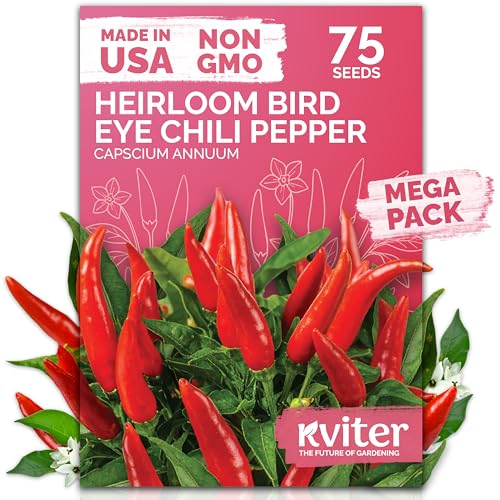
KVITER’s Birds Eye Chili seeds are designed for compact growth with high yields, making them a practical choice for indoor gardeners. Germination can begin in as little as 7-14 days when soil temperatures sit around 75-85°F, with germination success reportedly reaching up to 95%. The resulting plants typically stay relatively small—about 12–18 inches tall with similar spread—ideal for pots, raised beds, or balcony containers. The peppers mature to a fiery red and range from 50,000 to 100,000 SHU, delivering significant heat for sauces, salsas, and spicy dishes. This variety is well-suited to enthusiasts who want a dependable, hot pepper crop without sprawling vines.
Growing notes: Use organic seeds in a sunny indoor location or a warm outdoor bed to maximize germination. Harvesting should be done at full color for best flavor and heat. Consider starting seeds indoors and transplanting after frost if you’re extending the growing season. The seeds’ compact habit also makes them a good candidate for container culture, patios, or small garden beds where space is at a premium.
Seeds Decorative Pepper Masquerad Ornamental

The ornamental pepper option from Graffiti GRDN offers a playful, multicolor pepper display that can liven up indoor spaces. Although these peppers are edible, their heat level is typically high, and the variety is often treated more as an ornamental feature than a primary cooking pepper. The color progression—purple to orange to red—provides visual interest as the plants mature. This choice is ideal for container gardens, hanging baskets, or balcony planters where aesthetics are as important as flavor. While the peppers are edible, most cooks simply enjoy the visual display before harvest.
Growing notes: These seeds are best grown in containers or small beds and enjoy bright light. Because color progression varies by plant, expect staggered color changes and harvests. They respond well to regular watering and well-draining soil. For indoor setups, placing the pot near a sunny window or under a grow light yields the strongest color development.
Bonnie Plants Jalapeno Live Plants

This option offers established Jalapeno plants, one of the most widely grown hot peppers in American kitchens. Bonnie Plants provides a 4-pack of live peppers that typically reach 24–48 inches in height, with peppers maturing to about 3 inches in length. The variety sits in the medium heat range, roughly 2,500 to 5,000 SHU, making it approachable for everyday cooking. Non-GMO and widely available, Jalapeno peppers are versatile for fresh salsas, fajitas, and stuffed pepper recipes. The live plant form can shorten the timeline from seed to harvest when you want quicker yields indoors or on a patio.
Growing notes: Jalapenos thrive in full sun, but you can grow them indoors with a strong grow light setup. Ensure consistent watering and well-drained soil to minimize issues like blossom end rot. Pruning can help maintain a compact shape in containers while encouraging bushier growth and higher fruit production. Regular feeding with a balanced fertilizer supports steady fruiting.
Thai Chili Pepper Seeds For Planting

Survival Garden Seeds offers Bird’s Eye Thai chili pepper seeds known for heat and compact growth. These heirloom, non-GMO seeds produce dense, high-yielding plants suited for small spaces and container gardens. They germinate in 7–14 days, provided the soil is warm, and a frost-free transplant is feasible for extended seasons. Thai chilies typically deliver 50,000–100,000 SHU, making them extremely hot and desirable for spicy dishes. The plants stay moderately compact, which is advantageous for indoor plans or balcony setups while still providing abundant harvests for sizzling sauces and flavor boosters.
Growing notes: For indoor success, provide bright light and stable temperatures. Start seeds indoors, transplant after the last frost, and use a heat-tolerant soil mix. Harvest when the peppers turn bright red for maximum heat and flavor. Container-friendly varieties like these often benefit from regular pruning to promote air circulation and prevent disease in confined spaces.
Serrano Pepper Plants Live

Serrano peppers are a favorite for fresh eating and cooking, delivering a medium-to-hot bite that sits between jalapeño and cayenne in heat. The Ella’s Homes live plant option includes two Serrano plants per pot, offering a quick-start approach for indoor gardens. These peppers mature quickly, usually producing fruit that is well-suited for salsas, pico de gallo, and hot sauces. The plants can adapt to both indoor and outdoor environments, provided they receive adequate light, warmth, and moisture. Container placement near a sunny window can help maximize yields without requiring a full outdoor garden space.
Growing notes: Serrano peppers prefer consistent moisture and well-drained soil. Fertilize regularly and prune if necessary to maintain a manageable size in pots. Harvest when green peppers reach their expected size and then let them ripen on the vine to their red color for richer flavors and heat.
Buying Guide: Key Purchase Considerations
- Space and setup: For indoor growing, prioritize compact varieties or live plants with container-friendly growth habits. Seeded options are versatile but require more start-to-h harvest time, whereas live plants offer quicker yields.
- Heat level and culinary goals: If you cook spicy dishes, options in the 50,000–100,000 SHU range (Bird’s Eye Thai, Chiltepin family, or Black Cobra variants) deliver more heat. For milder cooking, Jalapenos and Serranos provide balance.
- Germination and growth speed: Seed-based choices vary in germination time and transplant readiness; ready-to-grow live plants reduce setup complexity but may not match seed-grown flavor intensity if not treated similarly.
- Container compatibility: Most listed varieties can thrive in 12–18 inch pots with proper soil, drainage, and sun exposure. For very small spaces, ornamentals can add color without demanding heavy maintenance.
- Maintenance: Regular watering, sunlight, and occasional feeding with a balanced fertilizer support steady fruit production. Pruning helps keep indoor peppers compact and productive.
- Ornamental vs. edible: If visual appeal is important, multicolor ornamental peppers offer striking color changes but are typically grown more for display than everyday cooking.
The selections above present a mix of seeds and live plants suited for indoor chili pepper cultivation. By aligning your space, heat preference, and time-to-harvest goals, you can create a productive indoor pepper garden with a variety of flavors—from bright citrusy heat to deep, smoky spice. Each option is documented with growth traits to help you plan a year-round pepper harvest inside your home or apartment.