Horticultural charcoal, also known as biochar or activated charcoal, can improve drainage, nutrient retention, and soil aeration. Selecting the right product depends on your plant types, container setup, and desired soil texture. Below are five well-regarded options useful for indoor plants, terrariums, orchids, bonsai, and general garden soil. Each entry includes a quick look at size, usage, and standout features to help you compare at a glance.
| Product | Brand | Capacity | Key Benefit |
|---|---|---|---|
| Legigo 2 QT Horticultural Charcoal | Legigo | 2 qt | Great for moisture control and root health in small pots |
| Char Bliss (8 Qts) | PlantOnix | 8 qts | Excellent nutrient retention and carbon sequestration |
| Legigo 4QT All Natural Horticultural Charcoal | Legigo | 4 qt | Balanced size for terrariums and moderately sized pots |
| Horticultural Charcoal by Perfect Plants – 4 qts | Perfect Plants | 4 qt | Natural filtration and drainage support |
| Harris Horticultural Charcoal, 2qt | HARRIS | 2 qt | Easy mix with standard potting soil |
The following sections highlight each product with an accessible overview, then a buying guide to help you pick the right option for your setup. All product information reflects typical usage for soil amendments, potting mixes, terrariums, and plant care scenarios.
Legigo 2 QT Horticultural Charcoal
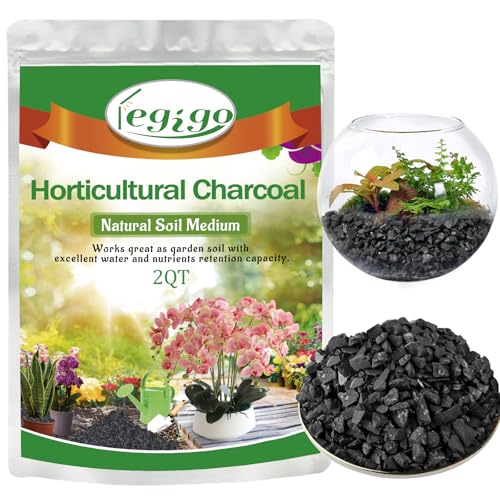
Legigo’s 2-quart allotment provides a lightweight soil amendment ideal for containers with limited space. The charcoal is described as natural hardwood, designed to improve drainage and prevent soil compaction around roots. It is suitable for orchid, bonsai, succulent soils, and general houseplant mixes. The product’s particle size targets 3-7 mm, which blends well without creating a heavy, dense medium. The charcoal’s heat-absorbing properties can help balance soil temperature, potentially aiding seed germination and root health. It’s positioned as easy to mix into existing soils, promoting aeration and reducing overwatering risks for potted plants.
Char Bliss (8 Qts) — Organic Biochar For Plants

PlantOnix Char Bliss is an organic biochar soil conditioner sourced from wood and tree trimmings. As a larger 8-quart bag, it emphasizes nutrient retention, soil fertility, and water-holding capacity, while contributing to carbon sequestration. The biochar acts like a nutrient sponge, reducing loss from watering and fertilizer runoff, making it well-suited for container gardens, potting mixes, and indoor plants. The product aligns with sustainable gardening practices by helping to mitigate climate impact through long-term carbon storage in soil.
Legigo 4QT All Natural Horticultural Charcoal

This Legigo option comes in a larger 4-quart container, featuring the same natural hardwood charcoal philosophy with a 3-7 mm particle size. It’s designed to drain excess moisture and prevent soil compaction, supporting healthy root growth in bonsai soil, succulents, and terrariums. The larger quantity makes it suitable for medium-sized pots or terrariums where ongoing soil conditioning is desired. Like other Legigo products, it emphasizes improved aeration and temperature balance for seed germination and root development.
Horticultural Charcoal by Perfect Plants — 4 Qt
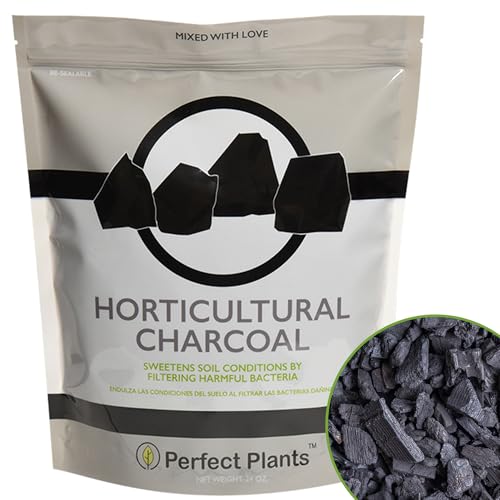
Perfect Plants markets a 4-quart bag of horticultural charcoal noted for drainage support, toxin flushing, and odor filtration. The porosity of horticultural charcoal helps drain excess moisture, while its adsorptive properties can absorb unwanted nutrients that may contribute to root stress. This option is positioned as a natural filter for terrariums and potted plants, offering a balance between moisture management and soil conditioning. It is suitable for both indoor and outdoor applications, particularly in containers lacking good drainage or where soil quality needs improvement.
Harris Horticultural Charcoal — 2 Qt
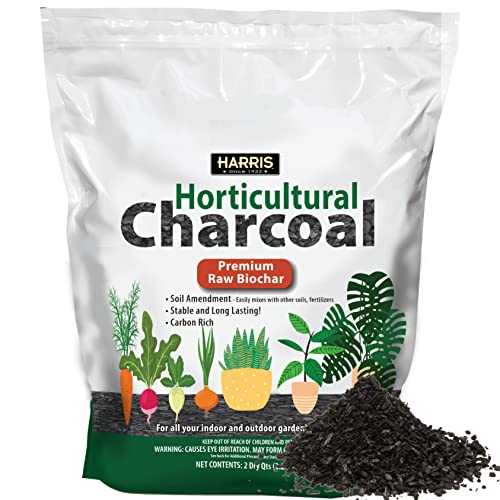
HARRIS offers a 2-quart option that aims to simplify mixing with standard potting soil. Its emphasis is on increasing soil carbon content, enhancing nutrient availability, and boosting water retention while supporting beneficial microbial life. The product is described as naturally derived from hardwoods and agricultural residues, aligning with common greenhouse and home gardening practices. Its straightforward usage makes it a practical choice for gardeners seeking a low-effort soil amendment that still provides multiple soil health benefits.
Buying Guide: Key Considerations When Choosing Horticultural Charcoal
- Particle size and texture: Smaller particles (around 3-7 mm) promote better mixing in potting soil and terrariums, while larger sizes may be preferred for certain aeration needs or top-dressing.
- Source and processing: Hardwood-based charcoal is common for horticultural use because it tends to be inert and clean. Activated or specially processed charcoal can have higher porosity, which affects drainage and nutrient retention.
- Moisture management: Charcoal’s porosity aids drainage, but some products emphasize moisture retention as well. Consider your plant type and potting environment when prioritizing drainage vs. moisture-holding capacity.
- Nutrient interaction: Biochar and horticultural charcoal can adsorb nutrients; some blends promote nutrient retention, while others are designed to release nutrients slowly. Match with your fertilizer plan.
- Application scope: For terrariums and bonsai, smaller, well-mixed amounts may be ideal. For larger containers or garden beds, larger quantities or multi-quart bags may be more cost-effective.
- Certifications and safety: If you’re growing edible crops or herbs, OMRI-listed products may be preferable. Read product labels for any added additives or processing notes.
- Cost and value: Compare price-per-quart or price-per-pound, factoring in the size of your project and the frequency of soil amendments you expect to perform.
When integrating horticultural charcoal into a soil mix, a common approach is to blend 5-20% charcoal by volume with potting soil, perlite, or other aeration components. For terrariums and enclosed environments, start with smaller amounts to monitor moisture and plant response before expanding usage. Always rinse or pre-wash charcoal if it contains fine dust or odors, and follow package guidelines for the best results with your specific plant groups.