Answering the practical need for effective, pesticide-free horse fly control, these ball-style traps use Catch EM’ coatings and odorless formulas to reduce biting insects around yards, barns, and pastures. This guide highlights five top options best suited for horse owners, equestrian facilities, and anyone seeking a kid- and pet-safe solution. Each pick prioritizes ease of use, weather resistance, and clear coverage guidance. Read on to compare capabilities and determine which trap aligns with your space, budget, and insect pressure.
| Product | Best For | Key Benefit |
|---|---|---|
| Bug Ball Starter Kit | Medium yards, residential properties with horses | Includes two Bug Balls and Catch EM’ for flexible, eco-friendly trap setup |
| Mysora 2 Pack Inflatable Fly Trap Balls | Barns, stables, or gardens with variable weather | Weather-resistant PVC with glue-ready setup and no electricity needed |
| Bug Ball Deer Fly Ball Deluxe Kit | Areas with high deer fly activity | Deluxe kit with multiple traps and Catch EM’ coating |
| Bug Ball Replacement Kit | Existing Bug Ball users seeking extra traps | Extra traps and needles to expand coverage |
| osseph 6 PCS Fly Traps Ball | Indoor or outdoor mixed environments; multi-room control | Six-pack, 360-degree sticky design for broad coverage |
Bug Ball Starter Kit Overview
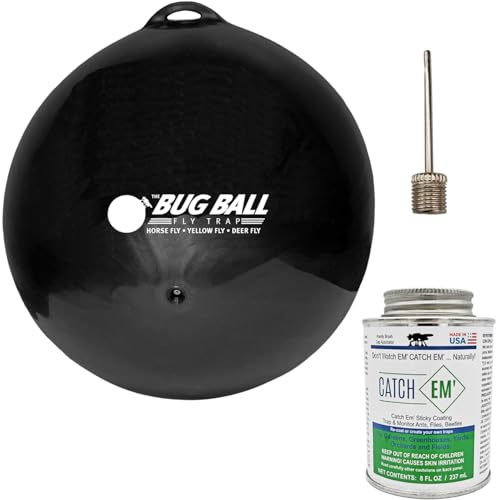
The Bug Ball Starter Kit includes two heavy-duty black PVC Bug Balls, an 8-ounce Catch EM’ spray-on sticky coating, and two inflation needles. It takes 2-3 Bug Balls to cover approximately one acre and targets yellow flies, horse flies, deer flies, greenhead flies, and other biting insects. The kit is designed to work with Catch EM’ and is safe for use around children and pets. Best for: homeowners or horse owners who want a ready-to-deploy starter solution with an eco-friendly sticky coating. Caution: Ensure outdoor use follows local guidelines and avoid overflow near water sources.
Mysora Fly Trap Balls – Budget Kit

The Mysora 2 Pack Inflatable Fly Trap Balls come with two PVC trap balls and an air pump. Designed to work with a sticky coating (glue not included), these traps capture black flies, yellow flies, greenhead flies, and other biting insects. They require no electricity, making them suitable for barns, gardens, and outdoor setups. Best for: users seeking a simple, portable, wind-resistant option for outdoor spaces. Limitation: Glue coating is sold separately, so plan for additional purchase.
Bug Ball Deer Fly Ball Deluxe Kit

The Deer Fly Ball Deluxe Kit includes three Deer Fly Balls, three inflation needles, and a Catch EM’ spray-on sticky coating. Coverage estimates indicate 2-3 Balls per acre to reduce deer flies, horse flies, stable flies, and other biting insects. Best for: properties with known deer fly pressure and a need for multiple traps per acre. Caution: Ensure proper placement away from direct wind corridors to maximize effectiveness.
Bug Ball Replacement Kit

The Replacement Kit provides two Bug Balls and two inflation needles. It supports the standard coverage of 2-3 Bug Balls per acre and is designed to work with Catch EM’ sticky coating (sold separately). Best for: extending a current trap setup or replacing worn components. Caution: Coating is sold separately, so account for additional purchase when scaling coverage.
Bug Ball Replacement Ball – 3 Pack
The 3 Pack Replacement Ball option includes three Bug Balls and three inflation needles. Coverage remains 2-3 balls per acre, compatible with Catch EM’. Best for: households needing a bulk replacement option to maintain consistent insect control. Limitation: Glue or coating must be purchased separately to activate trapping.
osseph 6 PCS Fly Traps Ball

The osseph pack features six fly-trap balls designed for indoor and outdoor use. Each trap ball uses a spherical design with 360-degree coverage and a visually appealing color to attract flies. They rely on high-adhesion glue and are non-toxic, bait-free, and odorless. Best for: spaces needing broad, multi-point coverage with minimal setup. Limitation: Glue-based systems may require periodic replacement if exposure to heavy rains or direct sun reduces stickiness.
Buying Guide: Key Purchase Considerations
- Target pests: Identify if your area has deer flies, horse flies, yellow flies, greenhead flies, or other biting insects to choose the most effective trap type.
- Coverage needs: Estimate acres and the number of traps required (2-3 traps per acre is a common rule) to avoid gaps in protection.
- Coating and maintenance: Many kits rely on Catch EM’ sticky coating sold separately. Consider whether you prefer ready-to-use coatings or buying components separately.
- Placement strategy: For best results, place traps away from direct wind paths, near problem areas like gates, feeding zones, and barn entrances.
- Safety and practicality: All items listed are designed to be kid- and pet-safe when used as directed; ensure proper storage and handling of coatings.
- Weather resilience: If you operate in regions with heavy rain or sun, prioritize weather-resistant PVC or material that maintains adhesion under varying conditions.
- Future scalability: If insect pressure fluctuates seasonally, choose a kit that allows expanding coverage with additional traps or replacement balls.
Frequently Asked Questions
- What is Catch EM’ and why is it used with these traps?
Catch EM’ is an odorless sticky coating that helps capture biting insects when applied to the traps. It eliminates the need for pesticides and electricity in trapping insects.
- How many traps do I need per acre?
A typical guideline is 2-3 traps per acre, but this depends on insect pressure and trap placement.
- Are these traps safe for children and pets?
Yes, when used as directed, these traps with Catch EM’ coatings are designed to be safe around children and pets.
- Can I replace worn parts or expand my setup later?
Yes, many kits offer replacement balls, needles, and additional units to scale coverage as needed.
- Do these traps require electricity or batteries?
Most options are electricity-free and rely on sticky coatings or passive trapping mechanisms.
- What should I consider when choosing between a 2-pack vs a 6-pack?
Consider your square footage, the number of problem zones, and whether you expect to expand coverage in the future.