Discover the best honey bee trap boxes designed to capture swarms, protect structures, and support beekeeping operations. This guide highlights top options, who they’re best for, and practical considerations to help you choose. Whether you’re a hobbyist, a professional swarm trapper, or a tree-strap setup enthusiast, these boxes offer reliable swarm-catching performance and durable construction.
Buyer Snapshot: Quick comparisons of the top five selected products
| Product | Best For | |
|---|---|---|
| The Interceptor Pro Complete Kit | Professional swarm trappers and advanced hobbyists | Assembled with frames, foundation, lure, beeswax coating, tree strap; designed to maximize swarm captures |
| Little Larue Fully Assembled Swarm Trap | Langstroth-style beekeeping, easy hang-and-use | Langstroth-compatible, fully assembled, durable wooden construction, ready to hang |
| The Interceptor Pro No Frames (Unassembled) | DIY setups and rapid construction | Clear assembly in about 10 minutes, tree strap & hooks included |
| Benefitbee 5-Frame Swarm Catcher | Professional-grade swarm capture, flexible frame compatibility | Universal frame compatibility, large internal volume, multi-purpose one-box solution |
| The Interceptor Pro Lot Of 5 | Bulk swarm capture for multiple sites | Multiple unassembled units, includes tree straps and nails, designed for high captures |
The Interceptor Pro Complete Kit

The Interceptor Pro Complete Kit is a ready-to-use swarm trap designed for serious swarm catching. It includes frames, foundation, lure, and a REAL beeswax coating to aid acceptance by scouting bees. A tree strap and hooks are included for quick outdoor installation. This kit is best for professionals or dedicated hobbyists who want a turnkey solution that minimizes setup time and maximizes capture potential.
Best for: Professional swarm trappers and advanced beekeepers who prioritize proven transfer efficiency and a guided assembly experience. Why selected: The integrated frames, foundation, and beeswax coating create an optimized environment that helps scouts recognize a new home, improving transfer rates to a hive after capture. The included instructions support accurate assembly and deployment.
Caution: If you are new to swarm trapping, anticipate a learning curve with installing lure and positioning the box for optimal bee flow. Ensure you have a safe mounting location and follow local regulations for hive placement.
Little Larue Fully Assembled Swarm Trap
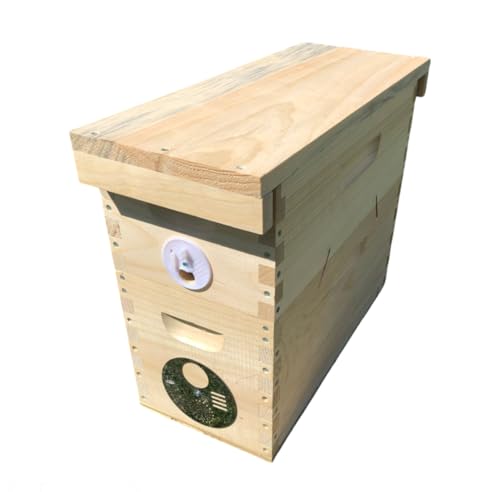
Little Larue Apiary’s 5/Frame Swarm Trap is fully assembled and ready to hang, designed to resemble Langstroth hive dimensions. It emphasizes ease of use and fast deployment while providing a durable wooden build intended for repeated seasonal use. The product is a strong option for hobbyists seeking a ready-to-deploy unit that works with common Langstroth equipment.
Best for: Beekeepers who want immediate deployment without assembly and who operate in Langstroth-style systems. Why selected: Its Langstroth-compatible design reduces recognition barriers for scout bees and streamlines the transition to a permanent hive. The inclusion of a hanger makes installation simple at tree or post locations.
Caution: The model ships without frames, so users must provide their own frames if required for a specific setup or season. This may affect compatibility with certain existing hives or organizational preferences.
THE INTERCEPTOR PRO No Frames (Unassembled)

This unassembled option from The Interceptor Pro is designed for quick 10-minute assembly and easy swarm transfers to hives. It is targeted at experienced trappers who prefer to customize parts or use their own frame setups. The kit includes a tree strap and hooks for outdoor mounting.
Best for: Beekeepers who want fast assembly flexibility and the ability to integrate their preferred frame system. Why selected: The emphasis on efficient swarm transfer and clear assembly instructions make it a practical choice for professionals who value modularity and rapid deployment.
Caution: The lack of frames means you must supply compatible frames if you want to use this box with existing equipment. Ensure your setup aligns with your hive dimensions and local regulations.
Benefitbee 5-Frame Swarm Catcher

Benefitbee offers a high-capacity swarm catcher with universal frame compatibility, designed to fit Langstroth, Dadant, UK, and National frames. Its 5-frame and 48L internal volume support robust capture and flexible use as a temporary swarm transfer box or backup hive. The design emphasizes scientific space for scout bees and practical, tool-free operation for quick changes between uses.
Best for: Professional swarming operations and multi-frame beekeeping needs where versatility matters. Why selected: The universal compatibility and large internal volume address a wide range of frame systems, while a professional-grade design supports higher capture success and adaptable use cases.
Caution: While the tool-free operation is convenient, verify that your preferred frame system is compatible with the sliding mounting design before purchase.
THE INTERCEPTOR PRO Lot Of 5 Swarm Traps

This wholesale pack includes five no-frames, unassembled swarm traps with tree straps and nails. It is intended for users who manage multiple trap sites or who want to scale up swarm-capture capabilities. The traps share the same design DNA as the Interceptor Pro line, emphasizing clear transfer procedures and reliable performance for larger operations.
Best for: Operators running several trap sites or seasonal campaigns needing bulk coverage. Why selected: A cost-effective way to expand swarm-catching capacity across different locations while maintaining consistent design and performance expectations.
Caution: Bulk purchases require storage space and synchronized deployment planning to maximize swarm capture across multiple sites.
Buying Guide: Key Purchase Considerations
How to choose a honey bee swarm trap box that fits your operation:
- Frame compatibility: If you already use Langstroth, Dadant, UK, or National frames, consider universal or Langstroth-compatible models to ensure smooth transitions and easy frame management.
- Assembly requirements: Ready-to-use, assembled traps save setup time. Unassembled options offer customization but require more time to deploy.
- Capacity and internal volume: Larger interiors support more scouts and potentially higher capture rates for bigger swarms. Consider your typical swarm size and local species behavior.
- Materials and weather resistance: Durable wood with protective finishes withstands outdoor conditions and repeated seasonal use. Check for hardware quality and assembly durability.
- Ease of deployment: Tree straps, hooks, and lightweight designs simplify installation in trees, posts, or yard perimeters. Ensure your chosen location aligns with local regulations and safety guidelines.
- Tracking and maintenance: Consider how easily you can monitor occupancy and manage transfers to established hives. Boxes designed for easy swarm transfer reduce handling stress on bees.
Frequently Asked Questions
- What is the primary purpose of a honey bee swarm trap box?
To attract, capture, and relocate scout bees from swarms into a hive or artificial home, aiding swarm management and colony establishment.
- Are assembled traps better than unassembled options?
Depends on your priorities. Assembled traps save time and reduce setup work, while unassembled traps offer customization and flexibility for specific frame systems.
- Which features improve swarm capture rates?
Elements like frames, foundation, lure components, and beeswax coatings can improve acceptance and transfer while robust construction reduces weather-related damage.
- Can I use a swarm trap as a temporary hive?
Some traps are designed for temporary use and can serve as transfer boxes or backup hives if appropriately managed, but verify with local beekeeping guidelines.
- How many traps should I deploy at a site?
For larger swarming operations, multiple traps increase exposure and capture chances. Start with 2–3 at a single site and expand as needed.
- What maintenance is required after a capture?
Inspect for wear, clean lure residues, and ensure safe hive transfer processes. Replace damaged components and maintain weatherproofing.