Answering your soil questions starts with simple, at‑home testing. This guide highlights five reliable soil testing kits and meters that suit common garden needs—from quick pH checks to multi‑parameter nutrient insights. Best for DIY gardeners, homeowners tending lawns, vegetable beds, and container gardens, these picks help you tailor fertilization and soil care. Below, compare what each tool offers, who it’s best for, and practical buying considerations.
| Product | Best For | Key Benefit |
|---|---|---|
| Rapitest Soil Test Kit | Budget-conscious gardeners; multi-spot testing | Quick at‑home results for pH, N, P, K with color comparators |
| MySoil Soil Test Kit | Lawn & garden projects needing lab‑level insight | 13 plant‑available nutrients; tailored recommendations |
| AKSBTEC 4‑in‑1 Kit | Beginner to intermediate gardeners | 40 tests; simple color‑chart method for pH, N, P, K |
| Leaping Lynx Complete Soil Test Kit | Seasonal growers; thorough monitoring | 100+ tests for ongoing soil health tracking |
| IRTOV 4‑in‑1 Meter | All‑in‑one device for quick checks | Soil pH, moisture, temperature, and light in one readout |
Rapitest Soil Test Kit For Gardens

Brand: Luster Leaf. Features include a quick at‑home test that covers soil pH, nitrogen, phosphorus, and potash. The kit uses an easy‑to‑use capsule system and patented color comparators. It contains all components needed for 20 tests (5 for each variable) and is designed to test multiple spots in a yard or garden.
Best for: Homeowners and hobby gardeners who want a simple, affordable way to monitor multiple soil variables across several plant beds without professional lab work.
Caution: Results depend on following the color charts precisely; uneven sample mixing can affect accuracy. Best used as a regular screening tool rather than a definitive lab readout.
MySoil Soil Test Kit
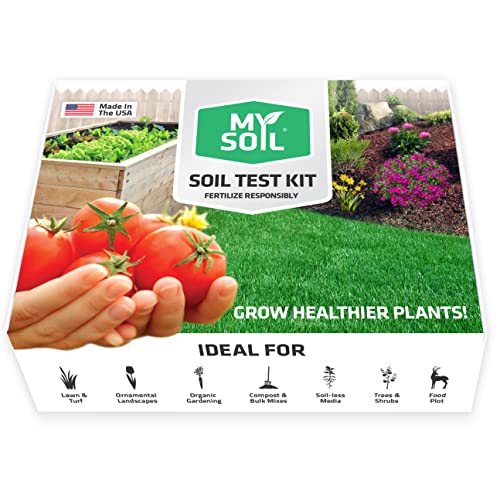
Brand: My Soil. This kit provides fast and accurate nutrient and pH analysis with tailored recommendations. It tests 13 plant‑available nutrients and pH, with results delivered in 6–8 days through a professional lab analysis.
Best for: Gardeners seeking lab‑quality nutrient insights and specific, science‑based fertilizer guidance for lawns, vegetables, and ornamentals.
Caution: Not a quick at‑home read; requires mail‑in processing time and cannot replace immediate, same‑day decisions in a fast‑moving growing season.
Soil pH Paper Test Kit – 100 Strips

Brand: Dewilde Trading Co. Features include 100 strips covering pH 3.5–9 with a simple dip method and a color comparison chart. This is a cost‑effective option for broad testing across lawns, gardens, and indoor plants.
Best for: Budget buyers who need scalable, quick pH checks for multiple garden zones or containers.
Caution: Color interpretation can vary by lighting; ensure consistent light when reading strips for best accuracy.
SONKIR Soil pH Meter MS02

Brand: SONKIR. This 3‑in‑1 tool measures soil moisture, pH, and sunlight. It is battery‑free and designed for quick on‑site checks, making it convenient for frequent soil monitoring and plant care decisions.
Best for: Gardeners who want a no‑fuss, all‑in‑one device for ongoing plant care across in‑ground beds or pots.
Caution: Jumps in readings can occur if soil is too dry; water before testing to ensure accuracy, and readings may be less precise than lab analysis for some crops.
Soil Test Kit – 140 Tests

Brand: Dewilde Trading Co. Features include a comprehensive analysis of pH, ammonia, nitrogen, phosphorus, and potassium with 140 tests total. This kit emphasizes customized fertilizer recommendations and broad applicability for lawns, gardens, and hydroponics.
Best for: Serious hobbyists or small‑scale professionals who need a thorough, multi‑parameter kit for frequent soil checks.
Caution: More components mean a steeper learning curve; ensure you follow the color charts closely to avoid misinterpretation.
AKSBTEC 4‑in‑1 Soil Test Kit

Brand: AKSBTEC. This kit measures pH, nitrogen, phosphorus, and potassium with 40 tests (10 per element). It uses a simple color chart and is aimed at both beginners and experienced gardeners seeking a full soil profile.
Best for: Gardeners who want a complete view of soil fertility in a single kit without paying for professional lab work.
Caution: While designed for ease, color interpretation can vary; compare multiple spots to ensure representative results.
Leaping Lynx Complete Soil Test Kit

Brand: Leaping Lynx. This kit offers 100+ tests, providing a robust set for ongoing soil monitoring across lawns, beds, and containers. It emphasizes a comprehensive, long‑term testing approach.
Best for: Gardeners planning regular soil monitoring and incremental improvements over a growing season.
Caution: The large number of tests may be more than necessary for casual gardeners; prioritize fewer tests if quick decisions are needed.
Buying Guide
What should you test first?
Begin with soil pH and key nutrients like nitrogen, phosphorus, and potassium. pH dictates nutrient availability; even soil with adequate nutrients can starve plants if pH is off. Choose a kit that covers these basics if you are new to soil testing.
Which kit fits your garden type?
Lawn and large beds: look for multi‑test kits with good coverage (N, P, K, pH) and stability across spots. Container gardens may benefit from quick, portable meters or strips you can test frequently.
Laboratory vs. at‑home tests
Professional or mail‑in lab analysis (like MySoil) offers detailed nutrient profiles and plant‑specific recommendations but takes several days. At‑home kits provide rapid results to guide immediate actions, with varying degrees of precision. Use a mix when possible: quick checks for routine care and periodic lab analysis for deep planning.
Ease of use and interpretation
Consider how comfortable you are with color charts, dip strips, or digital readouts. Meters with LCD displays reduce interpretation error, while color‑chart kits rely on consistent lighting for accurate color matching.
Cost and frequency
Smaller kits are affordable for occasional testing; larger kits with many tests are cost‑effective for frequent testing across multiple zones. If you test monthly, a kit offering the most tests per dollar is appealing.
What about accuracy and reproducibility?
For best results, test multiple spots in a single area and follow the provided instructions precisely. Temperature and soil moisture at sampling can influence readings, so adjust sampling conditions when possible.
Maintenance and storage
Keep color charts and reagents in a dry, cool place. Ensure strips are sealed and not past their stated shelf life to maintain accuracy for future tests.
FAQ
- Q: Do I need all five tests at once? A: No. Start with pH and a few key nutrients. Add more tests if you manage larger areas or want deeper insights.
- Q: How often should I test my soil? A: For established gardens, test once or twice per year; test after major changes or extreme weather conditions.
- Q: Can I rely on at‑home kits for edible crops? A: Use them as a baseline; consider professional lab analysis for high‑value vegetable crops requiring precise nutrition.
- Q: Are color‑chart tests accurate? A: They are reliable for screening purposes when followed carefully, but lighting and sample handling can affect readings.
- Q: What’s the difference between quick tests and lab tests? A: Quick tests provide fast guidance; lab tests offer detailed nutrient breakdown and tailored recommendations.
- Q: Should I test soil moisture separately? A: It’s helpful for plant health, but many multi‑function readers include moisture as a companion metric.