Erosion control relies on soil-stabilizing materials that can blend into landscapes while promoting seed germination and vegetation cover. The following products emphasize natural fibers like straw, pine straw, jute, and excelsior, plus engineered blankets that use these materials to slow water flow and hold soil in place. This guide highlights five practical options commonly used in lawns, slopes, and new landscaping projects. Each choice balances biodegradability, effectiveness, and ease of installation for American landscapes.
Summary of chosen products
| Product | Material | Typical Use | Biodegradability |
|---|---|---|---|
| American Excelsior QuickGrass Pro | Excelsior fiber with netting | Erosion control blankets for slopes and disturbed areas | Biodegradable |
| Straw/Coconut Erosion Control Blanket | 70% straw, 30% coconut fiber | Temporary blanket for erosion control in landscape beds | Biodegradable |
| Straw Wattle | Straw fiber, wattles for runoff control | Perimeter protection, slope stabilization | Biodegradable/Reusable components |
| Colored Pine Straw Hay Roll | Pine straw (Coastal Bermuda hay roll) | Mulching and erosion control on slopes and beds | Natural organic material |
| Jute Erosion Control Fabric (Soil Saver) | Jute fabric | Soil protection and sediment control | Biodegradable |
Farm Plastic Supply American Excelsior QuickGrass Pro Blanket
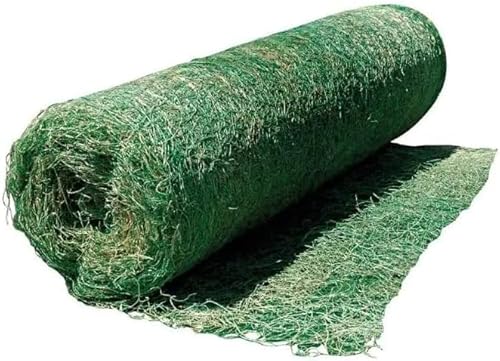
Overview and key features: This erosion control blanket uses 100% biodegradable excelsior fibers, with a photo-degradable or biodegradable netting on top. It safeguards topsoil against water and wind erosion and fosters an ideal environment for seed germination. Wet, curled excelsior fibers create a robust matrix with natural swelling, enhancing soil stabilization. The product’s versatility extends across landscaping, road projects, and various developments, serving contractors and homeowners alike.
Design and performance considerations: The blanket’s natural composition supports seed retention and soil moisture while avoiding chemical additives. It’s well-suited for seeded restorations where revegetation is a goal. Installation typically involves unrolling over prepared ground and anchoring with staples or stakes. Because it’s biodegradable, it requires follow-up vegetation to provide long-term stabilization as the mat slowly decomposes.
Jute Erosion Control, Soil Saver Mesh Blanket
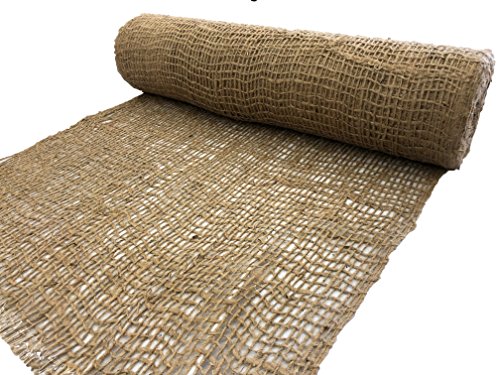
Overview and key features: This product uses premium jute to deliver natural erosion control. The wide 48-inch blanket covers approximately 240 square feet, providing extensive soil protection against wind and water. Jute’s biodegradable nature makes it an environmentally friendly option for landscapes, gardens, and slope stabilization. It acts as a shield against sedimentation while blending into the natural environment as it gradually decomposes.
Design and performance considerations: Jute erosion blankets are favored for projects where quick establishment of vegetation is desired. They require proper anchoring to prevent displacement by wind or heavy rain. The fabric’s natural decomposition rate aligns with plant growth, reducing the need for removal after stabilization.
Farm Plastic Supply 100% Biodegradable Straw/Coconut Erosion Control Blanket

Overview and key features: This blanket combines 70% agricultural wheat straw with 30% coconut fiber, all held together by a biodegradable brown poly net. Both the material and netting are fully biodegradable, designed for temporary use with a 90-day biodegradation horizon. The product is offered in an 8′ x 112.5′ footprint, intended for broader erosion control coverage in landscapes and gardens.
Design and performance considerations: The straw-coconut mix provides a lightweight, broke-friendly solution that supports seedling germination and soil moisture retention. Its quick degradation makes it suitable for short- to mid-term stabilization where permanent vegetation will eventually take over the slope or bed.
Farm Plastic Supply 100% Biodegradable Straw/Coconut Erosion Control Blanket (5′ x 112.5′)
Overview and key features: Similar to the 8-foot version, this blanket features 70% straw and 30% coconut fiber, wrapped in a biodegradable net. It is designed for temporary stabilization while vegetation establishes, with a slightly narrower width that can fit tighter spaces or smaller projects. The product emphasizes biodegradability and ease of disposal after use.
Design and performance considerations: Best suited for areas with lighter to moderate erosion where seed establishment is a priority. Proper anchoring and site preparation are essential to maximize effectiveness over the product’s use window, after which natural cover will sustain soil integrity.
Colored Pine Straw Premium for Erosion Control

Overview and key features: This product presents 100% natural Coastal Bermuda hay rolls, marketed for erosion control, mulch, composting, and animal bedding. Pine straw is valued for its light weight, natural appearance, and moisture retention qualities. It provides temporary ground cover that protects delicate seeds and soils while allowing water infiltration. It’s also suitable for garden beds and landscape beds that benefit from wind and water erosion reduction.
Design and performance considerations: Pine straw is easy to spread and manage, offering a quick, aesthetic option for slopes and bed lines. It decomposes slowly, contributing to soil structure as it breaks down. It does not form an impermeable layer, which helps seedling roots reach moisture and nutrients beneath the cover.
Farm Plastic Supply Straw Wattle

Overview and key features: Straw wattles provide erosion control on slopes and channels, reducing runoff velocity and trapping sediment. They offer a longer functional life than some blankets, with a reported 2-year protection window in erosion-prone areas and up to 4-6 years of potential reuse depending on conditions. Wattles can be placed along perimeters or along vulnerable sections to slow flow and encourage vegetation establishment.
Design and performance considerations: Wattles are effective for temporary slope protection and are relatively easy to install or reposition. They work best where sediment capture and filtration are priorities, and they pair well with seedings and mulched areas for long-term stabilization.
Buying Guide: Key Considerations For Erosion-Control Materials
Material choice matters for performance, environmental impact, and maintenance. Here are factors to weigh when selecting hay- and fiber-based erosion-control products:
- Biodegradability and timeline: If you want soil stabilization while avoiding a long-term material, choose blends that biodegrade within a growing season or a few months. For longer-term stabilization, consider wattles or blankets with longer service life.
- Soil and seed compatibility: Some products are designed to work with seed germination, while others prioritize immediate erosion reduction. Match the product to your seed mix and irrigation plan.
- Site conditions: Steeper slopes, wind exposure, and water velocity affect product performance. Slopes with heavy rainfall may benefit from blankets or wattles that trap sediment effectively.
- Installation and maintenance: Consider ease of installation, required anchoring, and whether the material will need to be checked after storms. Some products require reseeding or reapplication after seasonal cycles.
- Environmental impact: Natural materials like straw, coconut fiber, pine straw, and jute are generally preferred for minimal ecological disruption and straightforward compostability.
- Cost and availability: Availability varies regionally; for large projects, consider bulk options and shipping implications. Reusability can also influence long-term costs.
In summary, the blend of natural fibers and engineered blankets offers multiple pathways to effective erosion control. For rapid seed establishment and soil protection, Excelsior and straw-based blankets provide dependable performance. Pine straw and jute options offer natural aesthetics and strong environmental compatibility, while straw wattles deliver flexible, long-lasting runoff control. When planning, assess your slope, soil, climate, and planting schedule to select the most appropriate solution.