This guide helps buyers find the best hand forks for gardening based on durability, grip comfort, and ease of use. Ideal for small plots, containers, borders, and raised beds, these tools are best for small-to-midscale tasks like weeding, loosening soil, transplanting, and mulch spreading. The top picks below are chosen for soil types, handle comfort, and rust resistance. The buyer types most served by these picks include hobby gardeners, urban growers, and those who want ergonomic, durable hand tools that reduce fatigue during long weeding sessions.
Summary of selected products:
- Garden Hand Fork, Haliaeetus — best for removing large weeds with deep reach.
- Garden Guru Stainless Steel Hand Weeder Fork — best for rust resistance and delicate transplanting.
- Owlett Garden Hand Fork — best for versatile tasks and comfortable epoxy-coated carbon steel.
- FITOOL Stainless Steel Garden Fork — best for durability and mirror-polished steel finish.
- Berry&Bird Gardening Hand Fork — best for long-lasting traditional design and easy soil penetration.
Garden Hand Fork, Haliaeetus

Best for uprooting large weeds in moist soil. This three-prong fork digs deeply under weeds for extra reach and leverage, making root removal easier. The sharp tines are designed to break through compacted soil and loosen roots for quick extraction. A wooden handle provides natural shock absorption and reduces wrist strain. Caution: performance benefits are most noticeable in moist soil after rainfall; very dry, hard ground may require more effort.
homeowners maintaining flower beds or vegetable patches with dense weed growth; gardeners who battle stubborn large weeds.
Garden Guru Stainless Steel Hand Weeder Fork

Best for rust resistance and precision around small stems. This fork features durable stainless steel tines and an ergonomic handle, designed to penetrate soil with ease while resisting rust. The tool offers good maneuverability around delicate plants, making it suitable for transplanting and mulching tasks. A caution: stainless steel tines may be heavier than aluminum alternatives, which can affect fatigue over long sessions for some users.
Who it’s for: gardeners who value longevity and corrosion resistance; those doing frequent transplanting or mulching tasks in beds and borders.
Owlett Garden Hand Fork

Best for versatility and comfortable grip. This carbon steel hand fork has an epoxy coating to resist rust and keep soil from sticking to the tines. The three-prong design penetrates hard soil and lifts weeds without harming nearby plants. An ergonomic, soft-touch handle reduces hand fatigue during extended use. Caution: epoxy-coated finish can chip if smashed on rocks; use with moderate force to maintain coating integrity.
Who it’s for: gardeners who need a multipurpose tool for weeding, soil turning, and bed preparation; those who maintain mixed planting spaces and containers.
Stainless Steel Garden Fork/Weeder 3T 12-Inch — FITOOL
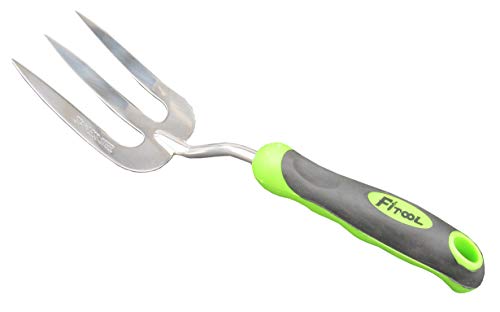
Best for durability and a clean finish. The tool uses a tempered stainless steel body with mirror polishing for corrosion resistance and long-lasting sharpness. It features a soft dual-color ergonomic handle for a secure grip and comfortable control. Caution: heavier stainless steel may be slower to maneuver in very dense soil; best used with steady, deliberate motions.
Who it’s for: gardeners who want a premium-looking, corrosion-resistant hand fork for regular use and easy storage thanks to built-in hanging holes.
Berry&Bird Gardening Hand Fork — Stainless Steel with Ash Wood Handle

Best for a traditional design and comfortable grip. This stainless steel hand fork uses an ash wood handle for a classic feel and solid balance. It performs well for weeding, digging, and cultivating in pots and borders. The ergonomic shape helps reduce fatigue during longer tasks. Caution: longer handles may be less suitable for very tight spaces; consider shorter models for narrow beds.
Who it’s for: gardeners who prefer a timeless tool design and a natural wooden handle with solid balance for routine weeding and soil work.
Buying Guide: Key Purchase Considerations
What material should I choose?
Stainless steel forks resist rust and are easy to clean, ideal for frequent use and harsher soils. Carbon steel forks are typically tougher and more affordable but may require more maintenance against rust.
How important is the handle?
Ergonomic handles reduce hand and wrist fatigue. Wood handles offer natural shock absorption, while rubberized or dual-material grips provide slip resistance in wet conditions. Consider your grip size and whether you’ll work in damp soil.
What about the tines?
Three-prong designs balance digging depth with control, making root removal easier without damaging nearby plants. Durable, sharp tines ensure easier penetration and longer life in rocky or compacted soil.
What size should I look for?
For borders and containers, a compact hand fork with a 7–12 inch length is typical. Long-handled variants (not in this core set) offer extended reach for standing work, reducing knee and back strain.
Is weight a factor?
Lighter forks are easier for quick tasks; heavier forks can provide leverage in dense soil but may cause fatigue in long sessions. Balance weight with durability for your soil type and scale of work.
What about maintenance?
After use, clean soil off the tines and dry to prevent rust. For steel forks, occasional oiling or dry storage helps preserve the finish. For wooden handles, keep them dry to prevent cracks and check for looseness in the joint.
Practical comparison snapshot
- Best for heavy-duty weed uprooting: Garden Hand Fork (Haliaeetus).
- Best for rust resistance and precise transplanting: Garden Guru Stainless Steel Hand Weeder.
- Best for versatile tasks across beds: Owlett Garden Hand Fork.
- Best premium look and durability: FITOOL Stainless Steel Garden Fork.
- Best traditional design with wood handle: Berry&Bird Stainless Steel Hand Fork.
Frequently Asked Questions
- What is the main difference between carbon steel and stainless steel hand forks?
Carbon steel forks are typically tougher and lighter but require more maintenance to resist rust. Stainless steel forks resist corrosion and typically stay cleaner in damp soil but can be heavier and more expensive.
- Are long-handled forks always better for gardening?
Long-handled forks reduce bending and kneeling but are not needed for small beds or containers. Choose based on your preferred posture and space constraints.
- Should I choose a fork with a wooden handle or a rubber grip?
Wooden handles offer a natural shock-absorbent feel and traditional look. Rubber grips provide slip resistance and comfort in wet conditions. Personal preference and weather conditions matter.
- Can a hand fork help with composting?
Yes. A three-prong design helps turn compost and aerate the mix, improving breakdown and drainage in compost heaps and bins.
- What maintenance steps extend the life of a hand fork?
Clean soil after use, dry thoroughly, and store in a dry place. For metal forks, apply a light oil to prevent rust. For wooden handles, avoid prolonged exposure to moisture and check for looseness.
- Is a lighter fork better for beginners?
Yes. A lighter tool is easier for new gardeners to control, especially for tasks like weeding and loosening soil in small beds.