Best growing hormones for plants help new cuttings develop roots faster and establish themselves with less stress. This guide highlights five top rooting products, showing who each is best for and why. Whether you’re propagating houseplants, ornamentals, or trees, these options cover a range of strengths, formulas, and application methods to fit your propagation goals.
Quick product snapshot
| Product | Best For | Form | Notes |
|---|---|---|---|
| Garden Safe TakeRoot Rooting Hormone | Home gardeners and greenhouse hobbyists | Powder | Indole-3-butyric acid (IBA); easy cut-end dipping |
| Houseplant Prop Drops | Water and soil propagation lovers | Liquid | Seaweed extract and humic acid; gentle yet effective |
| Hormex Rooting Powder #16 | Difficult cuttings and hardwoods | Powder | High IBA strength; versatile across types |
| Doff Hormone Rooting Powder | General purpose rooting | Powder | Powder formulation with growth hormones |
| Hormex Rooting Powder #3 | Common houseplants and softwood cuttings | Powder | Moderate IBA; reliable starter option |
Garden Safe TakeRoot Rooting Hormone, 2 Count
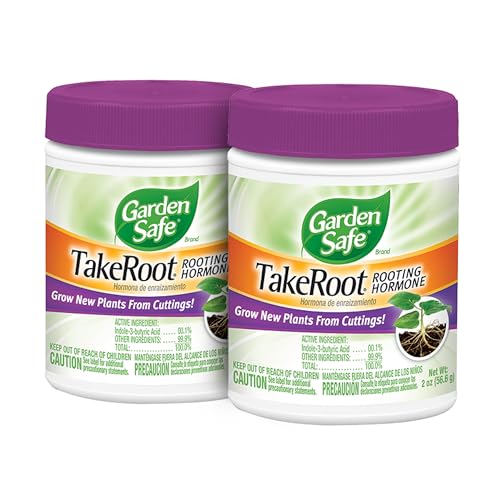
Best for simple home propagation tasks, Garden Safe TakeRoot Rooting Hormone is a powder coagulated with indole-3-butyric acid (IBA). The product is designed to help cuttings produce roots reliably in typical home and greenhouse environments. It is especially suitable for gardeners who prefer a straightforward dipping method for cut ends, with quick setup and predictable rooting results. Best for beginners and hobbyists who propagate a wide range of common garden varieties.
Who this is for: new plant growers or hobbyists who want a dependable, low-muss approach to rooting cuttings. Why selected: powder formulation with familiar IBA content and simple application steps (moisten, dip, tap off excess, plant).
Caution: avoid over-dipping; remove excess hormone to prevent overly vigorous or abnormal root growth in sensitive species.
Houseplant Prop Drops – Propagation Promoter

This liquid rooting stimulant is designed for both water and soil propagation, offering a gentle yet effective boost to root development. The formula uses seaweed extract and humic acid to nourish developing roots and reduce transplant shock. It is a strong option for a wide range of indoor and outdoor plants, including fiddle leaf figs, pothos, and Monsteras. Best for those who prefer a liquid, non-powder product and want versatility across propagation methods.
Best for: indoor plant lovers who propagate in water or soil and want a natural-sounding blend that emphasizes root health and vitality. Why selected: it’s easy to use, shelf-stable, and comes with a plant care guide. Caution: liquid formulas can require more precise dosing in smaller containers; follow the included directions to avoid over- or under-concentration.
Hormex Rooting Powder #16 (1.60% IBA)

High-strength rooting powder intended for difficult hardwood cuttings and robust species. With 1.6% IBA, this product targets faster root initiation in challenging plant materials. It is a strong choice for propagating ornamentals, fruiting varieties, medicinal plants, and trees where standard strength powders may underperform. Best for experienced propagators or those dealing with stubborn cuttings.
Who this is for: experienced gardeners handling hardwood and hard-to-root cuttings. Why selected: higher IBA concentration increases rooting success in tough materials. Limitation: stronger formulations may be less forgiving on delicate or newly pruned cuttings, requiring careful handling.
Doff Hormone Rooting Powder Plant and Cuttings
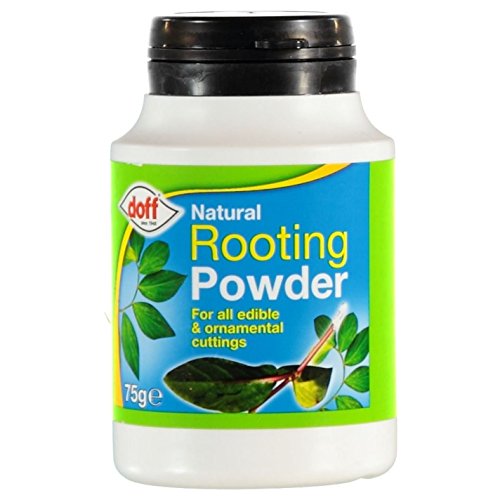
Doff’s rooting powder provides an everyday rooting solution for a variety of cuttings. The powder format simplifies the dipping process and aims to promote strong, healthy roots across common plant types. It is a practical choice for general propagation tasks and everyday gardening needs.
Best for: gardeners who want a straightforward, reliable rooting powder for routine propagation. Why selected: affordable and versatile for many cuttings. Caution: as with all powders, avoid creating a powder cloud; apply evenly to the cut end to prevent uneven rooting or powder waste.
Hormex Rooting Powder #3 (0.30% IBA)

Moderate-strength rooting powder suited for common houseplants and softwood cuttings. With 0.3% IBA, it provides a balanced option that supports root formation without being overly aggressive. This is a reliable starter product for beginners who are propagating a wide range of houseplants and garden varieties.
Best for: beginners and garden enthusiasts propagating softwood cuttings. Why selected: dependable performance at a moderate IBA level, with broad compatibility. Caution: not ideal for very hard-to-root hardwoods where higher strength products may be more effective.
Hormex Rooting Hormone Concentrate With B1

This liquid concentrate combines rooting hormone benefits with a vitamin B1 boost to support healthier transplants and faster root establishment. It is designed to work across soil, coco coir, and hydroponic setups, benefiting a broad spectrum of plants such as vegetables, ornamentals, trees, and fruiting varieties. Best for: propagation and transplanting environments that require quick establishment and resilience. Why selected: versatility across growing media and plant types; beneficial for transplant stress reduction. Caution: ensure proper dilution and dose to avoid potential nutrient imbalances in sensitive species.
Buying Guide: How To Choose The Right Plant Rooting Hormone
- Propagation method: Powder formulas work well for dipping cut ends before planting in soil or medium. Liquid formulas are often easier for water propagation or for dosing directly into hydroponic systems. Choose based on your preferred method.
- Plant type: Delicate softwood cuttings usually respond to milder formulas (lower IBA), while hardwood cuttings or stubborn species may require higher strengths. Consider whether you are dealing with houseplants, ornamentals, fruit trees, or herbs.
- Medium compatibility: Some concentrates and liquids are designed to work across soil, coco, rockwool, or hydroponics. If you grow in multiple media, a versatile product or a concentrate that matches both setups is advantageous.
- Strength of IBA: IBA percentages vary (0.1%, 0.3%, 0.8%, 1.6%). Lower strengths are safer for beginners; higher strengths can improve rooting success for difficult cuttings but require careful handling.
- Form factor: Powder is precise for dipping cut ends; liquids are forgiving and easy to mix with watering schedules. Consider your comfort with measuring and application technique.
- : Some products offer extended shelf life or storage stability in common home environments. This feature is helpful for infrequent propagators who want reliable results over time.
- : Prefer products labeled for houseplants or edible plants if you plan to propagate vegetables or fruits. Always follow label directions to avoid phytotoxic effects or over-application.
Frequently Asked Questions
- What is a rooting hormone and why use it? A rooting hormone contains plant growth regulators (often IBA) that encourage root initiation and growth on cuttings, helping them establish more reliably in new media.
- Can I use multiple rooting products at once? It’s generally not recommended to mix products. Use one product per propagation project and follow label instructions for application and timing.
- Is powder better than liquid rooting hormone? It depends on your propagation method. Powders are precise for dipping cut ends; liquids are versatile for water propagation and dilution into watering regimes.
- Are these products safe for edible plants? Many rooting hormones are formulated for general garden use, but check the label if you plan to propagate edible herbs or vegetables. Choose products explicitly labeled for edible plants when in doubt.
- How long does rooting take? Rooting times vary by plant type and environment. Some cuttings form roots in a few days to a couple of weeks; high humidity and stable warmth typically help.
- What are signs of over-application? Indicators include excessive root curling, abnormal growth, or dehydration symptoms around the cutting. If observed, reduce or stop use and reassess the environment.