Selecting the right grow stones can improve drainage, aeration, and overall root health for potted plants, hydroponics, and ornamentals. This guide highlights five reliable options, drawing from popular Amazon listings, to help you choose media that matches your plant type and setup. Read on for practical insights, product details, and a quick buying guide to compare their key features.
| Product | Brand | Type | Best For | Notes |
|---|---|---|---|---|
| Boniosz 2 Liters Leca Pebbles | Boniosz | Expanded Clay Pebbles | Hydroponics, orchids, aquaponics | Porous, good water reservoir, reusable |
| Pumice Stone Grow Media – Cz Garden | Cz Garden Supply | Pumice | Organic growing, soil amendment | OMRI Listed, pH-stable |
| Pumice Stone Grow Media – Cz Garden (Another Size) | Cz Garden Supply | Pumice | Organic growing, soil amendment | Ph-neutral, ideal particle size for larger pots |
| Clay Pebbles Gardening Ceramsite – TOYPOPOR | TOYPOPOR | Ceramsite Clay Pellets | Drainage, hydroponics, aquaponics | Lightweight, porous, decorative |
| Expanded Clay Pebbles – Doter (2 qt) | Doter | Expanded Clay Pebbles | Hydroponics, drainage | Natural, breathable, nutrient reservoir |
Boniosz 2 Liters Leca Expanded Clay Pebbles
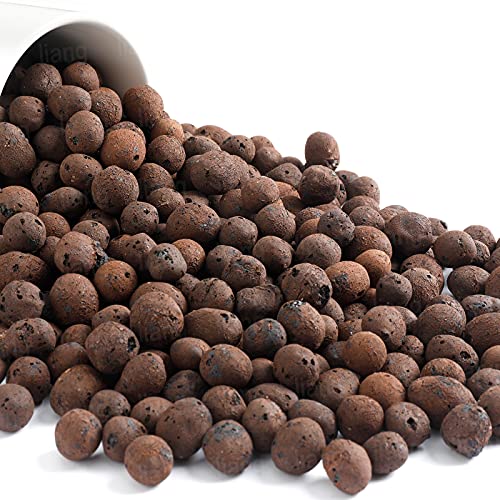
Boniosz Leca pebbles feature a porous surface and interior that boost aeration while acting as a water reservoir for healthy root growth. The 10-18 mm size is ideal for small to medium pots and garden plants. The material is lightweight and designed to withstand handling; it expands under kiln processing to form a honeycombed interior with a tough exterior, enabling reuse after cleaning. These pebbles support hydroponics, orchids, and aquatic systems by maintaining drainage without compacting the root zone.
Pumice Stone Grow Media – Cz Garden Supply

This Cz Garden pumice is OMRI Listed and marketed as an all-natural, inert, pH-neutral soil amendment. It helps prevent soil compaction while providing excellent aeration and drainage, making it suitable for organic growing. The product is free from phosphates, urea, and asbestos, aligning with organic horticulture principles. It’s offered in particle sizes appropriate for larger pots and for use as a base or top layer to improve root health and moisture management.
Pumice Stone Grow Media – Cz Garden (Alternative Size)

Another Cz Garden pumice variant emphasizes natural, ph-stable properties suitable for organic setups. Its 3/8″ average particle size is aimed at larger containers, bonsai, succulents, orchids, and seedlings. The material’s porous structure promotes drainage and aeration, helping to prevent root problems and encourage stable root systems across diverse plant types.
Clay Pebbles Gardening Ceramsite – TOYPOPOR
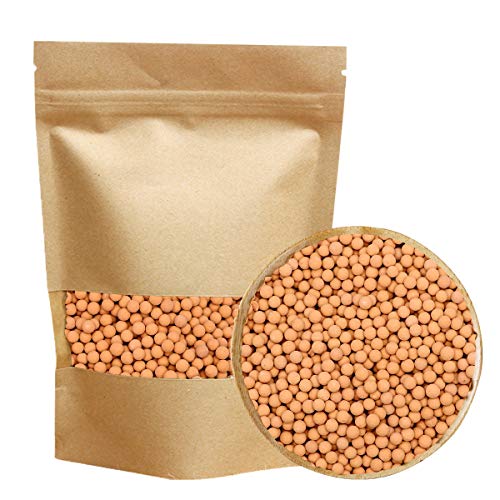
TOYPOPOR ceramsite clay pellets are kiln-fired to create tough, lightweight balls with a balanced capillary action. They function well as a drain layer at pot bottoms to keep drainage open and improve pot breathability. The porous structure aids in moisture management and root development, making them a solid choice for hydroponic setups, aquaponics, and ornamental gardens where robust drainage is essential.
Expanded Clay Pebbles – Doter

Doter expanded clay pebbles combine natural clay with high-temperature expansion to create durable, breathable media. Their porous structure supports hydroponics, drainage, and nutrient storage, while remaining lightweight and reusable after cleaning. This media is well-suited for a variety of plants, including high-moisture lovers, orchids, and ornamental species that require steady drainage and aeration.
Buying Guide: Key Purchase Considerations
- Material type: Decide between expanded clay, pumice, or ceramsite based on your plant type and growing system. Expanded clay offers strong drainage and water storage; pumice is inert and pH-stable; ceramsite balances drainage with moisture retention.
- Particle size: Smaller media work well in compact pots and beading-based hydroponics, while larger sizes suit bigger pots and bonsai. Ensure the size matches your pot diameter to prevent compaction and ensure root access to air.
- Organic compatibility: If you practice organic gardening, prioritize OMRI-listed pumice or media described as ph-neutral and inert to minimize chemical interference with soil amendments.
- Reusability and cleaning: Some media are more durable and reusable after cleaning, reducing ongoing costs. Consider ease of washing and potential residue left behind after use.
- Drainage vs. moisture balance: Media that hold more water can be beneficial for moisture-loving plants but may risk root rot if overused. Choose media that align with your watering schedule and plant needs.
- Environment and safety: Look for materials free of phosphates, urea, and asbestos when possible. Certification like OMRI can be a helpful indicator for organic setups.
- Aesthetics: Some media are decorative on pot surfaces and can contribute to the overall look of terrariums, planters, or displays, in addition to providing functionality.