Choosing the right grow light for cacti helps maintain healthy growth, vibrant color, and compact forms. The following selections emphasize full-spectrum LEDs, adjustable brightness, and reliable timers to support succulents and other drought-tolerant species indoors. The list focuses on fixtures that clip, clamp, or stand securely near pots, delivering steady light without overheating delicate cactus tissue.
| Product | Brand | Light Type | Adjustability | Timer/Automation |
|---|---|---|---|---|
| SANSI Grow Lights for Indoor Plants | SANSI | Full spectrum LED with clip-on design | 6-inch gooseneck, adjustable clamp | Auto On/Off 3 6 12 hrs timer |
| Juhefa Grow Light for Indoor Plants | Juhefa | 6000K full spectrum LED | Gooseneck, adjustable positioning | Auto On/Off with 5 levels dimming |
| 4-Head Desk Grow Lights for Indoor Plants (GroCruiser) | GroCruiser | Full-spectrum 36W desk lamps (4 heads) | Adjustable heads and stand | Military-grade timer (4/8/12 hours) |
| EWPJDK Grow Light 6500K | EWPJDK | 84 LED full spectrum clip light | Flexible clamp with gooseneck | Auto On/Off 3/9/12 hours |
| Kullsinss Grow Lights | Kullsinss | Halo full-spectrum with detachable base | Height adjustable; two install methods | Automatic timer 3H, 9H, 12H |
Below are five carefully selected options most suitable for cacti and other sun-loving houseplants. Each product section explains how it supports compact growth, root health, and even light distribution for succulents.
SANSI Pot Clip LED Grow Light

The SANSI grow light offers a compact clip-on design suitable for small pots and desks. Its 5W output gives about 35.78 μmol/s/㎡ of growing power at 6 inches, which supports steady photosynthesis for cacti and other succulents without excessive heat. A 4000K natural daylight color reduces glare and eye strain while staying unobtrusive in living spaces. The gooseneck clamp enables flexible positioning around plant tops, stems, and even shelves, making it easy to fine-tune the light angle for multiple plant scenarios.
Key features include: ceramic technology for efficient power conversion, low heat output, 360° adjustability, and a timer option to automate daily on/off cycles. Best used for individual pots or small clusters where space is limited and precise light direction matters.
Juhefa Grow Light for Indoor Plants
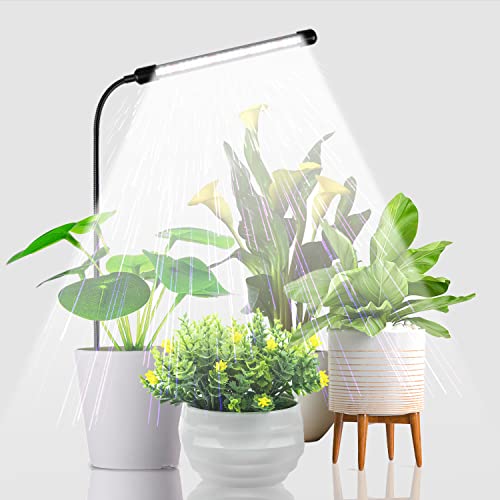
The Juhefa fixture delivers full-spectrum 6000K daylight with 40 white and 8 red LEDs, designed to optimize photosynthesis for succulents, herbs, and seed starting. A high CRI of up to 95% helps render plant color accurately, which can assist in monitoring health in cacti with subtle color changes. The lamp features a 5-level dimming control for customizing brightness and a 1-pack configuration that’s ideal for single plants or a small collection on a shelf or desk. It includes a gooseneck for precise angle adjustments to accommodate varied cactus shapes.
GroCruiser 4-Head Desk Grow Lights

This 4-head desk setup provides robust illumination with 36W of true output. The 168 premium LEDs deliver strong, even light ideal for compact cactus clusters, seed starting, and bonsai. The full-spectrum range, from 3000K to 6000K, simulates natural sunlight while reducing eye strain for nearby observers. A smart auto-scheduler offers 4/8/12-hour cycles, helping maintain consistent day-length patterns for plant health, even during long workdays or short vacations. The design emphasizes eye comfort and plant coverage across multiple pots or shelves.
EWPJDK Grow Light 6500K Full Spectrum

The EWPJDK light uses a 74 white LED plus 10 red LED configuration to deliver a 6500K full spectrum that mirrors noonday sun. The light is described as soft and flicker-free, making it suitable for extended exposure near cacti without stressing them. An auto on/off timer supports 3/9/12-hour cycles for dependable daily lighting, while the clip and gooseneck design enable easy positioning on desks or plant stands. The flexible clamp helps secure the lamp in tight spaces with adjustable angles for varied cactus shapes.
Kullsinss Grow Lights for Indoor Plants

The Kullsinss halo light features a detachable base and height-adjustable design, allowing flexible mounting on desks or shelves. It provides a full-spectrum range from 380 nm to 760 nm across 48 high-efficiency diodes, suitable for all growth stages of small plants, including cacti. The device includes five dimmable levels and three spectral modes (white, warm white, red) plus an automatic timer with 3/9/12-hour options. The base detachment option offers a choice between stabilizing on a surface or inserting near the soil for direct root zone light engagement.
Buying Guide: Key Considerations For Choosing Grow Lights For Cacti
Light spectrum: Cacti generally thrive with full-spectrum light that includes blue and red wavelengths. Look for lights labeled full spectrum or with a balanced mix (around 4000K-6500K). For compact setups, 3,000K to 6,000K ranges provide growth and color maintenance.
Brightness and coverage: Consider photosynthetic photon flux density (PPFD) at the typical distance from light to plant canopy. Smaller clip-on and desk lights work well for single plants, while multi-head fixtures better cover clusters or shelves. Ensure the light can reach the top leaves without overheating the plant base.
Adjustability: Gooseneck or adjustable arms help aim light precisely onto cactus pads and stems. Height-adjustable bases or detachable supports increase versatility for different pot sizes and plant heights.
Timers and automation: Auto on/off timers simplify care for busy periods, vacations, or workdays. Options include 3/6/12-hour cycles and memory settings that resume after power interruptions.
Power and heat: Look for energy-efficient LEDs that generate minimal heat at the plant level. Excess heat can stress cacti, especially in small terrariums or cramped spaces.
Durability and installation: Clip-on or clamp-on designs should fit your pot size and be steady enough to avoid tipping. Consider whether you need a standalone stand or a detachable base for stability on a desk or shelf.
Price and value: Compare features such as spectrum, dimming, and timer availability relative to price. A higher upfront cost may offer longer-term savings through efficiency and better plant health.