Choosing the right grow light for a tent can transform a small indoor garden. The following selections focus on efficiency, spectrum balance, heat management, and ease of use for seed starting, vegetative growth, and blooming. Each option below is optimized for common tent sizes like 2×2 or 3×3, offering strong PAR output and reliable longevity. Use this guide to compare performance, energy use, and installation simplicity across premium LED fixtures.
Summary of Selected Products
| Product | Brand | Power (W) | Coverage (approx.) | Key Benefit |
|---|---|---|---|---|
| VIPARSPECTRA P700 | VIPARSPECTRA | 70 | 2×2 ft | Compact, full spectrum, low heat |
| VIPARSPECTRA P1000 | VIPARSPECTRA | 100 | 2.5×2.5 ft | High PAR, efficient, quiet |
| Spider Farmer SF1000 | Spider Farmer | 100 | 2×2 ft | Samsung LM301H EVO, deep penetration |
| GooingTop LED Grow Light | GooingTop | ~10x | Small to mid tents | Budget-friendly, adjustable spectrum |
| MARS HYDRO TS1000 | MARS HYDRO | 150 (consumes ~150W) | 2×2 to 3×3 ft | High efficiency, reflective hood |
VIPARSPECTRA P700 Grow Light

The P700 is designed for seedling and vegetative stages within a compact footprint. It delivers 11,000 lumens, approximating the output of a traditional 150W HPS/MH while consuming only 70W, making it energy-efficient for a 2×2 ft area. Its spectrum combines 660nm red with white light at 3000K and 5000K to simulate natural sunlight. The absence of a fan plus large aluminum heat sinks means lower noise and better heat dissipation, helping extend fixture life in enclosed tent environments. Ideal for small tents and starter trays.
Key features include a diode layout optimized for young plants and a high-performance LED driver. The unit provides solid seedling vigor and steady vegetative growth without overheating, which can be a concern in enclosed spaces. While performance is strong for its size, larger tents or flowering cycles may benefit from a higher wattage model. Overall, the P700 is a practical entry point for growers prioritizing compact form and quiet operation.
VIPARSPECTRA P1000 LED Grow Light

The P1000 is a step up in power for more robust growth across seed starting, vegetative, and flowering stages. It features a revised diode layout and a low-energy driver for high PAR output, delivering performance comparable to traditional 250W HPS/MH systems while drawing around 100W. White light is balanced with 660nm red and 3000K/5000K spectra, with a 730nm far-red component for improved flowering response. Heat management relies on solid aluminum heat sinks with a silent design to minimize tent heat buildup. Suitable for 2.5×2.5 ft vegetative coverage and 2×2 ft flowering coverage when adjusted correctly.
Users benefit from the daisy-chain capability and a strong, durable build. The P1000 is a versatile option for growers who want reliable spectrum across plant life cycles without high energy costs. It pairs well with reflective tents and light-absorbing surfaces to maximize canopy penetration, particularly in mid-sized setups.
Spider Farmer SF1000

The SF1000 uses Samsung LM301H EVO diodes to provide high efficiency with a PPE around 3.14 µmol/J. It offers full-spectrum lighting (white, blue, red, IR) designed for all growth stages, from seed to bloom, with a silent, fanless design. The fixture comes with a five-year warranty and emphasizes low heat dissipation and deep canopy penetration, which helps uniform growth across dense grow tents. It’s well-suited for 2×2 ft and near-5×5 ft canopies when used with multiple units or appropriately spaced fixtures.
In practice, the SF1000 emphasizes light quality and longevity. The EVO LEDs bring a balanced spectrum for vegetative growth and flowering with reliable consistency. For those prioritizing quiet operation and long-term reliability, this model is a strong contender in mid-size tents where noise from fans is a concern and where precise spectrum matters for yield quality.
GooingTop LED Grow Light
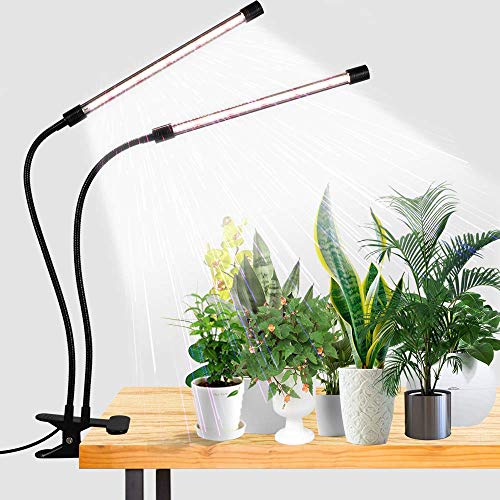
The GooingTop unit features a 6000K white-dominant spectrum with enhanced red LEDs for flowering, plus a timer function with 4, 8, or 12-hour settings. Its gooseneck clamp design offers flexible positioning in tight tent spaces, and the USB or AC plug options simplify power connections. The 95+ CRI ensures a bright, natural-feeling light that’s comfortable for sensitive plant varieties and even for human observation without glare. This option is particularly attractive for budget-conscious growers seeking adjustable timing and easy installation.
Performance is adequate for smaller tents or supplemental lighting within larger setups. The user-friendly features and straightforward installation make it a practical choice for hobbyists who want variable timing and color balance without a steep learning curve. As with other LEDs, placement height and spectrum balance should be tuned to plant stage for best results.
TATU 1000w LED Grow Light

The TATU 1000w LED Grow Light emphasizes a full-spectrum mix, combining white, blue, and red diodes to support all growth stages. It touts high efficiency with low heat emission and a robust, heat-dissipating design. The device is marketed as suitable for grow tents, offering plant-friendly light without the typical noise of fans. For growers aiming to maximize harvest potential in restricted spaces, TATU provides a balance of spectrum richness and energy efficiency. Height and density adjustments can optimize light penetration for denser canopies.
MARS HYDRO TS1000

The TS1000 represents a high-efficiency, Potent full-spectrum LED option with a patented reflective hood. The design increases light utilization by around 25% and aims for uniform coverage, ideal for 2×2 to 3×3 ft tents. It uses a high-density diode arrangement to deliver strong PAR with relatively low energy consumption (about 150W). The light’s design emphasizes heat management and long-term performance, supporting seedling through bloom stages. For growers seeking higher light intensity in mid-size tents, TS1000 offers reliable performance with robust canopy penetration.
Buying Guide: Key Purchase Considerations
- Coverage and footprint: Match light intensity and spread to your tent size. Smaller fixtures are good for seedlings or supplemental lighting, while larger models cover vegetative and flowering stages more effectively in bigger tents.
- Spectrum balance: Look for full-spectrum fixtures that include blue (vegetative growth), red (flowering), and IR components for deeper penetration. Some models add far-red for improved flowering response.
- Efficiency: Wattage versus PAR output matters. LED fixtures can deliver higher PAR per watt than traditional HPS/MH, reducing electricity use without sacrificing growth.
- Heat management: Fanless designs are quieter but may run hotter in very small spaces. Heatsink-based or active cooling helps maintain stable tent temperatures.
- Fixture durability and warranty: A longer warranty indicates confidence in long-term performance. Consider brands with solid customer support and accessible replacement parts.
- Installation and adjustability: Look for adjustable hanging kits, daisy-chaining options, and mounting flexibility to optimize canopy coverage and height clearance.
- Noise and light quality: Fanless designs reduce noise but may require more careful heat management. Uniform light distribution helps avoid hotspots and shaded zones.
- Budget and maintenance: Compare upfront costs against energy savings and bulb- or diode-life longevity. LEDs typically require less maintenance than traditional lamps.
- Grow stage versatility: If you plan to grow across seed, veg, and bloom phases, choose fixtures with proven performance across all stages or buy a higher-wattage option for flexibility.
In selecting a grow light for a tent, consider how often you will adjust height as plants grow, how much heat the tent can tolerate, and whether you prefer a compact model or a larger setup that can scale up with your garden. The options listed here provide a balance of spectrum quality, energy efficiency, and user-friendly features tailored to common tent configurations. Always follow manufacturer recommendations for mounting height and recommended coverage per model to maximize yields while maintaining plant health.