The best grass wildflower seed mix offers a low-maintenance way to create a colorful, bee-friendly landscape. This guide compares five top options, highlighting who each product is best for and why it stands out. The selections emphasize soil tolerance, shade adaptability, and long-term bloom, helping you choose a mix that fits your yard, slope, or woodland edge. Ideal buyers include homeowners seeking a natural meadow look, gardeners with shady patches, and those planting for wildlife habitats.
Summary at a glance:
| Product | Main Strength | Best For | |
|---|---|---|---|
| Jonathan Green Wildflower & Meadow Grass Mix | 25+ wildflowers, hard fescue, reseeding | Areas needing low maintenance natural landscape | May reseed aggressively in favorable conditions |
| Earth Science Shady Wildflower Mix | Shady-friendly mix with soil conditioners | Low-light areas and slopes | Requires consistent moisture for best results |
| Hale Habitat Native Grass & Wildflower Refuge | Certified seed, habitat-focused | 1/4 acre plots and wildlife habitat | May require regular overseeding for maintenance |
| Earth Science Wildflower Pollinator Mix | 3-in-1 seed, plant food, soil conditioners | Pollinator gardens with full-sun to partial shade | Bulk mix may need water management for dry spells |
| Eden Brothers All Perennial Wildflower Mix | 19 perennial varieties, low-maintenance | Pollinator-friendly borders and mass plantings | Perennial focus may require longer establishment |
Jonathan Green Wildflower & Meadow Grass Mix
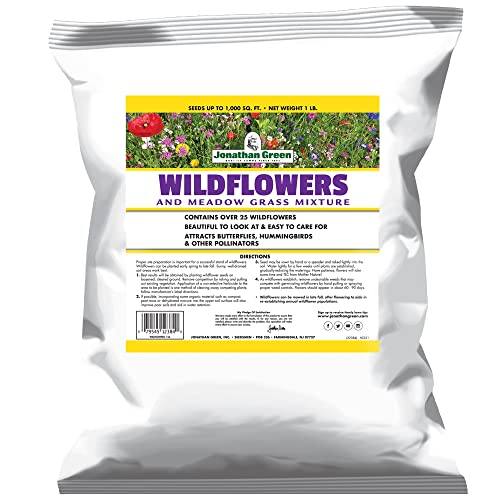
Overview and suitability: Jonathan Green’s Wildflower & Meadow Grass Mix blends over 25 annual and perennial wildflowers with hard fescue grass seed and birdsfoot trefoil. This mix is designed to create a natural landscape that requires little maintenance, making it suitable for lawns that you prefer not to mow. It is a strong option for gardeners who want immediately visible color in the first year and continued blooms as annuals reseed and perennials fill in.
Best for: Homeowners seeking a low-maintenance, self-sowing meadow feel on slopes or in soils too poor for traditional lawns. The mix’s emphasis on reseeding means fewer replanting efforts over time, which helps keep maintenance simple.
Why selected: It stands out for combining a diverse wildflower palette with a grass component that supports stabilization on uneven ground. The self-seeding aspect reduces ongoing planting, which is attractive for naturalized landscapes.
Limitations to consider: In favorable conditions, the seed may reseed aggressively. If you need tight control over spread, expect a broader flower bed or additional maintenance to manage reseeding.
Earth Science Shady Wildflower Mix

Overview and suitability: The Shady Wildflower Mix from Earth Science is an all-in-one formula that combines wildflower seed, mulch, plant food, and soil conditioners. It is designed specifically for shady conditions, making it a strong choice for woodland edges or north-facing slopes. The mixture includes a range of annuals and perennials that bloom in successive years, contributing to a multi-season display.
Best for: Gardeners planting in shady or low-light areas who still want vibrant color without intensive soil preparation. It suits beds under trees or along fences where sun is scarce yet color is desired.
Why selected: The 3-in-1 concept simplifies purchasing and reduces the number of separate products needed. The inclusion of water-retaining crystals helps guide irrigation, which is helpful for beginners and for regions with irregular rainfall.
Limitations to consider: Shady conditions can still require careful moisture management. The product recommends consistent moisture to achieve best germination and bloom timing.
Hale Habitat Native Grass & Wildflower Refuge

Overview and suitability: Hale Habitat’s Native Grass & Wildflower Refuge is a wildlife-focused seed mix designed for maximum habitat value. Each bag contains certified seed and a combination aimed at boosting growth and supporting pollinators. It is sized for about a quarter-acre, making it a practical option for larger yard spaces seeking ecological impact.
Best for: Gardeners looking to create a dedicated wildlife habitat area that supports pollinators and native grasses. This option works well for landscape renovations or new native plantings that aim to establish a robust seedbank over time.
Why selected: Certification and mix design aim for robust establishment and habitat quality, which can translate into a resilient display that volunteers for wildlife attraction across seasons.
Limitations to consider: One bag covers a significant area, so it may require careful planing and potentially additional overseeding to maintain uniform coverage in variable soils.
200,000+ Wildflower Seeds [4oz] 16 Variety Perennial Mix
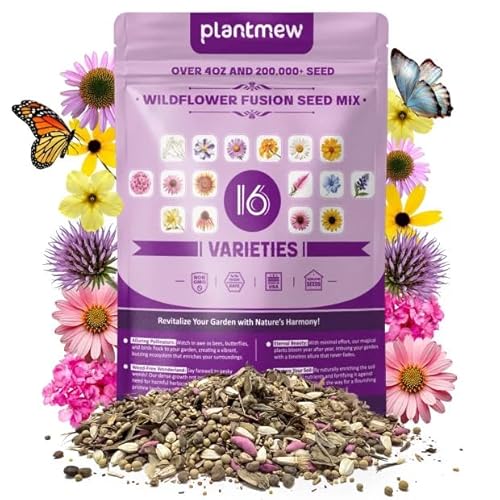
Overview and suitability: This bulk mix by PLANTMEW contains 16 perennial varieties, including Purple Coneflower and Black-Eyed Susan. The seeds are non-GMO and USA-sourced, designed to attract bees, birds, and butterflies while offering a high germination rate. It’s suitable for indoor or outdoor planting across USDA zones and supports biodiversity over time.
Best for: Gardeners seeking a high-volume perennial mix to establish a pollinator-friendly meadow or border across multiple seasons. The bulk quantity is ideal for larger projects or multiple planting beds.
Why selected: The selection focuses on perennial vigor, helping ensure lasting color and habitat value year after year. The diversity supports a broad range of pollinators and natural ecological dynamics.
Limitations to consider: As a bulk mix, establishment may require more initial preparation and consistent watering during the first growing season to reach full bloom potential.
Earth Science Wildflower Pollinator Mix

Overview and suitability: This 6-pound, three-in-one mix includes natural wildflower seed, mulch, plant food, and soil conditioners. The product is designed to attract a broad spectrum of pollinators, including bees, butterflies, and hummingbirds. It features a curated blend of annuals and perennials that support a dynamic habitat across seasons.
Best for: Gardeners wanting a pollinator-forward landscape that delivers color with less maintenance. It is well-suited for full sun to partial shade and can anchor large meadow-style plantings or border planting schemes.
Why selected: The all-in-one approach reduces the number of separate purchases and provides a ready-to-plant mix with nutrient support, improving the odds of successful establishment.
Limitations to consider: Some areas may require supplemental watering during dry spells, particularly in hot, arid seasons where soil moisture declines quickly.
Eden Brothers All Perennial Wildflower Mix

Overview and suitability: Eden Brothers offers 19 easy-to-grow perennial species in a single mix, designed to attract pollinators and provide continuous color. The seeds are non-GMO and suited for zones 3 through 10. The mix emphasizes low maintenance and reliable performance in a range of climates.
Best for: Gardeners who want a long-term, perennial-focused wildflower display with reliable color from spring through fall. It’s ideal for borders, mass plantings, and pollinator-friendly meadows.
Why selected: The focus on perennials supports durable landscapes that require less frequent replanting while delivering sustained habitat value for pollinators and wildlife.
Limitations to consider: Perennial mixes may require patience during the first growing season as plants establish themselves and fill in gaps.
Buying Guide: Grass Wildflower Seed Mixes
What should you consider when choosing a mix? First, assess your site conditions: sun exposure, soil quality, slope, and moisture. Fully sunlit beds favor mixes with drought-tolerant grasses and sun-loving wildflowers, while shady spots benefit from blends designed for lower light. Second, decide your primary goal: visual color, erosion control, or wildlife habitat. Some blends emphasize pollinators and habitat, while others focus on ornamental display with less maintenance.
Establishment and maintenance: Look for mixes with a clear seed-to-plant mix ratio, germination rates, and any soil conditioners or mulch included. For slopes or erosion-prone areas, consider mixes with fast ground cover and robust root systems. For shade, prioritize varieties labeled for low-light performance. Most blends require regular moisture during the first growing season, followed by reduced watering as plants establish.
Geography and seasonality: Ensure the mix is appropriate for your USDA zone and growing season length. Perennial-heavy mixes are beneficial for long-term color, while annuals can deliver a bold first-year display. Some products reseed, which can be advantageous for low-maintenance landscapes or need-to-fill gaps if you want a self-sustaining meadow over time.
Cost and quantity: Bulk seeds offer the best value for large landscapes, but smaller bags are easier for borders and test plots. Compare the total seed count and the area coverage to choose a product that matches your planting plan. If your goal is a pollinator corridor, calculate the space to maximize bloom density across the growing season.
FAQ
- What is a grass wildflower seed mix best for? It creates a natural, low-maintenance landscape that supports pollinators and wildlife while reducing mowing needs.
- Do these mixes reseed themselves? Some blends include annuals that flower first year and perennials that reseed in subsequent years, offering ongoing color with less replanting.
- Can I plant these in shady areas? Yes, some mixes are designed for shade or low-light conditions, but success depends on adequate moisture and soil quality.
- How much area will one bag cover? Coverage varies by product. Check the product’s stated area on the bag or listing and tailor your plan to the landscape’s size and density needs.
- Are these mixes safe for wildlife? Most mixes are designed to attract pollinators and wildlife; choose non-GMO and native-oriented blends when wildlife support is a priority.
- When is the best time to sow? Spring and fall are common sowing windows, with timing influenced by your local climate and soil moisture conditions.