Answering buyers who need grass that thrives in shade, these selections cover products designed for limited sunlight, easy establishment, and durable growth. They’re best for homes with partial shade, north-facing yards, or areas shaded by trees. The list below highlights five options that balance shade tolerance with reliable germination, using seed blends, fertilizer, mulch, and soil-friendly formulations. A quick comparison table follows to help you decide at a glance.
| Product | Best For | Why It Stands Out | Notes |
|---|---|---|---|
| Scotts PatchMaster Lawn Repair Mix Sun + Shade | Bare spots and shade patches | All-in-one mix with mulch and fertilizer for quick establishment | Contains recycled mulch; starts in as few as 7 days |
| X-Seed Ultra Premium Shady Lawn | Dense shade areas and poor soils | All-in-one seed and fertilizer option; low water needs | Versatile blend designed for sun and shade |
| Scotts EZ Seed Patch & Repair Sun and Shade | Bare spots in sun or shade | Sun and shade seed, mulch, and fertilizer in one package | Grows anywhere with proper care |
| Scotts Turf Builder Rapid Grass Sun & Shade Mix | Overseeding large problem areas | Rapid growth with lawn food; tailored for sun/shade | 2X faster growth than seed alone at new lawn rate |
| Scotts Kentucky 31 Grass Seed Mix | General shade-tolerant lawns on a budget | Premium mix with drought tolerance and durability | Contains a blend including tall fescue and ryegrass |
Note: The products listed are selected for shade-friendly performance, ease of use, and practical establishment in typical American yards. When choosing, consider your yard’s level of shade, soil quality, and how quickly you want to see green growth.
Scotts PatchMaster Lawn Repair Mix Sun + Shade Mix

Best for: Homeowners repairing bare spots where sun and shade conditions vary. This mix provides seed, mulch, and lawn fertilizer in one package to support quick establishment in challenging areas. The mulch helps retain moisture and keeps seed in place during germination. The product is designed to start growing in as little as 7 days and feeds up to 6 weeks, making it suitable for mid-season repairs. A limitation is that results depend on consistent moisture and proper care, especially in hot or windy conditions.
X-Seed Ultra Premium Shady Lawn

Best for: Lawns with heavy shade or poor soils that still demand a dense, resilient turf. This blend includes creeping red fescue, chewings fescue, perennial ryegrass, and Kentucky bluegrass to provide shade tolerance and soil adaptability. It’s marketed as both sun and shade capable, with the benefit of reduced fertilizer and water needs compared with other varieties. A potential limitation is that, like most shade blends, performance improves with proper moisture control and gradual establishment.
Scotts EZ Seed Patch & Repair Sun and Shade
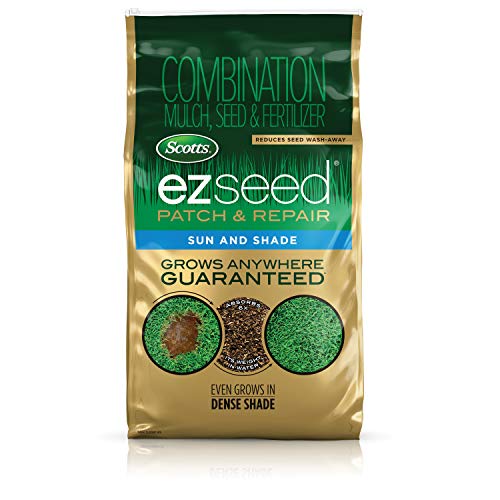
Best for: Quick patch repair where sun and shade issues coexist. EZ Seed combines high-performance seed, mulch, soil fertilizer, and a tackifier to minimize washout. It’s intended to grow in a wide range of conditions, including bare patches on slopes or heavy traffic areas. A caution: results depend on consistent application and ongoing maintenance; the seed’s success hinges on moisture and temperature conditions during germination.
Scotts Turf Builder Rapid Grass Sun & Shade Mix
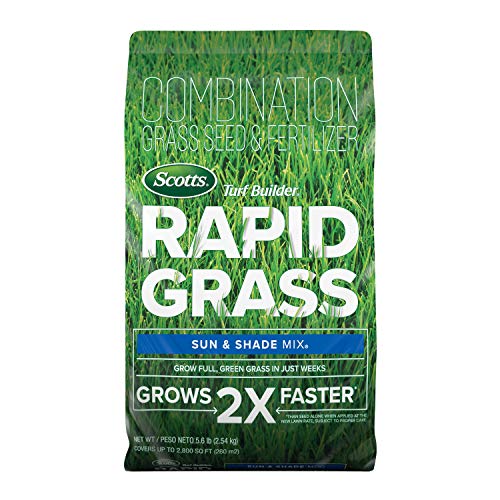
Best for: Overseeding large problem areas or establishing new grass in mixed sun/shade yards. This product combines seed with fertilizer to promote faster establishment, claiming growth up to twice as fast as seed alone under proper care. It’s a practical option for homeowners who want quicker green-up in areas that don’t receive full sun. A potential limitation is that extreme shade may still slow germination compared to sunnier spots.
Scotts Kentucky 31 Grass Seed Mix

Best for: Budget-conscious projects seeking a durable, low-maintenance lawn. This mix leans on Kentucky 31 tall fescue seeds along with premium tall fescue and annual ryegrass to provide heat and drought tolerance plus annual ground cover. It tolerates full sun and moderate shade, making it a versatile choice for mixed-light yards. A caveat: Kentucky 31 blends can take longer to reach their final density in very shady areas compared with dedicated shade blends.
Buying Guide: Key Considerations For Shade-Grown Lawns
- Shade tolerance of seed blends: Look for mixes that include tall fescue, creeping red fescue, chewings fescue, and perennial ryegrass, as these tend to perform better in low-light conditions than bluegrass-only blends.
- Soil preparation: Loosen compacted soil, remove thatch, and amend with compost if needed. Seed-to-soil contact is critical for germination in shade where moisture is scarce.
- Moisture management: Shaded areas dry more slowly, but root zones stay cooler. Keep soil consistently moist during germination and early growth, then adjust watering to avoid fungal issues.
- Mulch and seed coatings: Products with mulch or tackifiers help keep seeds in place in shaded zones with occasional wind or rain splash-out. Consider mulch-containing blends like PatchMaster for easier establishment.
- Establishment timelines: Shade-tolerant seeds often establish more slowly than sun-loving varieties. Plan for a longer germination window and steady maintenance to achieve dense coverage.
- Maintenance after germination: Gradually reduce fertilizer to avoid excessive growth in shade. Mowing height should be kept higher in shade to reduce stress on blades.
- Site-specific considerations: For heavily shaded areas under trees, assess root competition and potential soil dryness. In very dense shade, you may need to combine reseeding with light pruning of canopy to increase light penetration.
Frequently Asked Questions
- What grass seeds grow best in shade?
Seeds featuring tall fescue, creeping red fescue, and perennial ryegrass blends generally perform well in shade, with some bluegrass blends also tolerating light shade. - How long does shade-tolerant seed take to establish?
Germination can occur within 7–14 days for some products, with full density taking several weeks to a few months depending on light and moisture conditions. - Do I need special fertilizers for shade grass?
Shade lawns typically benefit from balanced fertilizers applied at lower rates and less frequently, to avoid promoting excessive above-ground growth that shade can’t support. - Can I overseed an established lawn in shade?
Yes. Many products are designed for overseeding large or problem areas, providing seeds and nutrients to help existing lawns recover and fill in patchy zones. - Is mulch necessary for shade seed blends?
Mulch helps retain moisture and protects seeds in challenging shade environments, especially when establishing in bare patches or slopes. - What maintenance should I avoid in shade lawns?
Avoid aggressive mowing and over-fertilization, which can stress shade-tolerant grasses and invite disease in cooler, damp conditions.