Sports fields demand grass that can endure heavy foot traffic while remaining visually uniform and healthy. The following seeds are selected for cool-season climates common in many American regions and for performances on soccer, football, and baseball fields. Each option blends wear tolerance, rapid establishment, and resilience against heat, drought, or heavy use. Read on to compare high-traffic blends and find the seed that best fits your field’s sun exposure, maintenance schedule, and budget.
| Product | Brand | Seed Type | Size | Why It’s Suitable |
|---|---|---|---|---|
| Black Beauty Heavy Traffic (10970) | Jonathan Green | Cool-season tall fescue and perennial rye | 3 lb | High-traffic performance with uniform texture for sports fields. |
| Turf Saver RTF | Barenbrug | Tall Fescue with true rhizomes | 10 lb | Self-repairing rhizomes for rapid gap filling and resilience. |
| Penkotted Kentucky 31 Tall Fescue | Pennington | Kentucky 31 Tall Fescue | 3 lb | Durable, economical option with strong summer and wet-weather tolerance. |
| Athletic Field Seed (10 lb) | Home and Country USA | Tall Fescue blend | 10 lb | Proven mix for athletic use with uniform texture and wear tolerance. |
| Pennington Annual Ryegrass Seed | Pennington | Annual ryegrass | 10 lb | Quick germination for overseeding and winter green cover in sunny spots. |
Choosing the right grass seed for a sports field involves balancing wear resistance, recovery speed, sun exposure, and maintenance needs. The selections below emphasize durable turf, rapid establishment, and consistent appearance under athletic use. Review each product’s composition and consider how it fits your region’s climate, irrigation strategy, and mowing program to sustain a safe, visually even surface throughout the playing season.
Jonathan Green Black Beauty Heavy Traffic Seed (10970)

The 10970 Black Beauty Heavy Traffic mix combines tall fescues and perennial rye grass to stand up to aggressive foot traffic on sports fields, backyards, and playground zones. Its uniform lawn texture helps ensure consistent field lines and bounce during play, while tolerance to full sun and partial shade supports diverse field locations. Deep root growth contributes to drought resilience and soil stability, reducing maintenance demands in high-use areas.
Athletic Field Grass Seed Lawn Seed (5 lb)

This 5-pound mix emphasizes tall fescue components (Renegade Tall Fescue, Falcon Iv Tall Fescue, and Tribute Tall Fescue) designed for athletic settings. The blend aims for quick establishment, a dense canopy, and reliable wear resistance across varying sun exposures. It’s suitable for training fields and school playgrounds where consistent turf performance matters and where routine mowing maintains playing quality.
Barenbrug Turf Saver RTF Seed
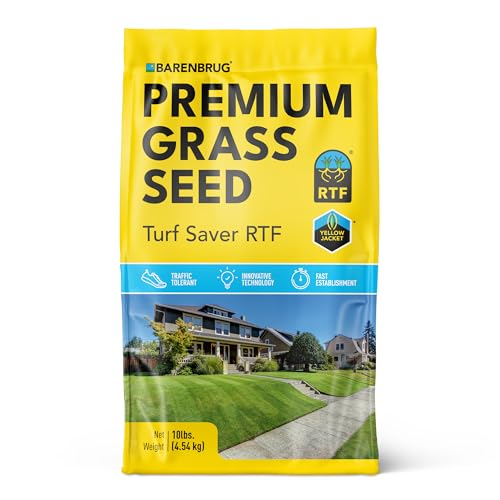
Barenbrug’s Turf Saver RTF features a true rhizomatous tall fescue blend (RTF) that is designed to spread into damaged areas quickly. The inclusion of BarRobusto provides dark green color, improved drought tolerance, and reduced brown patch risk. The seed composition—a mix with substantial RTF varieties and high-quality tall fescue—targets field durability while working to maintain a even, resilient surface on sports grounds.
Pennington Kentucky 31 Tall Fescue (3 lb)

Kentucky 31 Tall Fescue is a staple for durable lawns and sports fields. The 3-pound Pennington offering focuses on a sturdy, economical profile with blades that stand up to heat and heavy rains. This seed is well-suited for fields that require a robust, low-maintenance option with reliable establishment in a variety of soil types, supporting long-term playability and field integrity.
Athletic Field Seed Lawn Seed (10 lb)

The 10-pound athletic field seed from Home and Country USA combines tall fescue varieties to achieve uniform texture and resilient turf on sports surfaces. This larger bag is designed for field-scale installation, offering good establishment rates and wear tolerance for fields used for multiple sports. It aligns with field managers seeking steady performance across seasons with manageable maintenance needs.
Pennington Annual Ryegrass Seed (10 lb)

Pennington’s Annual Ryegrass Seed is known for rapid germination and winter green cover in sunny field locations. While not a long-term stand-alone turf, it is effective for overseeding or establishing quick canopy on sports fields that require fast occupancy. It can complement cool-season tall fescue blends by providing short-term ground cover during transition periods between seeding cycles.
Buying Guide: Key Purchase Considerations
- Seed Type and Mix: For high-traffic fields, tall fescue and tall fescue–rye blends provide wear resistance and a dense canopy. Some blends include rhizomatous or deep-rooting varieties to improve recovery after damage.
- Sun Exposure and Shade Tolerance: Assess the field’s sun pattern. Full sun areas often perform better with deeper-rooting tall fescues, while shaded zones benefit from varieties with shade tolerance.
- Establishment Speed: Overseeding and seeding speed matter for field readiness. Quick-germinating ryegrass or fast-establishing tall fescue blends can shorten downtime between seasons.
- Durability and Repair Capability: Rhizomatous or self-repairing types help fill damaged areas after heavy use, reducing maintenance gaps and keeping play surfaces safe.
- Water and Drought Tolerance: Choose drought-tolerant blends where irrigation is limited. Deep-rooted grasses generally resist drought longer and support field health during dry spells.
- Maintenance Window: Consider mowing height, fertilization, and irrigation requirements to maintain consistent surface texture and color throughout the playing season.
- Field Location and Climate: Local climate conditions influence seed performance. Cool-season grasses perform best in temperate regions with adequate spring and fall growth.