Whether you’re planning a kitchen garden, a flower bed, or a small urban farm, a garden planner and log book can turn chaotic notes into a clear, actionable plan. This guide highlights five top garden planners and log books to help you track plant data, organize tasks, and record seasonal insights. From traditional almanac wisdom to modern, structured journals, these picks cover planting calendars, soil notes, and harvest records so you can repeat successes year after year.
Summary of selected products
| Product | Brand | Core Focus |
|---|---|---|
| The Gardener’s Logbook | PETER PAUPER PRESS | Plant tracking from start to harvest; yearly reflections |
| The Old Farmer’s Almanac Vegetable Gardener’s Handbook | The Old Farmer’s Almanac | Step-by-step vegetable guidance; soil testing and methods |
| Garden Planner – Garden Journal Planner and Log Book | XIMDY | All-in-one planner with monthly and weekly organization |
| Garden Journal, 3 Ring Binder | CraftSaints | Complete planning kit with sleeves, dividers, and templates |
| Harloon Garden Planner and Log Book | Harloon | Floral themed diary for daily planning and records |
The Gardener’s Logbook

The Gardener’s Logbook emphasizes a structured way to capture plant journeys. Its core feature is dedicated “Plant Log” pages that track each plant from emergence through the growing season and beyond. The log supports noting successes for next year and analyzing what didn’t work, helping you avoid repeating mistakes. This approach makes it a practical companion for hobbyists and serious growers who want to build a data-informed garden plan over time.
The Old Farmer’s Almanac Vegetable Gardener’s Handbook

This handbook delivers step-by-step guidance for growing more than 30 vegetables across diverse zones. It covers soil testing importance, in-ground versus raised bed techniques, seed starting and saving, and practical garden observations. Rich with color photos, charts, and anecdotal notes from other gardeners, it offers a balanced mix of practical how-tos and inspirational glimpses into seasonal gardening.
Garden Planner – Garden Journal Planner and Log Book

This all-in-one planner is designed for year-round gardening. It combines record layouts, plant care notes, harvest tracking, and garden tasks in a single volume. Monthly and weekly organization helps maintain calendars, to-do lists, and seasonal checklists, ensuring you stay on track from sowing to harvest. It’s well-suited for gardeners who want a single reference for planning, reflection, and future improvements.
Garden Journal, 3 Ring Binder
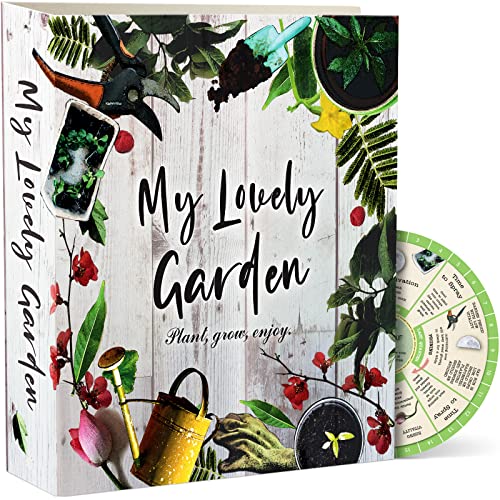
The Garden Journal by CraftSaints is a complete planning kit designed for serious organization. It includes a binder, 12 dividers, multiple sleeves, seed envelopes, plant profile sheets, and a moon calendar. The layout supports storing photos, seed packets, and long-term notes in moisture-resistant sleeves. It’s especially useful for gardeners who want a robust, modular system that can grow with their needs.
Harloon Garden Planner and Log Book

The Harloon planner combines a floral theme with practical tracking capabilities. It contains 100 sheets (200 pages) and records up to 195 days of activity, with double-sided pages for efficient note-taking. The design caters to both beginners and seasoned gardeners, offering a simple way to log daily tasks, growth notes, and future planning decisions while keeping the layout light and visually appealing.
Buying Guide: Key Purchase Considerations
Choosing the right garden planner or log book depends on how you work best and what you want to capture. Consider these perspectives to decide which option fits your style:
- Depth of data: If you want detailed plant histories, prioritize planners with dedicated plant log pages, seasonal observations, and space for notes about soil, weather, and dates.
- Organization system: For some gardeners, a binder with dividers and sleeves offers flexible customization. Others may prefer a single-book approach with monthly and weekly sections.
- Calendaring features: Lunar calendars, moon phase recommendations, or monthly planning views can help align tasks with environmental cycles. Decide the level of calendar integration you need.
- Durability and format: Binders and cloth-bound notebooks may withstand outdoor use, while lightweight planners are easier to carry. Consider moisture resistance and page durability.
- Expandability: If you expect to add photos, seed packets, or extra notes, choose a product with space for inserts, sleeves, or removable pages.
- Ease of use vs. comprehensiveness: Some planners emphasize quick notes and captions, while others push for exhaustive data. Pick a balance that suits your routine.
- Intended audience and tone: Almanac-style guides offer broader horticultural guidance, while personalized log books focus on your garden’s unique variables. Align with your learning style and goals.
- Price and value: Compare features such as included templates, dividers, and accessories. A higher upfront cost may yield long-term organization benefits if it matches your workflow.
For best results, consider a trial period with a single planner that aligns with your primary goals—whether it’s tracking plant performance, refining sowing dates, or building a harvest log. You can always layer in supplementary pages or binders if you need more space over time. The right choice should streamline your routine, reduce repetition, and provide clear insight into what works in your garden year after year.