Protecting garden crops from pests and weather can boost yields and health. The following five garden nets offer selective permeability, easy setup, and durable materials to guard vegetables, fruits, and flowers. Each choice prioritizes airflow, light, and water passage while blocking birds, insects, and larger intruders. Use the buying guide below to compare mesh sizes, UV resistance, and setup methods to match your garden’s layout and climate.
| Product | Brand | Summary |
|---|---|---|
| LCHUANG Bird Netting for Garden Protection | LCHUANG | 4 Pack, 3.3 Ft x 2.7 Ft, drawstring, protects berries, tomatoes, and shrubs from birds and insects. |
| Garden Netting Pest Barrier: 4’x10′ | Garden Tailor | HDPE, UV-resistant; wide application from garden beds to windows; high durability. |
| Feitore Deer Fence Netting, 7 x 100 Feet | Feitore | Long-lasting PP mesh; strong, reusable fence-style protection for larger areas. |
| 2 PCS Garden Plant Trellis Netting | Sukh | 5 x 15 ft, 6 x 6 inch mesh; supports climbing crops and vertical growth. |
| RIFNY 2 Pack Ultra Fine Mesh Netting | RIFNY | 10×33 ft, 0.04-in mesh; large coverage with good airflow for vegetables and fruits. |
LCHUANG Bird Netting for Garden Protection

LCHUANG’s bird netting offers a practical, lightweight shield for vegetables, fruits, and flowering plants. The 4-pack design provides multiple covers for blueberries, tomatoes, and potted plants. Features include a zipper-accessible setup and a drawstring to snugly secure the netting without compressing plant growth. The PE material is transparent, allowing light and moisture to reach the underlying plants while keeping birds, insects, and other pests at bay. It’s designed to be easy to install and reuse across seasons.
Garden Netting Pest Barrier: 4’x10′
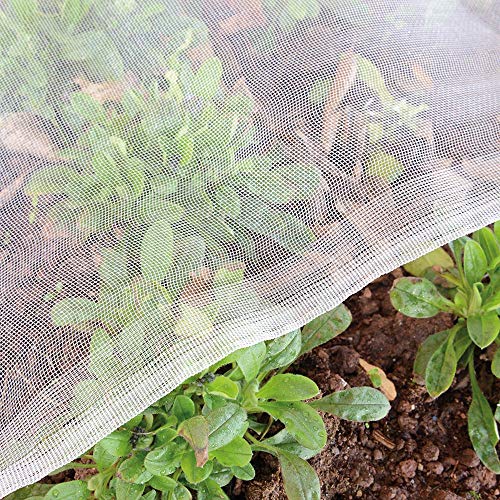
This Garden Tailor netting provides a full coverage barrier for row crops, flowers, and fruit trees. The 4’x10′ field-size is suitable for raised beds or greenhouse sections. It protects against cicadas, aphids, and other common garden pests while remaining UV-resistant and light enough not to impede growth. The HDPE construction is designed to resist tearing, and the tight selvedge reduces unraveling over time. Versatility extends to indoor use or window screening if needed.
Feitore Deer Fence Netting, 7 x 100 Feet
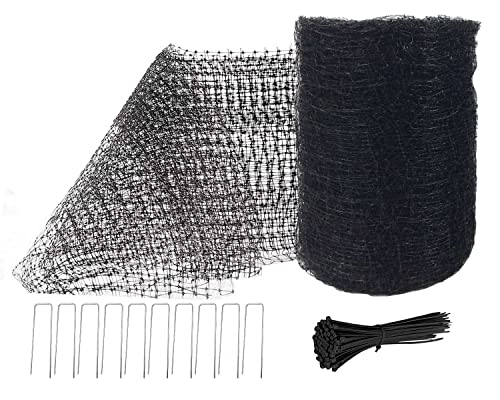
Feitore’s deer fence netting is a long roll that provides robust protection for larger garden areas. Measuring 7 feet by 100 feet with a 3/4-inch square mesh, it offers reliable defense against deer and other large pests while letting air and sunlight pass through. The product includes installation nails and cable ties for quick setup. It is described as strong, reusable, and versatile enough to function as bird, rabbit, or pond netting, making it a flexible option for broader landscapes.
2 PCS Garden Plant Trellis Netting

Sukh trellis netting is designed to support climbing crops like tomatoes, cucumbers, beans, and eggplants. The 5 x 15 ft panels have a 6 x 6 inch mesh, which provides a stable framework for vertical growth. The polyester-nylon blend is noted as strong, reusable, and capable of handling heavy crop loads. It can be installed horizontally or vertically, depending on your plant shape and garden layout, making it a versatile addition to trellis systems or grow tents.
RIFNY Ultra Fine Mesh Netting

RIFNY’s two-pack offers a substantial 10×33 ft coverage with a 0.04-inch ultra-fine mesh. The design prioritizes permeability for air, light, and water while forming a physical barrier against insects and small animals. It’s especially suited for large vegetable plots, fruit crops, and greenhouse applications. The netting is described as easy to install, with a note that it can be left in place during watering, ensuring minimal disturbance to routine plant care.
Buying Guide: Key Purchase Considerations
- Mesh size and permeability: Ultra-fine meshes protect against small insects yet must allow sunlight, air, and water to reach plants. Match mesh to pest pressure and plant type (e.g., crops with small fruit may benefit from finer nets).
- Coverage area and shape: Choose nets that fit your garden layout—raised beds, rows, or large tree canopies. Long rolls offer flexibility but may require cutting and securing on site.
- Durability and materials: UV-resistant HDPE or PP nets resist sun exposure and tearing. Reusability and ease of cleaning extend the lifespan across seasons.
- Installation method: Drawstring, zippers, or simple draping affect setup time and re-use. Consider whether you need access points for harvest or irrigation.
- Impact on plant growth: Ensure the netting does not overly restrict growth. Some designs emphasize lighter weight and transparent materials to minimize shading or airflow disruption.
- Versatility: Some nets double as trellis supports or windbreaks. If you manage a larger landscape, long nets with accessories can simplify coverage.
- Maintenance and storage: Look for nets that are easy to clean and store when not in use. A tidy garden net reduces potential pest harborages during off-season.
When selecting a garden net, consider the specific pests you encounter, the size and layout of your beds, and whether you need temporary covers or long-term fencing. All options listed provide clear barriers while preserving essential growing conditions. Combining nets with other protective strategies, such as row covers or deterrents, can further reduce losses and improve yields across diverse climates.