The right fungicide powder can protect your foliage from powdery mildew, rust, blight, and other common plant diseases. This guide highlights five effective options, spanning organic and traditional formulations, so you can choose a product that fits your garden, crops, and gardening practices. Each selection is evaluated for broad disease control, safety for people and pets, and suitability for indoor or outdoor use.
| Product | Brand | Type | Key Use |
|---|---|---|---|
| Sulfur Plant Fungicide MICRONIZED Spray OR DUST | Bonide | Sulfur-based Fungicide | Rust, leaf spot, powdery mildew |
| BONIDE 142 Sulfur Plant Fungicide | Bonide | Sulfur-based Fungicide | Rust, powdery mildew, leaf spot; organic gardening |
| Earth’s Ally Disease Control Concentrate | Earth’s Ally | Citric acid-based fungicide concentrate | Powdery mildew, blight, black spot, leaf spot |
| Grower’s Ally Fungicide Spray for Plants | Grower’s Ally | Citric acid-based spray | Powdery mildew; organic gardening |
| Bonide Fung-onil Multi-Purpose Fungicide | Bonide | Chlorothalonil-based fungicide | Leaf spot, rust, blight, mildew |
Bonide Sulfur Plant Fungicide MICRONIZED Spray or Dust

Sulfur-based fungicide offers broad-spectrum protection against common fungal diseases. The product is suitable for powdery mildew, leaf spot, and rust on a variety of ornamentals and crops. It provides residue-free performance when used as directed and is compatible with many garden routines. Suitable for both spray and dust applications to accommodate different plant sizes and gardening setups.
BONIDE 142 Sulfur Plant Fungicide

This sulfur-based fungicide is noted for organic gardening use and is designed to control rust, powdery mildew, and leaf spots on fruits, vegetables, and ornamentals. It can be applied to a wide range of crops, including apples, berries, grapes, and other popular garden staples. The product is also listed for animal applications such as fleas and ticks on certain animals, offering a broader, albeit cautious, utility for farmers and hobbyists alike.
Earth’s Ally Disease Control Concentrate for Plants

Earth’s Ally offers a natural, citric acid-based fungicide concentrate designed to treat a range of diseases, including powdery mildew, blight, and leaf spots. The formula emphasizes safety for people, pets, and the environment, making it a favorable option for home gardens and organic setups. It functions as a comprehensive disease control solution with a focus on plant health and consumer safety.
Grower’s Ally Fungicide Spray for Plants

Grower’s Ally provides a citric acid-based fungicide spray that aims to kill and prevent powdery mildew and other plant pathogens. The product emphasizes organic compatibility, listing FIFRA 25(b) exemption and OMRI certification, which supports use in organic gardening. It forms a protective barrier on leaf surfaces when used preventatively to deter pathogen development.
Bonide Fung-onil Multi-Purpose Fungicide
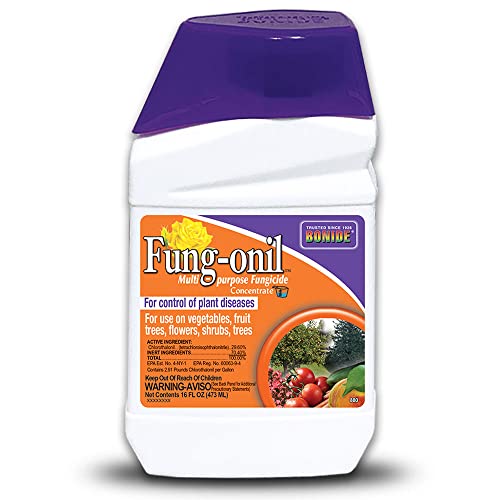
Fung-onil combines chlorothalonil as an active ingredient to provide broad-spectrum disease protection for leaves and stems. It is designed to control and prevent a range of diseases, including leaf spots, rust, blight, and mildew. The product is popular among home gardeners seeking a reliable, multi-purpose option for routine disease management in diverse garden settings.
Buying Guide
- Active ingredient and disease coverage: sulfur-based products are effective against rust and mildew but may be less suited for all plant types. Chlorothalonil provides broad-spectrum control but requires careful use per label directions.
- Organic and natural options: citric acid-based fungicides offer organic compatibility and lower synthetic chemical exposure, but may require more frequent applications for sustained protection.
- Plant compatibility: verify labeling for fruits, vegetables, ornamentals, or indoor plants to ensure safe use on the intended crops.
- Safety considerations: consider pet and family safety, especially for home settings. Look for products with OMRI listing or FIFRA 25(b) exemptions when organic gardening is a priority.
- Application method: choose formulations that align with your routine—dusts for ground-level coverage or sprays for foliar protection. Always follow label directions for mixing, application timing, and re-entry intervals.
- Resistance management: rotate between product families when disease pressure is high to minimize pathogen resistance development.
- Environmental impact: prefer formulations with safer residue profiles and lower environmental persistence when possible.