Fundraising bricks and pavers offer a durable and memorable way to support schools, parks, stadiums, and other community spaces. This guide highlights five top options suitable for fundraising campaigns, engraving, molds, and DIY installations. Each entry explains key features, materials, and practical considerations to help organizers choose the right option for their project and budget.
| Product | Brand | Key Use |
|---|---|---|
| Comfort House Engraved Fundraiser Brick | Comfort House | Engraved custom text for fundraiser bricks |
| Reusable Plastic Grass Paver Molds | MWYZGmold | Concrete molds for grass-block style pavers |
| Anothera Concrete Molds (8-Grid) | Anothera | Walkway and patio stepping stones |
| BETONEX Concrete Grass Paver Mold (2mm) | BETONEX | DIY grass block paver molds |
| MYCENSE Hexagon Paving | MYCENSE | Reusable stepping-stone color bricks |
Engraved Fundraiser Brick With Personal Text

The Comfort House Engraved Fundraiser Brick is designed as a half-thickness street paver with a dark red hue. Typical dimensions are 4″W x 8″L x 1.5″ thick, making it suitable for integration into brick walkways, memorial paths, or donor walls. The engraving produces a permanent black glass surface, avoiding paints, plastics, or solvents, which supports green practices for fundraising projects. Engravable text can be customized to honor donors or commemorate milestones, offering a lasting keepsake for communities.
Key considerations include surface finish variation and minor color/flaw variations inherent in bricks. The option emphasizes durability and readability, providing a tangible, long-lasting fundraiser element that supporters can view as a permanent dedication within the landscape. For organizers, plan spacing and installation to highlight the engraved text and ensure legibility over time.
Reusable Grass Paver Molds For Custom Pathways

MWYZGmold’s reusable concrete molds are crafted from high-quality ABS material, designed for repeated use in creating grass-block style pavers. The molds feature a five-hole design that supports unique, decorative patterns for driveways, pathways, and landscaping edges. You can paint the final pavers to match branding or project colors, and after installation, fill the holes with sand or soil to integrate natural elements such as grass or flowers. The sturdy construction helps keep production costs down across fundraising campaigns, enabling volunteers to produce uniform pieces efficiently.
Considerations include the upfront investment in multiple sets to meet production quotas and the need for proper curing time. These molds are versatile for DIY builds, allowing donors to participate in the creation process by hand-pouring and finishing pieces that will be installed in community spaces.
Anothera 8-Grid Concrete Walk Maker

Anothera’s 15.7″ x 15.7″ x 1.57″ concrete molds create accessible stepping stones and pavers for walkways, patios, and yard features. The 8-grid design enables customization, as users can shape a cohesive path with uniform tiles. This mold is intended for DIY enthusiasts and fundraising teams seeking to produce a consistent line of pathway pieces. The product emphasizes ease of use—no professional tools required—and reusability, as the polypropylene mold can be used repeatedly after cleaning once the concrete cures.
Fundraisers can leverage this kit to involve volunteers in hands-on production sessions, producing a series of path segments that donors can sponsor and then install in prominent community areas.
Concrete Grass Paver Mold (2mm) By BETONEX

BETONEX presents a 2mm thick concrete grass paver mold intended for quick production of patio tiles, garden paths, and pathway stones. The kit is marketed as a DIY solution for garden paths and grass-block style installations, with emphasis on reuse and ease of use. The mold’s dimensions align with typical pathway projects, allowing donors to sponsor distinct intervals in a larger walkway or to create a signature garden feature. The 2mm design balances lightweight handling with durability for repeated use across a fundraising season.
BETONEX 4mm Grass Paver Mold For Concrete
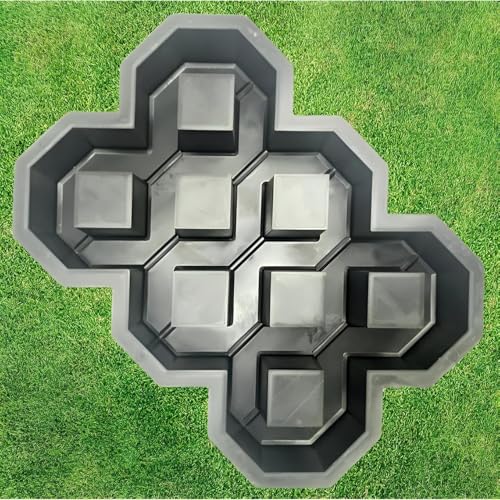
This BETONEX variant expands the range for grass paver production with a 4mm mold. The increased thickness supports more substantial paver units and can be appealing for durable installation projects. The product is positioned for DIY usage, with the same emphasis on reusability and straightforward results. Community groups may utilize the 4mm mold to craft durable pavers that withstand foot traffic and seasonal weather, contributing to a consistent donor-branded pathway or entrance feature.
MYCENSE Hexagon Paving Color Brick

MYCENSE offers a hexagonal paving color brick designed for garden and landscape projects. The reusable stepping-stone tool helps create walkways, patios, and outdoor gathering areas with a customizable color palette. The PP material promises durability for repeated use, making it suitable for fundraising environments where volunteers may form rows of hexagonal tiles to install in public spaces. Its flexibility supports varied design schemes and branding opportunities for donor recognition within the completed installation.
Leefasy Concrete Brick Model Square Paver Form

The Leefasy model provides a square decorative stepping stone option for backyards and pathways. The PP-based mold is designed for longevity and repeatable production, enabling consistent shapes and finishes. Its user-friendly design supports DIY walkway projects, making it suitable for fundraising events where supporters participate in the creation of garden accents that donors can sponsor and see installed in community spaces.
Buying Guide
Key purchase considerations for fundraising bricks and pavers include durability, maintenance, and donor engagement. Durability matters for long-term installations in public spaces, so opt for pavers and molds with proven per-use resilience and weather resistance. Maintenance is also important; choose materials and finishes that minimize staining and simplify cleaning after pouring and curing. For donor engagement, consider engraving options, color choices, and a layout plan that maximizes visibility of donor names or messages over time.
Other perspectives to compare include:
- Engraving vs. painted text: Engraving offers permanence and sustainability, while paint-based options may require periodic touch-ups.
- Pre-cast bricks vs. molds: Pre-cast bricks guarantee uniform results but limit customization. Molds offer broader personalization but may demand more labor and curing time.
- DIY vs. professional installation: DIY projects reduce costs and increase community involvement, but may require training, safety considerations, and additional tools.
- Eco-friendly considerations: Green engraving processes and recyclable mold materials align with sustainability goals and donor expectations.
- Project scope and longevity: Plan projects that scale with fundraising goals, including a clear installation plan and donor recognition strategy for the finished space.