Winter is an ideal time to plant fruit trees in many regions, giving roots time to establish before spring active growth. This guide highlights five Amazon-listed fruit trees suited to winter planting, along with practical considerations for success. Each option includes climate suitability, growth habit, and key fruiting traits to help homeowners plan an amateur orchard or container setup.
| Product | Type | Size When Shipped | Key Benefit |
|---|---|---|---|
| Honey Kiss Mango Tree | Mango Tree (Mangifera Indica) | 8–12 in seedling | Sweet, fiberless mangoes with compact, container-friendly growth |
| Mulberry Dwarf Everbearing Plant (4 Pack) | Mulberry | 6–10 ft mature height | Prolific fruiting; self-pollinating; compact for small spaces |
| 200+ Mix Dwarf Bonsai Fruit Tree Seeds | Mixed fruit seeds (lemon, cherry, orange, apple) | Seeds packages | Diversified fruit options from home-sown seeds |
| Red Haven Dwarf Peach Tree | Peach | 2–3 ft shipped | Self-pollinating dwarf with cold-hardiness |
| Pear Tree Live 10 Inches Tall | Pear | 8–10 in seedling | Cold-hardy, compact starter for home orchards |
Below are five fruit tree options focused on winter planting suitability, ranging from dwarf and container-friendly selections to seeds for hands-on propagation. Each entry includes climate notes and practical placement tips to help you choose the right tree for your winter planting window.
Honey Kiss Mango Tree
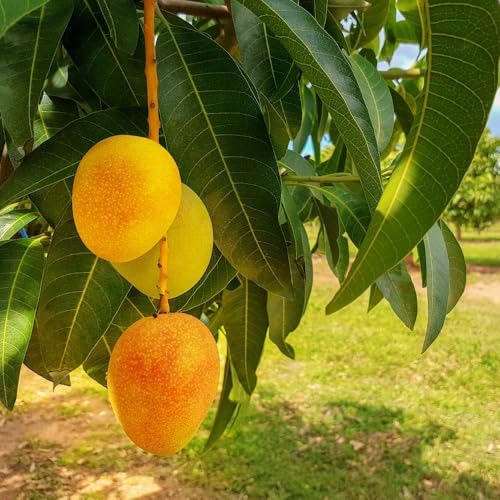
The Honey Kiss Mango Tree is described as a naturally seed-grown seedling, measuring between 8 and 12 inches tall. This dwarf, container-friendly variety promises small-to-medium, fiberless mangoes with a rich, honey-like sweetness, suitable for fresh eating, smoothies, and desserts. It thrives in warm climates (zones 9–11) and prefers full sun with well-draining soil. Winter planting should focus on establishing the root system in a sheltered, sunny location or indoors in pots in cooler areas, then transitioning outdoors after frost risk passes.
Mulberry Dwarf Everbearing Plant (4 Pack)

The Mulberry Dwarf Everbearing is sold as a compact live plant set, designed for small gardens or containers. Mature height ranges from 6 to 10 feet, with prolific fruiting producing sweet, blackberry-like mulberries from late spring through summer. It is self-pollinating, meaning a single plant can bear fruit, which is advantageous for winter-to-spring planting efforts in sheltered spaces. It tolerates a range of light conditions but performs best with full sun.
200+ Mix Dwarf Bonsai Fruit Tree Seeds

This seed assortment includes four varieties: lemon, cherry, orange, and apple. Each seed type is packaged in separate, moisture-resistant bags, designed for long-term storage. Seeds are intended to be soaked and prepared before planting, with edible fruit outcomes once established. Winter planting with seeds requires patience and consistent moisture to achieve germination, followed by careful acclimation to outdoor conditions as temperatures rise.
Red Haven Dwarf Peach Tree

The Red Haven Dwarf Peach Tree is a self-pollinating option shipped at 2 to 3 feet tall. It thrives in zones 5 through 8 with full sun. Winter planting supports root establishment in a protected area or a sun-soaked container setup. Bare-root or dormant plant handling is common for this type, so plan for careful root care and mulching during colder months to protect developing roots.
Pear Tree Live 10 Inches Tall

The Pear Tree Live seedling stands about 8–10 inches tall and is described as hardy in zones 4–8. Dormant in winter and leafing out in spring, it grows to a mature size of 15–20 feet. This cold-hardy selection suits winter planting by establishing a robust root system in cool climates with well-drained soil and full sun exposure.
Buying Guide: Winter Planting Considerations
- Climate compatibility: Match the tree’s hardiness with your USDA zone and expected winter temperatures. Cold-hardy options tolerate frost, while tropical or subtropical types may require winter protection or indoor overwintering.
- Root establishment: Winter planting prioritizes root development before active growth. Use well-drained soil and avoid waterlogging. Mulching helps conserve moisture and regulate soil temperature.
- Container vs. in-ground: Dwarf and container-friendly varieties, like the Honey Kiss Mango and Red Haven Peach, suit pots or small spaces. Ensure pots have drainage and are large enough for future growth.
- Pollination needs: Some fruit trees are self-pollinating (e.g., certain peaches) while others benefit from cross-pollination. Check varietal notes to determine whether a second tree is necessary in your area.
- Soil and fertilizer: Slightly acidic to neutral soils often work best for many fruit trees. Incorporate compost or balanced fertilizer according to growth stage and local guidelines, especially in winter when growth is minimal.
- Water management: Winter can bring reduced watering needs, but newly planted stock still requires consistent moisture. Monitor soil moisture and adjust as temperatures fluctuate.
- Disease and pest planning: Choose disease-resistant varieties when available, and maintain good spacing for air circulation to prevent fungal issues common in winter dampness.
- Planting method: For bare-root or dormant stock, soak roots as recommended by the supplier and plant promptly after arrival. For seeds or seedling mixes, follow specific germination and care instructions to maximize establishment success.
These considerations help balance aesthetics, edibility, and practical winter planting success. Always consult local extension services or nursery guidance for region-specific best practices and timing adjustments.