Growing fruit at home is easier than you think with mail-order trees. This guide highlights five reliable options that arrive healthy and ready to thrive in American backyards or patios. Each pick is evaluated for climate adaptability, growth habit, and fruit quality, helping you choose the right tree for containers or in-ground planting. Below is a quick snapshot of the featured selections to compare at a glance.
| Product | Brand | Plant Type |
|---|---|---|
| Pickering Mango Tree – 8-12in Tall | Generic | Live Dwarf Tropical Fruit Tree |
| Illinois Everbearing Mulberry Tree | Seeds*Bulbs*Plants*&More | Mulberry, Potted Plant |
| Patio Fruit Plant Variety Pack | Wekiva Foliage | Starter Plants (Fig, Blueberry, Pineapple, Pomegranate) |
| Fuji Apple Tree | DAS Farms | Live Apple Tree, 3 Feet Tall |
| Loquat Tree (Eriobotrya Japonica) | GG Farm | Live Loquat Tree |
Pickering Mango Tree – 8-12in Tall

The Pickering Mango Tree is seed-grown, offering natural vigor through strong root development. The young plant arrives 8-12 inches tall, grafted and ready for transplanting into a garden bed or container. Mango trees in this class produce sweet, fiberless fruit with golden-yellow skin and orange flesh when mature. While tropical by nature, many gardeners in suitable zones enjoy a compact, container-friendly dwarf variety that can be moved indoors during colder months. This option emphasizes quick establishment and edible returns with proper warmth and sunlight.
Illinois Everbearing Mulberry Tree

This mulberry selection is described as a beautiful fruit-bearing plant suitable for year-round enjoyment. Mulberries offer a distinctive, sweet fruit and can enhance both ornamental value and garden biodiversity. The Illinois Everbearing variety is often grown in containers or in the ground, adapting to a range of spaces. While the plant’s care is straightforward, users should provide adequate sun and regular watering to maximize fruit production across a long harvest window.
Patio Fruit Plant Variety Pack

This starter plant set includes one fig, one blueberry, one pineapple, and one pomegranate plant. Each plant is selected for health and vigor, making it ideal for patios and small gardens. The variety spans both temperate and subtropical flavors, offering a quick edible harvest with minimal space. Gardeners should note that some species thrive in containers while others perform best in the ground, so plan accordingly and monitor sun exposure, soil type, and irrigation needs for each plant in the pack.
Fuji Apple Tree

The Fuji Apple Tree is a live plant marketed for ground planting, with size guidance indicating a mature environment is best suited for outdoor spaces. It thrives in zones 4 through 8 and requires cross-pollination for optimal fruiting, so consider planting a compatible variety nearby if you have room. This tree can contribute consistent, crisp apples to your harvest season, provided you offer full sun, well-drained soil, and regular pruning to sustain vigor and shape.
Loquat Tree
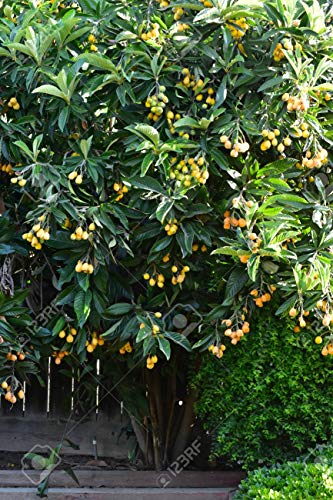
The Loquat Tree is a sub-tropical option that tolerates outdoor spaces and can serve as an eye-catching, fruit-producing plant. Loquats deliver a sweet juiciness reminiscent of apricot and plum flavors. The tree is described as self-fertile, which can simplify pollination requirements. It is generally suited for warmer climates and can adapt to pots for indoor/outdoor versatility, though it will require a sunny location and proper watering during warmer periods.
Buying Guide: Key Purchase Considerations
- Climate and hardiness: Match tree species to USDA zones and seasonal temperatures. Some varieties are better suited for containers and warmer climates, while others require cutbacks or protection in colder regions.
- Container vs. in-ground planting: Dwarf or balcony-friendly trees are ideal for pots, but ensure proper root space and drainage. In-ground trees need soil prep, space for growth, and appropriate support structures.
- Delivery type: Bare-root vs. potted plants affect transplant timing and care. Bare-root trees often ship dormant and require careful handling, while potted plants may ship with defined roots and visible growth.
- Pollination requirements: Some fruits need cross-pollination to set fruit. Planting compatible varieties nearby can improve yields; others are self-fertile and produce fruit independently.
- Sunlight and soil: Most fruit trees require full sun and well-drained soil. Amending soil with compost and ensuring consistent moisture helps establishment without overwatering.
- Maintenance needs: Pruning, fertilization, and pest management vary by species. Consider your time commitment and whether you’ll manage pruning at the right times for flowering and fruiting.
- Shipping restrictions: Some regions have restrictions or regulations for certain fruit trees. Check local guidelines and ensure the seller’s guarantee covers your area.