Finding the right substrate helps rooted plants thrive, supports beneficial microbial life, and stabilizes water for a thriving freshwater aquarium. This guide compares five popular options, identifying who each product is best for and when to choose one over another. Whether you keep shrimp, snails, or densely planted tanks, the right base makes a visible difference in growth and color.
Summary Table — Top Substrates for Freshwater Plants
| Product | Best For | Why It Stands Out | Limitation |
|---|---|---|---|
| Aqueon Plant and Shrimp Substrate | Beginner tanks with mixed flora and fauna | Promotes growth across a wide variety of plants and invertebrates | Limited depth info in features |
| Fluval Plant & Shrimp Stratum (8.8 lbs) | Neutral to slightly acidic, robust plant growth | Excellent root penetration and nitrifying bacteria surface area | Smaller bag size for mid-sized setups |
| Fluval Bio Stratum Mineral-Rich (4.4 lbs) | Creative color and dense plant layouts | Activated beneficial bacteria and rapid nitrification | Lower total weight |
| Fluval Plant & Shrimp Stratum (17.6 lbs) | Larger, long-term planted tanks | Same benefits as 8.8 lb version with bigger volume | Heavier and heavier to move |
| Aqua Natural Delta Sand Bio-Substrate (5 lb) | Seeded bio-active sand for instant cycling | Contains start-up nitrifying bacteria for quick cycle | Sand-based; may require more frequent brushing |
Aqueon Plant and Shrimp Aquarium Substrate
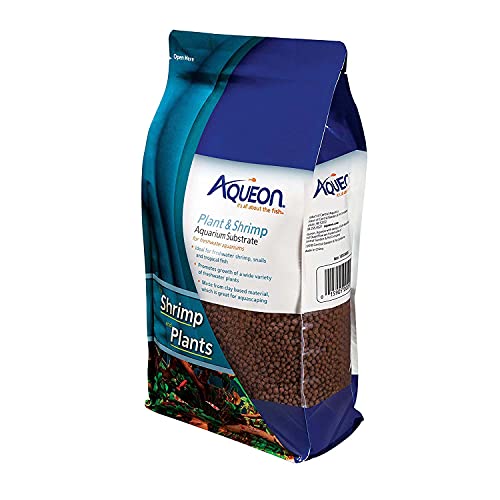
Aqueon Plant and Shrimp Substrate is a versatile option designed to support a broad range of freshwater plants along with shrimp, snails, and tropical fish. This 5-pound bag is suitable for small to mid-sized tanks and aims to promote healthy root development and plant growth. Best for beginners and hobbyists building mixed-species aquariums where easy planting matters most.
Who it’s best for: Hobbyists stocking a mixed community that includes invertebrates and plants who want a straightforward substrate with broad plant support. Why selected: It emphasizes growth across a variety of plant types, which helps new tanks establish quickly.
Caution: The product’s feature list is broad; verify depth and grain size to ensure compatibility with your tank’s substrate layer depth needs and bottom dwellers.
Fluval 12694 Plant and Shrimp Stratum

Fluval Stratum is a mineral-rich substrate designed to support robust plant growth in neutral to slightly acidic water. The 8.8-pound bag provides a balance between depth and manageability for medium-sized tanks. Its porous structure helps beneficial microbes establish quickly, contributing to a stable tank environment for plants, fish, and shrimp.
Who it’s best for: Aquarists focusing on strong root development and a healthy biological start in planted tanks. Why selected: Combines nutrient uptake support with rapid microbial colonization, enhancing overall plant vitality and water quality.
Caution: For species sensitive to pH shifts, monitor water parameters after setup as the substrate can influence menaingful changes during initial introduction of nutrients and bacteria.
Fluval Bio Stratum Mineral-rich Black Soil

Fluval’s Natural Mineral-Rich Volcanic Soil Bio Stratum enriches plant development with vibrant color. This 4.4-pound soil emphasizes nutrient availability and beneficial nitrifying bacteria expansion, supporting a balanced, plant-forward aquarium. It also aims to stabilize water chemistry, which is helpful when starting new planted tanks.
Who it’s best for: Aquarists seeking enhanced color and growth in a compact soil setup. Why selected: The combination of mineral richness and activated bacteria supports both plant health and nitrogen cycling in a single product.
Caution: The product’s nutrient release can momentarily affect sensitive species during initial setup; plan for gradual livestock introduction if you keep delicate inhabitants.
Fluval 12695 Plant and Shrimp Stratum

This larger bag version of Fluval Stratum provides the same plant and shrimp support as the 8.8-pound option but in a 17.6-pound package, making it suited for bigger tanks or long-term planted setups. It promotes robust plant growth, enables easy root penetration, and fosters rapid colonization by beneficial bacteria, while maintaining a pH range favorable to plants and common tropical inhabitants.
Who it’s best for: Experienced hobbyists or those building expansive planted tanks who want a single-substrate solution with durable performance. Why selected: Larger volume reduces replacement frequency and supports sustained plant vigor.
Caution: Heavier bag to handle; ensure tank dimensions and substrate depth can accommodate the bulk without compromising substrate layering.
Aqua Natural Delta Sand Bio-Substrate

Aqua Natural Delta Sand Bio-Substrate is a sand-based substrate seeded with bio-active nitrifying bacteria. This product is positioned as a quick-start option for cycling and plant rooting. It is designed to work as either a primary substrate or in a 1:4 ratio with matching Delta Sand products to accelerate the nitrogen cycle in new setups.
Who it’s best for: New tanks needing rapid cycling and a clean, sand-based bottom for certain plant arrangements and invertebrates. Why selected: It explicitly includes beneficial bacteria to help kickstart the nitrogen cycle, reducing wait time before livestock introduction.
Caution: Sand substrates can compact if over-stirred; ensure proper substrate depth and avoid layering too thickly in narrow-diameter tanks to prevent anaerobic pockets.
API ROOT TABS Freshwater Plant Fertilizer

API ROOT TABS deliver essential nutrients, including iron, potassium, and carbon, directly to plant roots. Packed as a 10-count box, they are designed to promote strong root development in freshwater aquariums. This product complements a robust substrate by providing ongoing nutrient access to plant roots.
Who it’s best for: Aquarists focusing on lush, rooted plant growth and steady nutrient uptake. Why selected: Targeted root nutrition can improve plant health and growth without excessive fertilizer dosing.
Caution: Root tabs require proper placement within the substrate to avoid stagnant pockets or uneven nutrient distribution near stubborn root systems.
Hygger CO2 Upgraded Aquarium Soil

Hygger CO2 Upgraded Aquarium Soil is designed for planted aquariums and aquascapes. It aims to maintain a stable pH around 6.5–7.5 and supports rapid bio-colonization while softening water and encouraging plant growth. The product notes advise careful handling during the initial setup to avoid brief fluctuations that could affect sensitive species.
Who it’s best for: Hobbyists using CO2-enhanced setups and seeking a soil that supports both plant growth and water quality. Why selected: It combines pH stability with an environment-friendly substrate that fosters healthy plant and shrimp life in planted aquariums.
Caution: Do not add directly to established tanks; allow initial nutrient release to settle with several small water changes before livestock introduction.
Buying Guide: Key Considerations For Substrate Selection
- Tank size and layout: Larger tanks benefit from bigger, heavier substrates or bulk packs to reduce frequency of replacement.
- Plant types and rooting depth: Root-heavy plants perform best with nutrient-rich soils or mineral-rich substrates that encourage deep rooting.
- Water chemistry compatibility: Versions designed to maintain neutral to slightly acidic pH suit many tropical plants and species; check your current water parameters.
- Biological cycling: Substrates seeded with nitrifying bacteria accelerate the nitrogen cycle in new tanks, reducing cycle time.
- Grain size and substrate type: Sand substrates are good for bottom-dwelling species and aquascaping, while soils encourage robust plant growth but may require occasional stirring for even nutrient distribution.
- Maintenance needs: Consider how easy the substrate is to clean and whether it tends to compact or trap debris.
Frequently Asked Questions
- What substrate is best for planted freshwater tanks?
– A mineral-rich or nutrient-dense soil-like substrate is typically best for rooting plants, with soils such as Fluval Stratum or similar products providing nutrients and a favorable root zone. - Do I need to cycle my aquarium substrate?
– Some substrates include dormant or live nitrifying bacteria that help initiate the nitrogen cycle; others require a conventional cycle period. Follow product guidance and monitor water parameters. - Can I mix different substrates in one tank?
– Yes, especially when combining a base soil with a sand cap to control rooting depth and substrate aesthetics. Ensure even layering to avoid creating anaerobic pockets. - How often should I replace substrate?
– Replacement depends on tank setup and plant needs. Most hobbyists replace or refresh portions rather than full-substrate changes, particularly in established tanks. - Is CO2-related substrate better for shrimp tanks?
– Substrates that stabilize pH and support robust plant growth typically benefit shrimp by providing shelter and a healthy plant canopy; avoid excessively sharp changes in water chemistry. - Do root tabs replace soil substrate?
– Root tabs support nutrient delivery to plants with root systems, but they are typically used in conjunction with a substrate that holds nutrients and fosters rooting.