For deer enthusiasts, selecting the right forage peas can boost late-season forage, improve soil health, and extend feeding windows. The following selections emphasize cold tolerance, high protein content, and broad regional suitability. Each product highlights why it’s favored for deer attraction and how it fits into a year-round food plot strategy. The list focuses on established blends and single-species peas designed to perform in varied climates across the United States.
Summary of chosen products:
- Whitetail Institute Winter Peas Plus Deer Food Plot Seed
- Evolv ed Harvest 7 Card Stud Adaptive Food Plot Seed
- Evolved Habitats Throw & Gro X-treme w/Radish
- Outsidepride Austrian Winter Peas Seeds – 5 lbs
- Domain Outdoor Green Machine Deer Food Plot Seed
Whitetail Institute Winter Peas Plus

Whitetail Institute Winter Peas Plus Deer Food Plot Seed is designed for max deer attraction into the late season with superior cold tolerance. The mix is composed of over 80% winter peas and is rich in sugar and protein to support antler development and overall herd health. This blend has been tested for high deer appeal, particularly in cooler periods when other forage is scarce. The seed is suitable for small plots, providing substantial winter forage for a .25 acre area, and emphasizes resilience in cold climates.
Evolved Harvest 7 Card Stud Adaptive Seed

This no-fuss blend combines triticale, oats, winter peas, clover, chicory, turnip, and radishes to offer a full-season forage solution. It’s high in protein and minerals, supporting deer hunger periods while attracting regular hoof traffic. The 7 Card Stud mix is noted for adaptability to diverse regions and climates, making it a versatile choice for property owners seeking a single blend to cover early, mid, and late seasons.
Evolved Habitats Throw & Gro X-treme with Radish
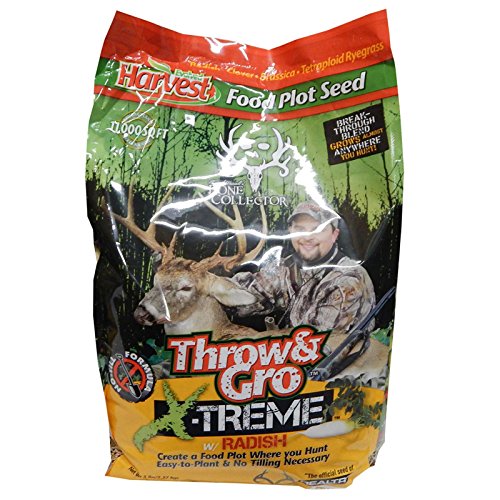
Throw & Gro X-treme adds radish to the original no-till formula, delivering fast-growing forage with high protein and mineral content. This option is ideal for creating a personal plot that requires zero tilling, while radishes help break up soil and provide a quick source of forage. The no-till approach expands planting opportunities and reduces equipment needs, making it practical for small to mid-sized plots and challenging sites.
Outsidepride Austrian Winter Peas – 5 Lbs

These Austrian winter peas are a cold-hardy legume ideal for deer food plots and soil health. They thrive in USDA Zones 6–9 and can fix nitrogen to improve soil structure while providing high-protein forage. The plants grow densely, offering erosion control and a vibrant canopy that supports deer activity through fall and into winter when other feed sources decline.
Outsidepride Austrian Winter Peas – 1 oz
This smaller packaging option mirrors the 5 lb variant’s benefits, delivering cold-hardy, nitrogen-fixing peas suitable for weed suppression and deer forage. Ideal for small plots, it supports soil health, erosion control, and can be integrated with other forage blends to sustain deer visits across seasons.
Big Tine Food Plot Mix

Big Tine’s mix combines peas with tubers for early-season forage and winter energy. Its palatability and robust winter hardiness help maintain deer activity during late autumn and winter, offering a diverse feed profile that can supplement single-species peas with other forage components for varied diets and habitat needs.
Domain Outdoor Green Machine

Green Machine blends winter wheat, forage oats, winter peas, forage rape, and radish to create a highly attractive fall and winter food source. Its design aims to stay green into winter, ensuring ongoing forage and consistent deer activity. Selection emphasizes quick germination, cold tolerance, and broad appeal across geography, making it suitable for a primary or supplementary plot seed mix.
Buying Guide: Key Purchase Considerations
- Cold tolerance and growing season: Forage peas with strong cold tolerance extend feeding windows in northern regions, while warm-weather blends suit southern plots.
- Protein content and mineral balance: Higher protein and mineral content tends to attract more deer and support antler growth, particularly in late fall and early winter.
- Soil health benefits: Legume peas fix nitrogen, improving soil structure and reducing fertilizer needs for subsequent crops.
- No-till and ease of planting: No-till options reduce labor and equipment requirements, enabling easier establishment in marginal plots.
- Plot size and density: Match your seed type and blend to your plot size (e.g., 0.25 acre). Dense canopies offer better erosion control and forage continuity.
- Regional adaptability: Choose blends proven to perform across multiple climates or specifically tested for your area to maximize returns and deer visits.
- Supplemental components: Some blends include tubers, radishes, or chicory—consider diversity to support deer nutrition across seasons.
- Germination and soil preparation: Follow label directions for soil conditioning, sowing depth, and moisture, especially for no-till systems.
When selecting forage peas for deer, consider not only peak attraction but also how the seed choice complements your overall habitat plan. A mix that includes nitrogen-fixing peas, robust winter greens, and root crops can provide sustained forage and soil health benefits, supporting deer populations through harsh winters and variable weather patterns.