If your garden features acid-loving plants like azaleas, camellias, rhododendrons, or blueberries, choosing the right plant foods is essential. This guide highlights five well-suited fertilizers and soil amendments to help these plants thrive in home gardens and indoor pots. Each option targets lower soil pH, essential micronutrients, and robust blooms. The top picks cater to different growing scenarios, from container plants to in-ground beds, and are chosen for clarity, availability, and impact on acid-loving species.
The following table summarizes the five featured products, their primary benefits, and best-use scenarios. Use it as a quick reference when comparing the options.
| Product | Best For | Key Benefit | Type |
|---|---|---|---|
| Miracle-Gro Water Soluble Azalea, Camellia, Rhododendron Plant Food | Indoor and outdoor acid lovers | Instant feeding for rapid green-up and blooms | |
| GARDENWISE 8-4-8 Acidic Fertilizer | Soil that needs pH adjustment | Enriched with magnesium, iron, manganese; promotes chlorosis prevention | |
| Scotts Miracid Water Soluble Plant Food | Quick feeding for acid lovers | Dual root and foliar feeding for faster uptake | |
| Down To Earth All Natural Fertilizers Organic Acid Mix | Outdoor beds and edible acid lovers | Low-pH mix for long-term soil health | |
| Earth Science Fast Acting Sulfur Granules | Soil needing pH reduction | Immediate pH lowering and improved nutrient uptake |
Miracle-Gro Water Soluble Azalea, Camellia, Rhododendron Plant Food

Best for: Indoor and outdoor acid-loving plants that require quick nutrient delivery. This water-soluble formula feeds azaleas, camellias, rhododendrons, gardenias, hibiscus, hollies, hydrangeas, and even orchids. It’s especially useful for potted plants on shelves or tabletops where soil biology may be limited. The product provides immediate nourishment when dissolved in water, making it a practical choice for busy gardeners.
Why selected: It targets acid-loving species with a straightforward application method and fast results, supporting rapid color and growth in both containers and garden beds. A potential limitation is that frequent feeding requires careful measurement to avoid nutrient burn in sensitive soils.
Caution: Use as directed; avoid over-fertilizing potted specimens, which can lead to salt buildup and leaf burn.
GARDENWISE 8-4-8 Acidic Fertilizer

Best for: Acid-loving shrubs and perennials that need both nutrition and soil pH adjustment. This formula provides essential micronutrients such as magnesium and iron, helping prevent chlorosis in azaleas, camellias, rhododendrons, hydrangeas, blueberries, and evergreen species.
Why selected: It emphasizes soil acidification while delivering key nutrients. The product also features a bio-solid component that introduces live microbes to support soil health. Limitation: the vendor highlights a specialized soil amendment aspect, which means you may need to combine with other nutrient sources if growth demands exceed the acidification capacity.
Caution: Monitor soil pH and irrigation to avoid over-acidification in sensitive landscapes.
Scotts Miracle-Gro Miracid Acid-Loving Plant Food
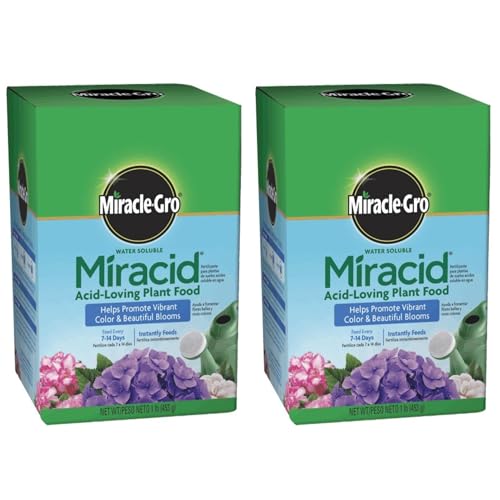
Best for: Fast-acting feeding for acid-loving plants, particularly azaleas, hydrangeas, and rhododendrons. It delivers nutrients quickly through both roots and leaves, supporting robust flowering and foliage when applied as directed.
Why selected: The dual feeding approach helps ensure uptake from multiple pathways, which can be beneficial for plants showing nutrient deficiencies. Limitation: being a brand-specific product, it may require adherence to schedule and dosage to prevent oversupply in sensitive soils.
Caution: Avoid over-application; follow the label for dilution and frequency to protect plants in container settings.
Down To Earth All Natural Fertilizers Organic Acid Mix

Best for: Outdoor beds and edible crops that require a naturally low pH and enhanced soil biology. This 4-3-6 mix is designed for acid-loving plants like rhododendrons, azaleas, camellias, hydrangeas, and blueberries.
Why selected: It’s an all-natural option that blends low-pH chemistry with beneficial soil organisms to support long-term soil health. Limitation: Organic blends can work more slowly than synthetic options, so results may take longer to become evident.
Caution: Apply according to the seasonal guidance; early spring applications spur vegetative growth, while late-season use supports root development before winter.
Earth Science Fast Acting Sulfur Granules

Best for: Soils that are too alkaline for acid-loving plants or when quick pH reduction is needed. Sulfur granules act to lower pH, improving nutrient availability for plants such as hydrangeas, azaleas, and blueberries.
Why selected: This product provides a quick, observable change in soil chemistry, which can help plants take up nutrients more efficiently. Limitation: The effect depends on soil type and microbial activity; in some soils, results may take time to manifest.
Caution: Use protective equipment when handling sulfur granules and monitor pH changes gradually to avoid overshoot in pH reduction.
Buying Guide: Key Considerations For Acid-Loving Plants
What should you consider before buying? Start with soil pH, plant species, and whether you need immediate nutrient delivery or long-term soil health improvements. Consider these questions:
- Do I need quick feeding for container plants or long-term soil modification for in-ground beds?
- Is my soil pH already high and in need of a rapid reduction, or do I need regular micronutrient support to prevent chlorosis?
- Are you feeding edible acid lovers (blueberries, strawberries) or ornamental shrubs (azaleas, rhododendrons)?
- Do you prefer organic or synthetic formulations, and how important are microbial or bio-solid components?
- What application method fits your routine—water-soluble solutions, granular spreads, or sulfur-based amendments?
Practical guidance for use:
- Follow product directions for dilution and frequency to prevent nutrient burn.
- Test soil pH periodically to determine if you need ongoing acidification or adjustments.
- When using soil acidifiers, monitor leaf and bloom color as indicators of plant response.
FAQ: Acid-Loving Plant Fertilizers And Soil Amendments
- What is the best fertilizer for azaleas and rhododendrons?
– A product that supports both iron uptake and soil acidity, such as an 8-4-8 acid-loving formula, can be effective for overall vigor and color. - Do acid-loving plants need frequent feeding?
– It depends on soil pH and plant health. Container plants may require more frequent feeding, while established in-ground beds may benefit from seasonal applications.
- Can I mix soil acidifiers with regular fertilizers?
– It’s possible but should be done with caution to avoid over-acidification or salt buildup. Always follow product instructions and consider testing soil pH first. - Is organic acid mix better than synthetic options?
– Organic mixes support soil biology and long-term health, but synthetic options can provide faster results. Choose based on goals and patience for results. - How do I know if my plant needs more iron or magnesium?
– Symptoms of chlorosis (yellowing leaves with green veins) and poor blooming often indicate iron deficiency; magnesium deficiency typically shows interveinal yellowing on older leaves. A soil test can confirm specific nutrient gaps.