Zone 7 gardeners enjoy mild winters and warm summers, offering a great canvas for flowering trees that provide color, fragrance, and ecological benefits. The following selections are well-suited to Zone 7 climates, combining ornamental blooms with garden practicality. Each pick includes key features to help you compare choices for sunny borders, patios, or entryways.
| Product | Type | Zone Range | Key Benefit |
|---|---|---|---|
| Camellia Plants Live (Yellow White) | Flowering shrub/tree | 7-10 | Bright winter-to-spring blossoms; evergreen foliage |
| Temple of Bloom Heptacodium | Flowering shrub/tree | 5-9 | Long-lasting summer bloom with striking seed heads |
| Camellia Plants Live (White) | Flowering shrub/tree | 7-10 | Elegant white blooms; versatile indoor/outdoor appeal |
| White Dogwood Tree | Flowering tree | Zone 5-9 | Classic spring blooms and bright red berries for wildlife |
| June Gold Peach Tree | Fruit tree with flowers | 6-9 | Self-pollinating peaches; pink blossoms; edible fruit |
Note: The selection below focuses on flowering character, climate compatibility for Zone 7, and the ability to adapt to mixed borders or container plantings. Consider site sun exposure, soil drainage, and space when choosing between shrub-like and tree-form varieties.
Camellia Plants Live, Yellow White Fragrance

Camellia plants deliver evergreen foliage and abundant blooms that brighten cool months. The yellow and white varieties provide contrast against dark green leaves, making them suitable for borders, patios, or container planting. These well-rooted plants arrive ready for transplanting and can be grown outdoors in Zone 7 or indoors in brighter indoor locations during colder periods. Camellias prefer rich, well-drained soil and partial shade in hotter climates, which helps protect blooms from scorch while maintaining lush foliage.
Camellia Plants Live, White Flowering

This white-flowering Camellia offers a classic garden elegance with bright spring blooms and glossy evergreen leaves. Delivered as a well-rooted plant in a pot, it’s adaptable for garden beds or shaded outdoor spots. Suitable for Zones 7-10 outdoors and a sunny indoor corner when temperatures dip, Camellias bring a refined, flowering presence during the late winter to early spring window. Proper watering and shelter from harsh afternoon sun help extend bloom cycles and overall plant vitality.
Temple Of Bloom® Heptacodium
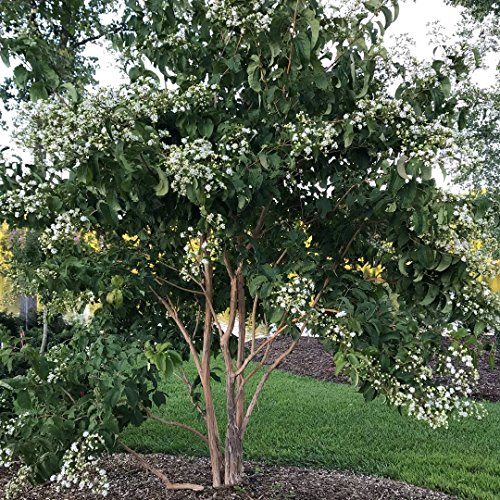
The Temple of Bloom offers a dramatic late-summer display with red and white flowers and attractive seed heads that persist into fall. The plant supports Zones 5-9, making it a versatile addition for Zone 7 landscapes seeking structure and extended seasonal interest. This cultivar typically reaches a substantial mature height, so it works well as a focal point in mixed borders or as a specimen tree. Regular pruning after bloom helps maintain shape and vigor.
Generic The White Dogwood Tree

White Dogwood is a classic landscape staple, offering showy spring blooms and bright red berries that attract birds later in the season. Suitable for Zone 5-9, it adapts well to Zone 7 gardens with full to partial sun. The tree’s distinctive four-petaled flowers bring early-season color, while the berries contribute ecological value for wildlife. It’s important to consider space needs as dogwoods can reach substantial heights and widths, and soil drainage should be well-managed for best performance.
Harvester Peach Tree

The Harvester Peach Tree is a self-pollinating option that produces pink flowers and edible peaches, well-suited for Zone 6-9. While shipping restrictions apply to certain states, Zone 7 growers can enjoy a productive, compact tree. The plant is typically delivered in a nursery pot and can be grown as a small tree or layered as a multi-trunk shrub in a larger landscape. Proper pruning and sun exposure maximize fruit quality and bloom display. Note that regional agricultural regulations may influence availability.
June Gold Peach Tree
June Gold Peach Tree is a self-pollinating option in Zones 6-9, delivering pink blossoms in spring and tasty peaches in summer. This cultivar adapts to Zone 7’s climate and can be grown in a nursery pot or planted in the ground, making it versatile for yards with variable space. As a fruiting tree, it benefits from full sun, consistent watering, and well-drained soil. Regular pruning helps maintain shape and encourages larger fruit production.
Buying Guide: Key Purchase Considerations For Zone 7 Flowering Trees
When selecting flowering trees for Zone 7, consider bloom timing, foliage behavior, and space requirements. If you want year-round interest, mix evergreen options such as Camellias with deciduous flowering trees like Dogwood or Peach to achieve seasonal color. Evaluate root systems and container compatibility if you plan to grow trees in pots or restricted spaces. Assess sun exposure, soil drainage, and irrigation needs; most flowering trees prefer near-full sun and well-drained soil for optimal blooms.
Other important factors include maintenance needs, pest resistance, and eventual height. For smaller landscapes, select compact cultivars or multi-trunk forms to maximize border coverage without crowding. If you aim for edible fruit, peaches provide dual purpose: ornamental spring blossoms plus harvestable fruit, contributing to both beauty and utility. Always verify local agricultural guidelines before purchasing plant stock that may be subject to state shipping restrictions.
In sum, Zone 7 gardeners have a broad palette of flowering trees and shrubs to choose from. The options above balance ornamental appeal, climate suitability, and practical growing considerations to help you craft a vibrant landscape that thrives through multiple seasons.