Spring planting brings a burst of color and the joy of watching blooms emerge. This guide highlights top flower seeds that perform well in American gardens, attract pollinators, and provide lasting beauty across seasons. Each pick is chosen for easy germination, broad soil tolerance, and strong garden impact. Explore five standout options below, plus a practical buying guide to help you compare varieties and plan your spring sowing.
| Product | Type | Key Benefit | Seed Count |
|---|---|---|---|
| Burpee Wildflower 25,000 Bulk | Wildflower Mix | Pollinator-friendly, 14+ varieties | 25,000 |
| HOME GROWN Zinnia Dahlia Seeds | Zinnia + Dahlia Pack | Vibrant doubles, long-lasting blooms | 524 |
| Wildflower Seeds Bulk – Mountain Valley | Pollinator Mix | 23 varieties, 80,000+ seeds | 80,000+ |
| Black Eyed Susan Seeds – NatureZ Edge | Perennial/Annual Mix | High germination, abundant color | 5,000 |
| Burpee Fast Blooming 25,000 | Wildflower Mix | Early bloom, 14 varieties | 25,000 |
These selections cover a range of garden styles—from cottage borders to pollinator meadows—while staying adaptable to common American soils and spring conditions. The following product sections provide concise overviews, planting notes, and suitability for yards, containers, or landscape beds.
Burpee Wildflower 25,000 Bulk: Pollinator Seed Mix

This bulk wildflower seed mix focuses on easy growing and broad coverage, with 14 North American wildflower varieties designed to attract pollinators. It’s suitable for sunny, open areas and soil types typical in many American gardens. The package notes a non-GMO composition and the potential to cover up to 1,000 square feet, making it a practical option for large sunny beds or meadow-style plantings. Ideal for gardeners seeking a carefree, pollinator-friendly display that blooms across spring to fall in appropriate conditions.
HOME GROWN Zinnia Dahlia Seeds Pack
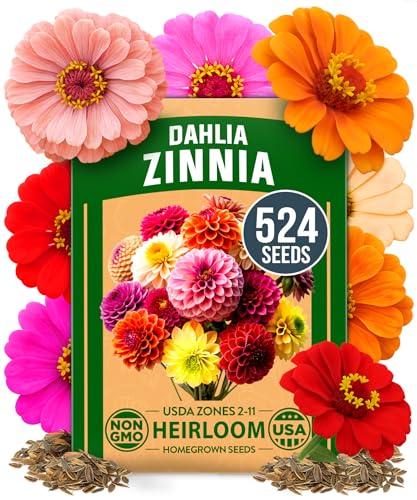
This 524-seed collection features Zinnia and Dahlia varieties known for bold color and abundant blooms. The seeds are described as high-germination and beginner-friendly, with blooms that transition from midsummer to fall. The mix supports container, border, and cut-flower use, making it versatile for both small urban spaces and larger garden plots. Expect red, pink, orange, and white tones with double-flower forms that add a touch of regal elegance to borders and bouquets alike.
Wildflower Seeds Bulk – Mountain Valley

This 80,000+ seed mix includes 23 varieties designed for hummingbirds, butterflies, and general pollinator support. The mix is described as a premium, North American-friendly blend that covers about 250 square feet. It combines annuals and perennials so you can enjoy color year after year. With a focus on attracting diverse pollinators, this option is well-suited for meadows, large borders, and eco-friendly garden designs that emphasize biodiversity.
Black Eyed Susan Seeds – NatureZ Edge

NatureZ Edge offers an abundant bloom profile with non-GMO, open-pollinated Black-Eyed Susan seeds. These are suited to garden beds, borders, and containers, providing reliable germination and a classic late-summer to early-fall display. The seeds are ideal for gardeners seeking low-maintenance perennials or annuals to anchor borders with cheerful, long-lasting yellow flowers that readily attract pollinators.
Burpee Fast Blooming 25,000: Early Wildflower Mix

This early-blooming mix features 14 wildflower varieties selected for quick emergence and rapid color. It’s designed to attract bees and butterflies while providing a large bloom display in a shorter timeframe than typical wildflower mixes. The bulk bag makes it suitable for expansive sunlit borders or meadow-style plantings, with coverage that suits a variety of soil types after frost danger passes.
Buying Guide
Key considerations for spring seed purchases
- Pollinator appeal: Look for mixes labeled as attracting bees, butterflies, or hummingbirds to maximize ecological benefits in your yard.
- Seed count and coverage: Consider bags offering higher seed counts for larger areas; note stated coverage to plan borders, meadows, or containers.
- Germination and seed type: Non-GMO and high-germination seeds tend to establish more reliably. Decide between annuals, perennials, or mixed options based on maintenance and bloom duration goals.
- Bloom time and color palette: Choose varieties with staggered bloom times for extended color, and select colors that complement your landscape and containers.
- Soil and sun requirements: Most wildflower and zinnia/dahlia mixes prefer sunny spots and well-drained soil; confirm local frost dates and soil type compatibility.
Comparative perspectives
- Bulk wildflower mixes (Burpee, Mountain Valley, Burpee Fast Blooming) offer extensive coverage and diverse color, suitable for meadows or expansive borders, with minimal maintenance beyond initial sowing.
- Zinnia-dahlia blends (HOME GROWN) provide dramatic, long-lasting blooms ideal for bouquets and container plantings, though they may require more consistent moisture and sun exposure.
- Black-Eyed Susan blends (NatureZ Edge) deliver classic, reliable perennials or annuals that perform well with lower maintenance and steady pollinator interest.
- Consider choosing a core mix for broad pollinator support and supplementing with a focal plant in containers to create a cohesive spring display.
For best results, prepare a sunny, well-drained planting area, lightly amend soil if needed, and follow sowing instructions on seed packets. Water consistently during establishment and monitor for frost risk in early spring in cooler regions. With these selections, your spring garden can achieve vibrant color, ecological benefits, and enjoyable curb appeal in the weeks ahead.