Floating aquarium plants add natural beauty, help manage nutrients, and provide shade for shy fish. This guide highlights five well-regarded options that balance aesthetics with practical benefits, making them ideal for both beginners and seasoned aquarists. Each listing includes a quick look at size, leaves, and care needs to help you decide which is right for your setup.
| Product | Brand | Leaves / Coverage | Notes |
|---|---|---|---|
| Aquarigram 40+ Leaves Red Root Floaters | Aquarigram | 40+ leaves | Includes mystery bonus plant; helps remove ammonia and metals |
| Red Root Floater Live Aquarium Plants | Generic | 40+ leaves | Red-purple undersides; moderate to high light preferred |
| 30+ Leaves Red Root Floaters | Shore Aquatic | 30+ leaves | Includes mystery bonus plant; good nutrient uptake |
| Water Spangle, Salvinia Minima | Aquarium Plant Center | 12 plants (60+ leaves) shown for coverage | Low to moderate light; avoid heavy surface agitation |
| 20+ Leaves Amazon Frogbit | Aquarigram | 20+ leaves | Mystery bonus plant; strong bio-filter potential |
These selections emphasize a mix of high-leaf-density floaters for quick coverage, along with plants that contribute to water quality. They suit small to medium tanks and pair well with light, low-maintenance setups. Below, each product is explored with key features and practical considerations.
Aquarigram 40+ Leaves Red Root Floaters

The Aquarigram package emphasizes a substantial leaf count, delivering a robust population that begins immediately in an established aquarium. Features highlight a combined total of 40 leaves or more, a mystery bonus plant, and a notable role in promoting water health by removing toxins such as ammonia, nitrates, and heavy metals. This makes the plant suitable for tanks needing rapid surface coverage and stronger nutrient uptake, particularly in setups with moderate to high feeding. For best results, provide gentle light and stable water flow to maintain leaf integrity and color.
Red Root Floater Live Aquarium Plants
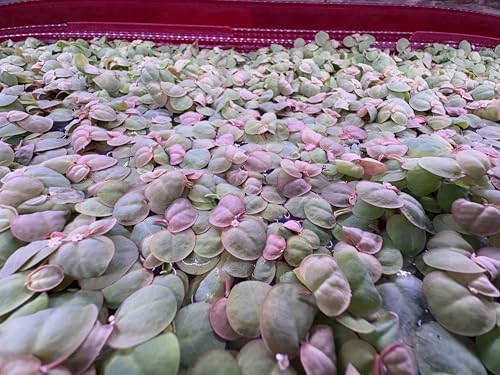
This Red Root Floater offers a classic floating carpet with distinctive red-purple undersides and green tops. With at least 40 leaves, it provides dense surface coverage while helping to moderate light and contribute to nutrient uptake through its roots. It performs well under moderate to high light, though the developer notes that consistent, gentle water movement is preferable. The plant’s natural hunger for nutrients makes it an effective ally against algae when paired with appropriate light and regular maintenance.
30+ Leaves Red Root Floaters
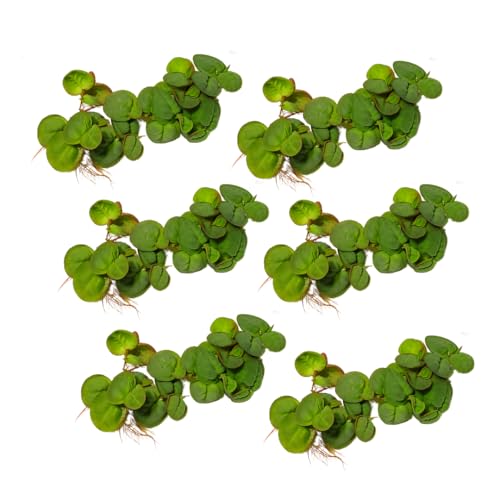
Shore Aquatic’s 30+ Leaves Red Root Floaters present a reliable option for immediate surface coverage, featuring 30 or more leaves and a surprise bonus plant. Like other red root floaters, this variety contributes to color contrast and can assist with nutrient balance in the display tank. It tolerates a range of conditions but tends to prefer stable temperatures and steady light. This product is suitable for nano to mid-sized tanks seeking a dense floating canopy.
Water Spangle, Salvinia Minima

Water Spangle Salvinia Minima provides a different floating dynamic with its compact 12-plant density and 60+ leaves shown in the listing. This fern-like floating plant appreciates low to medium light and tends to thrive in calm, well-lit tanks. It serves as a natural biofilter by shading the water surface and reducing light intensity, which can help deter algae when paired with proper filtration and water changes. Aquarium keepers should monitor temperature and avoid placing it in environments with strong surface agitation.
20+ Leaves Amazon Frogbit

The Amazon Frogbit is noted for its 20 or more leaves and a mystery bonus plant. This floating plant is known for its strong bio-filter potential, supporting water quality by absorbing excess nutrients and providing surface area for beneficial bacteria. Frogbit can thrive with moderate lighting and does not require soil, making it a versatile choice for many aquariums. Its growth is robust, so regular trimming can keep the surface from becoming overly dense and blocking gas exchange at the surface.
Buying Guide
Key considerations when choosing floating aquarium plants:
- Light requirements: Most floaters prefer at least moderate light. Pushing lighting too high can intensify colors but may also lead to faster growth and more frequent trimming.
- Light surface agitation: Excessive water movement can hinder root development and cause leaves to curl. A gentle current supports healthier leaves and nutrient uptake.
- Tank size and cover: Dense leaf coverage is effective in small to medium tanks but may overwhelm a nano setup if not pruned. Ensure there’s adequate space for roots to develop without causing suffocation of other plants.
- Nutrient balance: Floating plants compete for nutrients with other tank inhabitants. They help reduce ammonia and nitrates but should be part of a balanced fertilization and filtration plan.
- Temperature and compatibility: Most floating species tolerate typical tropical aquarium temperatures but verify species-specific preferences if you keep sensitive fish.
- Maintenance: Regular trimming keeps surface light balanced and prevents plant debris from decomposing in the water column, which can affect water quality.
- Aquarium layout goals: Use floaters to create shade, control light for foreground plants, or establish a natural retreat for fry and shy species.
These five options offer a spectrum of density, color, and growth behavior to fit various tank sizes and aesthetic goals. When selecting, consider how much surface coverage you want, the lighting your setup provides, and how actively you plan to prune and manage plant growth over time.