Stock tanks and troughs rely on accurate water level control to keep livestock hydrated and reduce waste. The following float valves are designed to automatically regulate water levels, resisting leaks and adapting to different tank materials. This guide highlights five top options, outlining their construction, flow rates, and mounting considerations to help you choose the right valve for your setup.
| Product | Brand | Key Feature | Link |
|---|---|---|---|
| Little Giant Trough-O-Matic Aluminum Housing | Little Giant | Aluminum housing; up to 245 GPH; 20–50 psi | Amazon |
| Little Giant Trough-O-Matic Plastic Housing | Little Giant | Plastic housing; up to 245 GPH; 20–50 psi | Amazon |
| 3/4 Inch Stainless Steel Float Valve | shawmin | 304 stainless; adjustable 6″ float ball; splash-proof | Amazon |
| Rubbermaid Stock Tank Float Valve | Rubbermaid | Universal hose connection; four-season durability | Amazon |
| Toldear Water Trough Float Valve (2 pack) | Toldear | Corrosion-resistant materials; automatic shut-off | Amazon |
Little Giant Trough-O-Matic Aluminum Float Valve for Stock Tanks

The Little Giant Trough-O-Matic with aluminum housing is designed for durability in both plastic and metal stock tanks, troughs, barrels, and pans. This model provides a high-flow solution suitable for busier setups, capable of about 245 gallons per hour and operating between 20 and 50 psi. The aluminum housing offers corrosion resistance in outdoor environments, helping to maintain long-term performance in farms, ranches, or homesteads where tanks are subjected to weather and mineral deposits.
Key advantages include automatic water level control that reduces manual refilling, a straightforward installation process, and a reliable shut-off as the water reaches the set level. The valve is compatible with many common stock-tank configurations, which makes it a versatile choice for livestock watering systems. Operators should ensure compatible hose connections and confirm that the tank’s pressure aligns with the unit’s operating range to maximize efficiency.
Little Giant Trough-O-Matic Plastic Housing Float Valve

This version uses a high-grade plastic housing while maintaining the 245 GPH flow and 20–50 psi operating window. Plastic housing can be advantageous in environments where metal corrosion is a concern or where a lighter-weight unit is preferred for ease of handling and installation. The core functionality remains identical to the aluminum model: automatic water level control that helps prevent overfilling and reduces water waste in stock tanks, troughs, barrels, and pans.
Consider the climate and tank material when selecting plastic vs. aluminum. Plastic housing can be more cost-effective upfront, while aluminum may offer enhanced durability in dusty or abrasive settings. Ensure compatibility with mounting brackets and that the expansion brackets provided fit your tank dimensions for secure operation over time.
3/4 Inch Stainless Steel Float Valve for Water Tanks

Made from heavy-duty 304 stainless steel, this valve emphasizes durability and resistance to rust and corrosion, making it suitable for demanding environments like farms, dairies, and industrial water systems. The valve features an adjustable 6-inch float ball to fine-tune the shut-off height, promoting precise water level control and helping prevent overflow in livestock tanks and irrigation lines. A 90-degree elbow with a sealing plug reduces splash and leaks, which supports cleaner water delivery in ponds or troughs.
The stainless design is an important consideration where mineral-rich water or frequent cleaning is expected. While it may come at a higher upfront cost, the durability and reliability can translate into lower maintenance costs over time. Users should verify thread size compatibility with their existing plumbing and ensure that mounting clearance around the tank allows for the valve’s angle adjustments.
Rubbermaid Commercial Stock Tank Float Valve
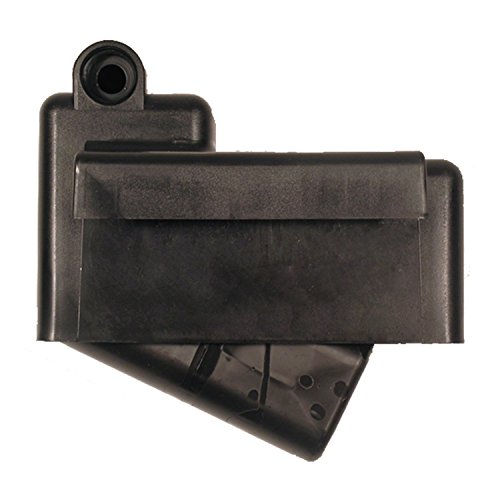
The Rubbermaid float valve is designed for versatility across Rubbermaid stock tanks and other compatible models. It features a hose connection that accepts standard hoses, enabling straightforward plumbing and waterline setup. Built for performance in varied weather, this valve aims to deliver consistent water levels through all four seasons, helping to ensure livestock have reliable access to fresh water and reducing manual refill frequency in harsh outdoor conditions.
In choosing this valve, consider hose compatibility, mounting orientation, and the potential need for an external bracket or stand. Rubbermaid’s construction emphasizes durability, but users should verify that the hose diameter and connection thread match their existing infrastructure to minimize leaks and ensure a secure seal.
Toldear Water Trough Float Valve (2 Pack)

The Toldear float valve set includes two units with corrosion-resistant materials designed to withstand agricultural and aquatic conditions. The valve uses a high-grade plastic float valve element with an alloy bracket and copper hardware sealed with Ptfe tape. It supports automatic shut-off and continuous supply by responding to changes in water level. This option is suitable for multi-tank setups or for households managing several troughs simultaneously.
Key considerations include the compatibility of the metal bracket with your tank’s design, the ease of installation, and the availability of appropriate hose or pipe connections. The two-pack configuration can be cost-effective for expanding a watering system or replacing worn units across farm equipment, nurseries, or equestrian facilities.
Buying Guide: Key Purchase Considerations
- Tank material compatibility: Aluminum, plastic, and stainless steel housings each suit different environments. Aluminum is strong and light; plastic is cost-effective and resistant to some corrosion types; stainless steel offers the ultimate durability in harsh conditions.
- Flow rate and pressure range: Most stock-tank valves operate within a wide psi range and provide hundreds of gallons per hour. Match the valve’s flow capacity to your tank size and water supply pressure to ensure timely refill without overflow.
- Float mechanism: Height and weight of the float ball affect shut-off precision. Adjustable floats allow fine-tuning for seasonal water level changes and different livestock needs.
- Connection and compatibility: Check thread sizes (FNPT/URL) and hose connections to ensure proper fit with your existing plumbing and hoses. Consider 90-degree elbows or splash-proof designs to minimize water waste.
- Durability under weather and cleaning: Outdoor equipment endures temperature swings, sun exposure, and cleaning chemicals. Materials like stainless steel or sealed plastics tend to offer longer service life in harsh environments.
- Ease of installation: Some units include brackets or mounting hardware; others may require drilling or minor modifications. Evaluate the space around your tank and the mounting method that best suits your setup.
- Multi-tank setups: For facilities with several stock tanks, consider a two-pack or multi-pack option to simplify replacements and maintain consistent water levels across tanks.
- Maintenance needs: Regular inspection for leaks, mineral buildup, and wear on seals helps prevent sudden failures. Choose valves with easily replaceable components where possible.
When selecting a float valve, assess your specific water source, the tank size, and how many tanks require coverage. For users prioritizing durability in outdoor conditions, stainless steel and aluminum units are strong bets. For cost-conscious upgrades or temporary setups, plastic-housing options provide reliable performance at a lower upfront cost. The included buying guide helps balance these considerations to support steady, automatic water supply for livestock and irrigation systems.