Choosing the right soil substrate is essential for robust plant growth, stable water chemistry, and a thriving freshwater ecosystem. This guide highlights five highly compatible options that support plant development, beneficial bacterial colonization, and safe conditions for fish and shrimp. Each product features nutrient-rich compositions, pH stabilization, and ease of use for both new and seasoned aquarists.
| Product | Brand | Key Benefit |
|---|---|---|
| Fluval Plant and Shrimp Stratum | Fluval | Supports neutral to slightly acidic pH; promotes root growth |
| Aqueon Plant and Shrimp Substrate | Aqueon | Versatile for plants, shrimp, and snails |
| Fluval Mineral-Rich Volcanic Soil Bio Stratum | Fluval | Nutrient-rich with rapid nitrogen-cycle activation |
| Fluval Plant and Shrimp Stratum (4.4 lb) | Fluval | Neutral to slightly acidic pH; supports newborn shrimp |
| FZONE Aquarium Soil for Planted Tanks | FZONE | Nutrient-rich formula with stable pH and dust-free |
Below is a curated overview of five substrates well-suited for planted aquariums, with attention to plant health, water quality, and compatibility with tropical fish and shrimp.
Fluval 12694 Plant And Shrimp Stratum

Fluval’s Stratum is designed to encourage robust plant growth by enabling easy root penetration and nutrient absorption. The porous structure supports rapid colonization by beneficial nitrifying organisms, helping to establish a healthy nitrogen cycle. Its pH-friendly profile aims to maintain a neutral to slightly acidic range, which suits many popular aquatic plants, tropical fish, and shrimp. This substrate is well-suited for densely planted community tanks where plant vitality directly influences overall water quality.
Key Features
- Promotes robust plant growth through improved root access to nutrients
- Porous structure supports rapid beneficial bacteria colonization
- Helps maintain a stable, neutral to slightly acidic pH
Aqueon Plant And Shrimp Substrate
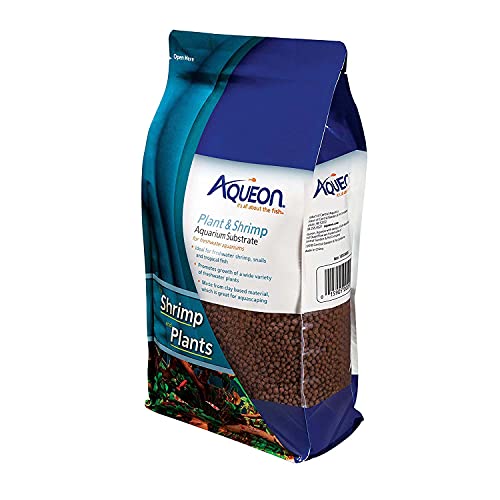
Aqueon’s Plant and Shrimp Substrate is offered in a 5-pound bag and provides versatility for a broad range of freshwater plants, shrimp, snails, and tropical fish. The formula aims to promote growth across a wide spectrum of aquatic flora, supporting a diverse tank community. Its composition is geared toward easy implementation for hobbyists seeking a reliable base layer for planted aquariums with mixed fauna.
Key Features
- 5-pound bag suitable for mid-sized to large tanks
- Versatile for plants, shrimp, snails, and tropical fish
- Supports growth of a wide variety of freshwater plants
Fluval 12696 Natural Mineral-Rich Volcanic Soil Bio Stratum

Fluval’s volcanic soil Bio Stratum is mineral-rich and designed to support healthy plant development with vibrant coloration. It activates beneficial water conditions upon contact with water by introducing dormant nitrifying organisms, helping to initiate the nitrogen cycle quickly. The substrate also stabilizes water conditions by reducing ammonia levels, fostering a balanced habitat in new setups and reducing the risk of early stress for plants and aquatic animals.
Key Features
- Enriched with minerals to support plant vigor and color
- Activates beneficial bacteria to kick-start the nitrogen cycle
- Stabilizes water by reducing ammonia levels
Fluval 12693 Plant And Shrimp Stratum
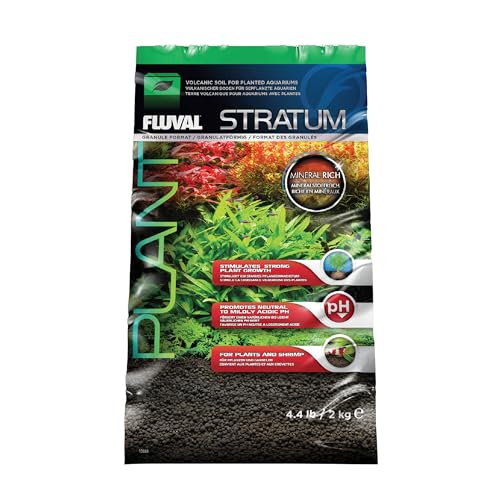
This version of Fluval’s Stratum emphasizes rapid and beneficial colony formation of nitrifying organisms, essential for a healthy microbial balance. The substrate maintains a neutral to slightly acidic pH, aligning with a broad range of plants, fish, and shrimp commonly kept in planted layouts. It also provides shelter for newborn shrimp, offering protection during early life stages as they grow and acclimate to the community tank environment.
Key Features
- Encourages quick colonization by beneficial bacteria
- Maintains a favorable, neutral to slightly acidic pH
- Provides safe shelter for newborn shrimp
FZONE Aquarium Soil For Planted Tanks

FZONE’s soil presents a nutrient-rich organic formula blending activated carbon, silica, soil, minerals, and organic matter to support a healthy planted ecosystem. Its 3mm porous granules promote strong root growth and help capture debris, while a tendency to gently lower pH aids in maintaining stable water conditions. The substrate is processed to minimize dust, helping keep water clarity pristine during setup and ongoing maintenance.
Key Features
- Nutrient-rich blend supports plant and overall tank health
- Porous granules aid root development and debris capture
- Dust-free formulation helps maintain water clarity
Buying Guide: Key Considerations For Choosing Aquarium Soil
Selecting the right substrate involves balancing plant needs, water chemistry, and animal compatibility. Consider the following factors to tailor your choice to your setup.
- Nutrient profile and release: Some soils are nutrient-rich and continuously feed plants; others rely on beneficial bacteria to cycle nutrients after initial setup. Match to your plant density and fertilization routine.
- pH stabilization: If your tank houses species that favor neutral to slightly acidic water, prioritize substrates marketed as pH-stable within that range. Some soils actively influence pH, which can affect plant and shrimp health.
- Biological activation: Substrates infused with dormant nitrifying organisms or designed to promote rapid bacterial colonization can shorten the cycle period and improve early stability.
- Dust and clouding: Dust-free formulas reduce water turbidity during setup and maintenance, preserving water clarity as roots establish.
- Compatibility with fauna: If you keep delicate shrimp, newborn juveniles, or specific plant species, look for substrates that offer shelter, gentle nutrient release, and minimal acidity spikes.
- Maintenance implications: Some substrates trap debris differently and may require specific filtration or partial substrate cleaning strategies to avoid nutrient imbalances.
When planning a planted tank, combining a nutrient-rich base with a light, fast-growing foreground plant set, and stable filtering often yields the best long-term results. Consider pairing any of the listed substrates with appropriate plant fertilizer regimes and regular water testing to maintain optimal aquarium health.