Fiber pots made from coconut coir and natural fibers offer eco-friendly, breathable options for starting and growing plants. They promote root health, provide good aeration, and often biodegrade in the ground to feed the soil. Below are five carefully selected fiber pots that suit seed starting, transplanting, and everyday gardening in American homes and gardens.
| Product | Brand | Key Benefit |
|---|---|---|
| The HC Companies 8-Pack 3″ Fiber Grow Pots | The HC Companies | Airy roots, moisture retention, biodegradable |
| Coconut Fiber Seedling Pots (10″ Rim) | Mountain Valley Seed Company | Ground transplant ready, reduces transplant shock |
| MAQIHAN Coconut Husk Fiber Mix | MAQIHAN | Durable, chemical-free, versatile uses |
| Envelor 4″ Seed Starter Pots (20 Pack) | Envelor | Biodegradable, seed-to-soil transition |
| 16 Pack Soil Wafers For 3-4″ Pots | ZESTIGREENS | No-dump soil expansion, efficient packaging |
The following sections highlight five fiber-based options, each with practical applications for seed starting, nursery production, and home gardening. Each product is chosen for durability, ecological benefits, and ease of use for American gardeners.
HC Companies 3″ Fiber Grow Pots (8-Pack)

The HC Companies 8-pack features 3-inch fiber pots crafted from coconut fibers designed to promote aeration and root penetration. The porous texture helps prevent root binding and supports moisture retention, enabling healthier seed starts. These pots are 100% biodegradable, allowing direct planting into the ground. As they degrade, they provide natural nutrients, aligning with sustainable gardening practices. The natural coconut fiber material is a durable and eco-friendly option for home gardeners and small-scale nurseries alike.
Coconut Fiber Seedling Pots (10″ Rim)
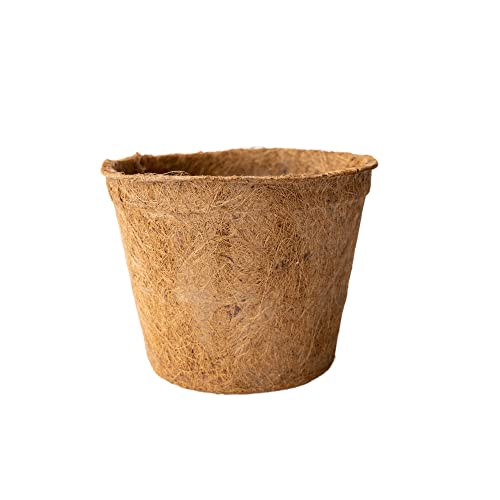
This natural coco fiber pot measures 10 inches in diameter at the rim and stands 8 inches tall. It’s designed for seedling trays and greenhouse use, with a taper that eases transplanting. A small amount of natural rubber acts as a binding agent to provide structural integrity while maintaining biodegradability. The pot allows roots to grow through the coconut fiber, promoting aeration and reducing transplant shock when placed directly into the ground.
MAQIHAN Coconut Husk Fiber Mix

MAQIHAN’s coconut husk fiber blend is a natural, chemical-free option suitable for various plant care tasks. Made from 100% coconut fiber, this product is durable and designed to provide a breathable, moisture-retentive environment for roots. Packaged as 85 grams (about 3 ounces) per package, it’s lightweight and easy to store. Its versatility makes it suitable for greenery coverings, pots, planters, and mini ecosystems, offering a sustainable alternative to synthetic fibers.
Envelor Coco Coir Seed Starter Pots

Envelor’s 4-inch seed starter pots come in a 20-pack and are made from coconut coir fiber. These biodegradable pots offer a natural alternative to plastic seed trays, providing adequate drainage and air to developing roots. They’re designed to be transplanted directly into the ground, minimizing root disturbance and transplant shock. The coco peat composition supports moisture management and promotes a healthy seedling start, ideal for home gardeners and small nurseries.
16 Pack Coco Coir Soil Wafers

These expanding soil wafers from ZESTIGREENS simplify seed starting and potting. Each wafer expands with about 5 ounces of water to fill 3-4 inch pots, expanding to two cups of soil per wafer. The natural fiber composition provides ample aeration and moisture retention, reducing the risk of overwatering and root rot. A pack of 16 wafers yields a substantial soil volume, making it a compact solution for starting multiple plants in a space-saving way.
Buying Guide
Material and Environmental Impact
Choose pots made from coconut coir or other natural fibers when possible. These materials are typically biodegradable and reduce plastic usage. Consider whether the product is certified compostable or designed to break down in garden soil without leaving harmful residues.
Transplant Compatibility and Root Health
Seed starters should support healthy root expansion without constraining growth. Pots that allow roots to penetrate the walls or can be transplanted directly into the ground help minimize transplant shock and maintain root integrity.
Drainage and Aeration
Good drainage prevents water-logged roots. Fiber pots often rely on the natural porosity of coconut fiber. Ensure the product includes drainage holes or is designed for root aeration to promote robust seedlings.
Size and Versatility
Consider the intended plant size and growth stage. Smaller pots are ideal for early seedlings, while larger variants suit transplanting to garden beds or larger containers. Some products, like soil wafers, provide space-saving options for greenhouse or windowsill setups.
Durability and Handling
Look for pots that maintain shape during initial growth stages but still degrade over time. Packaging that protects the pot during shipping and easy-to-use designs for transplanting are practical considerations for hobbyists and professionals alike.
Cost and Sustainability
While fiber pots may have a higher upfront cost than plastic options, their biodegradability and the reduced need for soil amendments can save resources over a growing season. Weigh long-term sustainability against initial price when choosing between brands and formats.
Across these options, fiber pots offer an eco-friendly path for seed starting and plant care. They balance root health, ease of transplant, and environmental considerations, helping gardeners cultivate healthy plants with a smaller ecological footprint.