Houseplants thrive with steady, balanced nutrition. Fertilizer sticks provide continuous feeding with minimal effort, helping roots absorb nutrients evenly between waterings. This guide reviews top fertilizer sticks designed for indoor plants, including flowering varieties, foliage favorites, and trailing greens. Each option below offers long-lasting nutrition, safety for common houseplants, and simple application. Use as directed and monitor plant responses for best results.
| Product | Brand | Key Benefit | NPK (If Listed) |
|---|---|---|---|
| Miracle-Gro Indoor Plant Food Spikes (48) | Miracle-Gro | Continuous feeding up to 2 months for most indoor plants | 6-12-6 |
| RAINFLOW Slow-Release Spikes (90) | RAINFLOW | Long-lasting nutrition up to 180 days with organic composition | Not listed on table, slow-release mix |
| The Old Farmer’s Almanac Mini Spikes (12) | The Old Farmer’s Almanac | Fast-acting, long-lasting nutrients for continuous feeding | 5-5-5 |
| Miracle-Gro Indoor Plant Food Spikes (24) | Miracle-Gro | Reliable continuous feeding for a range of houseplants | 6-12-6 |
| Enhon 54 Plant Growth Spikes | Enhon | Balanced, nutrient-rich spikes for multiple indoor plants | Not listed |
Below are five carefully chosen fertilizer sticks that align with common indoor plant needs, from flowering varieties to foliage favorites. Each entry includes a quick reference to its features and how it supports steady growth in typical home environments.
Miracle-Gro Indoor Plant Food Spikes (48)

Product overview: Miracle-Gro’s indoor spikes provide continuous feeding for flowering and foliage plants, delivering nutrients over up to two months. They’re designed for safe use with a wide range of indoor potted plants, including ferns, spider plants, pothos, and croton. The 6-12-6 formulation supports both growth and color. Application is straightforward: insert spikes into soil near plant roots and water as usual. The spikes help maintain steady nutrition between regular fertilization cycles, reducing the need for frequent mixing or guessing about quantities.
RAINFLOW Slow-Release Plant Spikes (90)
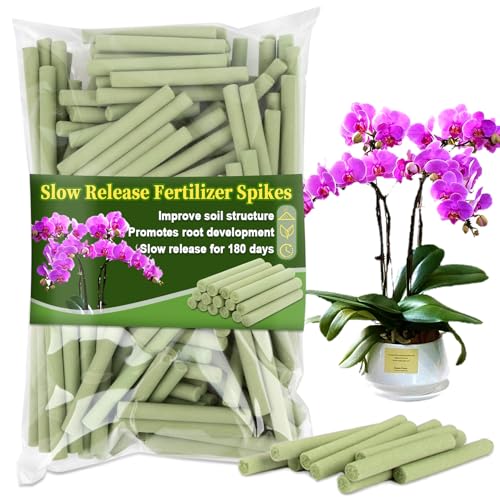
Product overview: This package contains 90 spikes that use slow-release technology intended to feed indoor flowering houseplants for several months. The formula is described as organic and designed to reduce fertilization frequency while promoting robust root development, soil structure, and consistent blooms. The spikes are positioned in soil to deliver multi-nutrient support gradually, balancing growth without the need for daily attention.
The Old Farmer’s Almanac Mini Spikes (12)

Product overview: These nutrition mini-spikes provide quick-acting, long-lasting nourishment for houseplants, flowers, and container plants. Designed for continuous fertilization, they should be applied every 6-8 weeks to maintain steady feeding. The 5-5-5 blend emphasizes balanced nutrition for growth, blooming, and root vigor, supporting color and vitality in a variety of indoor settings.
Miracle-Gro Indoor Plant Food Spikes (24)

Product overview: This variant provides a convenient, continuous feeding option for a broad range of indoor plants. With a two-month nutrient supply per spike, the formula is designed to support flowering and foliage growth. The packaging is suitable for users who want a smaller initial batch or who manage multiple plant species with a uniform feeding approach. The spikes are positioned in soil to ensure slow, even nutrient release, reducing the need for frequent fertilization intervals.
Enhon 54 Plant Growth Spikes (3 Pack)

Product overview: Enhon’s offering comes as a 3-pack totaling 54 spikes, designed to support diverse indoor plants, including ficus, snake plant, pothos, and ferns. The spike method is straightforward: insert into the soil, water, and let nutrients release gradually. Replacement cadence suggests monthly to bi-monthly changes depending on seasonal growth, ensuring a stable nutrient supply without frequent resets. The kit also includes soil nails for better placement in certain pot configurations.
Buying Guide: Key Purchase Considerations
Choosing the right fertilizer sticks for houseplants involves understanding plant needs, potting conditions, and maintenance preferences. Here are essential factors to compare:
- Nutrient balance: Look for balanced NPK ratios that support both growth and color. For flowering and foliage plants, a formulation around 5-5-5 to 6-12-6 is common, but select based on plant type and growth stage.
- Release duration: Longer-lasting spikes reduce maintenance but may require careful timing if plants grow rapidly. Match the release profile to how often you water and repot.
- Plant compatibility: Some spikes are better suited for flowering plants, others for foliage or orchids. Check product descriptions to ensure suitability for indoor houseplants.
- Safety and usage: Ensure spikes are labeled safe for indoor use and compatible with pots and soil types you employ. Follow directions to avoid over-fertilization.
- Quantity and value: Larger bundles may save money if you manage many pots, but consider whether you need a recurring supply or a smaller starter set.
- Organic vs synthetic: Some products emphasize organic slow-release tech, which may appeal to growers seeking a natural approach.
- Replacement cadence: Consider how often you must replace or top up spikes, especially in seasonal growth periods and with high-moisture pots.
- Ease of use: Spikes should be simple to insert and require minimal maintenance. If you dislike frequent feeding schedules, choose longer-lasting options.
For best results, test one or two plants first to observe how they respond to the chosen spikes before expanding to a larger collection. Always water after inserting spikes to initiate nutrient release and support even distribution in the root zone.