The best fertilizer pellets for trees provide steady nutrients, ease of use, and compatibility with tree care goals. This guide highlights five top options, detailing who each product is best for, why it was selected, and practical limitations. Ideal buyers include backyard orchardists, urban growers, and landscape managers seeking slow-release nutrition with minimal effort. Use the summary table to compare core strengths at a glance and then read each product section for deeper context and clear buying decisions.
| Product | Best For | Key Benefit |
|---|---|---|
| Agriform 20-10-5 Slow Release Fertilizer Tablets | Newly planted trees and shrubs | Long-lasting feeding with essential minors |
| Miracle-Gro Shake ‘N Feed All Purpose Plant Food | All-purpose garden care including trees | Up to 3 months of feeding, versatile use |
| Farmer’s Secret Fruit Tree Booster Fertilizer | All fruit trees requiring concentrated nutrition | Phosphorus-rich, early-growth focus |
| Chicken Manure Pellets (Lancaster Agriculture) | Soil enrichment for trees, shrubs, roses | Balanced 4-2-2 with calcium |
| COOP GRO Organic Chicken Manure Pellets | Organic gardeners seeking OMRI-certified feed | 3-3-4 analysis with carbon support |
Agriform 20-10-5 Slow Release Fertilizer Tablets

Type: Slow-release tablets with minor nutrients. Best for establishing newly planted trees, shrubs, and container plants. The bulk of the formula supports early growth with a balanced 20-10-5 ratio, delivering essential nitrogen, phosphorus, and potassium over time. This product is particularly suitable for new plantings where steady nourishment helps root development and establishment. Caution: avoid over-application near planting zones to prevent fertilizer burn in delicate roots.
Miracle-Gro Shake ‘N Feed All Purpose Plant Food
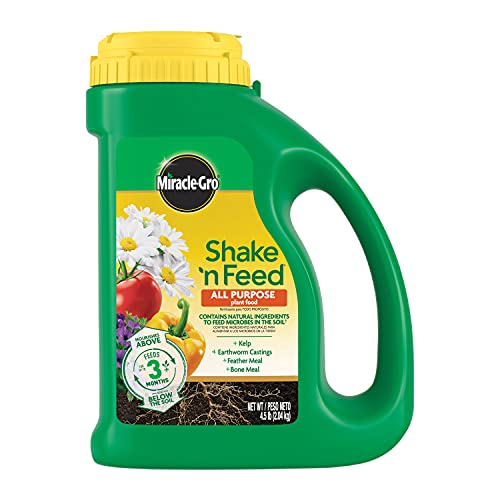
This all-purpose plant food feeds above and below the soil for up to three months. It’s versatile for trees, garden beds, and container plants, making it a practical option for mixed landscapes. The formula includes micronutrients that support overall plant health and vigor. Choose this if you want a single product that covers a broad range of plant types. Limitation: not a specialized tree-only formula, so adjust dosing for heavy tree feeding needs.
Farmer’s Secret Fruit Tree Booster Fertilizer (32oz)

Phosphorus-rich booster designed specifically for fruit trees, including peach, banana, and apple varieties. Best for the early growth cycle after dormancy, this formula aims to support robust flowering and fruit set with concentrated nutrition. It’s ideal for orchard-style plantings or homeowners aiming to maximize yield. Caution: due to high concentration, follow application guidelines to avoid over-fertilization and potential burn on sensitive trees.
Lancaster Agriculture Chicken Manure Pellets

Natural, pelleted chicken manure with a balanced 4-2-2 analysis and 8% calcium. Suitable for trees, shrubs, vegetables, and flowers. It’s dehydrated and pelletized for easy application and even distribution. Best for organic gardeners seeking a soil-building fertilizer that enriches both nutrients and soil structure. Limitation: organic manures can vary in nutrient release; monitor soil how it responds over time and water adequately after application.
Fertilome (10822) Fruit, Citrus and Pecan Tree Food 19-10-5
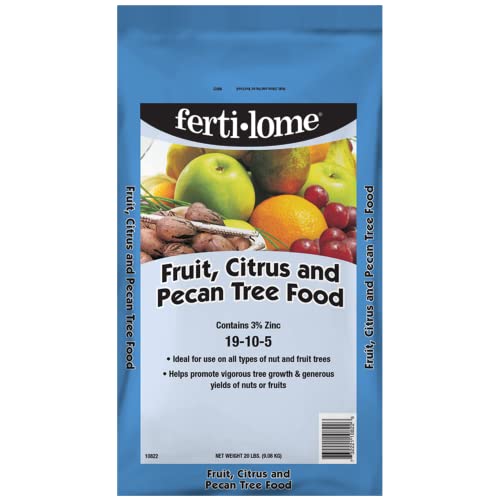
This 19-10-5 fertilizer blend is targeted to fruit, citrus, and nut trees. It includes zinc to help manage specific issues like Rosette in pecans and supports both flowering and fruit production. Best for established fruit orchards or homeowners prioritizing tree-specific nutrition. Caution: designed for fruit trees; use as directed to avoid excess nitrogen in non-target plantings.
Buying Guide: Practical Tree Fertilizer Considerations
- Tree type and growth stage: Young trees benefit from steady nitrogenearly; mature fruit trees may need higher phosphorus and potassium during fruiting. Choose formulas aligned with growth stage and tree type.
- Release method: Slow-release pellets provide prolonged feeding with less risk of burning sensitive roots. Quick-release or all-purpose formulas can be useful for immediate season-long needs but require closer dosing.
- Organic vs synthetic: Organic options support soil structure and microbial activity, but nutrient availability can vary. Synthetic blends deliver predictable, immediate results but may impact soil biology over time.
- Application method: Pellets are typically sprinkled around the drip line and watered in. Avoid placing fertilizer directly against the trunk to minimize root burn and bark damage.
- Soil testing: Consider a soil test to tailor nutrient ratios to your soil’s current composition. This helps avoid over- or under-fertilizing and informs the most effective product choice.
- Safety and storage: Keep products sealed and stored in a cool, dry place. Some organic pellets may have odors; follow label safety guidelines for handling and application.
FAQ
- What fertilizer data should I look for on the label?
- Look for N-P-K ratio, nutrient minors, and any organic certifications or safety cautions. For trees, a balanced or slightly higher phosphorus-to-nitrogen ratio during establishment can support root and flowering growth.
- Should I fertilize in spring or fall?
- Spring feeding supports new growth; fall feeding can help prepare trees for dormancy, but avoid excessive nitrogen late in the season to prevent new, vulnerable growth.
- Is organic fertilizer better for trees?
- Organic options improve soil structure and microbial health, which benefits long-term tree vitality. Synthetic pellets can deliver precise nutrient levels when faster results are needed.
- Can I use these products on all tree types?
- Most products are versatile, but some are formulated for fruit, citrus, or oak trees. Always check label guidance for specific tree compatibility.
- How often should I water after applying fertilizer pellets?
- Water thoroughly after application to help nutrients reach the root zone and reduce the risk of burn. Frequency depends on soil type and rainfall.
- What are signs of over-fertilization?
- Yellowing leaves, leaf scorch, stunted growth, or rapid, weak growth may indicate excessive nutrients. If observed, reduce application rate and monitor soil.