People seeking reliable yard privacy without sacrificing breeze or natural light will find fence windscreens a practical solution. This guide highlights five top options, explains who each product is best for, and contrasts features such as 90% visibility blocking, durability, and ease of installation. Ideal buyers include homeowners protecting a pool, apartment residents adding balcony privacy, and gardeners seeking wind and dust protection. Below is a concise summary table of the five selected products to help you compare at a glance.
| Product | Best For | Material & Features |
|---|---|---|
| Windscreen4less 6’x50′ Black Privacy Fence Screen | Large yards and pool areas | 90% visibility blocking, breathable polyethylene, reinforced grommets |
Best Overall: Windscreen4less 6’x50′ Black Privacy Fence Screen
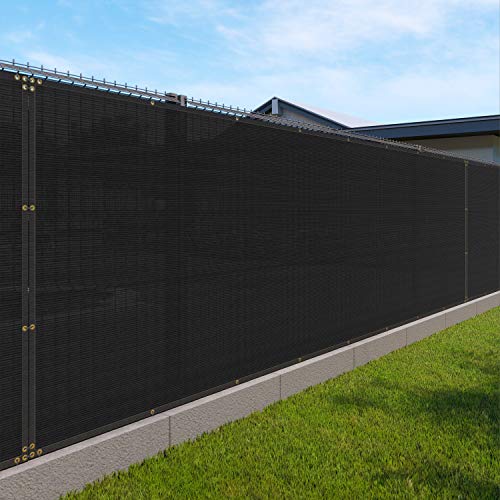
This heavy-duty privacy screen is designed for larger fences and outdoor walls. It blocks roughly 90% of outside visibility, helping to deter peeping and reduce visual exposure while still allowing airflow. The polyethylene fabric is breathable, tight, and tear-resistant with reinforced brass grommets for easy installation. A practical choice for backyards, patios, swimming pool areas, and garden fences where a durable, long-lasting screen is needed. Best for property owners who want robust privacy with minimal wind distortion.
Best for: Homeowners with wide fences and poolside privacy needs. Choose this if you want a rugged, high-coverage screen that withstands outdoor conditions. Caution: There may be a 3–6 inch variation in height before stretching.
Best Green Option: Windscreen4less 6’x50′ Green Privacy Fence Screen

Designed for seamlessly blending with foliage and outdoor decor, this 6×50 green privacy screen offers the same 90% visibility blockage as the black version. It uses the same breathable polyethylene fabric with reinforced grommets and sturdy stitching, making it a reliable option for gardens, patios, and pool enclosures. Best for: Buyers who prefer a discreet color that blends with greenery. Caution: Material width and stretch can introduce a small size variation before installation.
Best For Fences About 4–5 Feet High: iCover 4x50ft Privacy Screen

The iCover privacy screen is a 4 ft high by 50 ft long panel designed for fences around 4 ft tall or slightly higher. Built from a heavy-knit net, it blocks visibility effectively while permitting airflow. Reinforced bindings and rust-resistant copper grommets aid durability, with a triangle pattern of grommets to distribute tension. Best for: Rentals or smaller yards where a compact height screen is appropriate. Caution: Confirm fence height to ensure a precise fit; this model is optimized for 4 ft fences.
Best Budget Pick: Cisvio 5ftx50ft Privacy Screen

This 5×50 ft privacy screen uses 170 GSM HDPE material for durability with brass grommets and reinforced edges. It provides 90% visibility blockage and helps with sun shading and wind protection. Best for: Budget-conscious buyers who still need durable performance across patios, balconies, and pool decks. Caution: Slightly shorter height means it’s best for fences around 5 feet tall or taller, depending on mounting.
Premium 6′ x 50′ Privacy Solution: Royal Shade
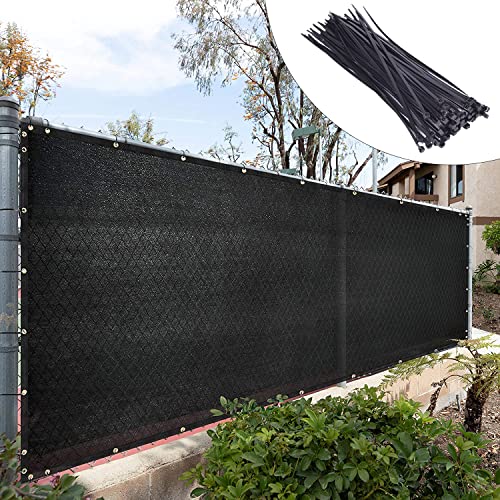
Royal Shade offers a 5’9″ actual height to fit most 6-foot fences with a focus on comfort and privacy. The fabric is UV and water resistant, made from commercial-grade HDPE, and designed to promote airflow while maintaining privacy. This option is best for buyers who want a tailored fit and a balance between privacy and ventilation. Caution: Precise measurement is essential to ensure proper fit on standard 6-foot fences.
Buying Guide
What should you consider before buying a fence privacy screen?
- Fence height and width: Measure accurately. Many screens are designed for specific heights (e.g., 4 ft, 5 ft, or 6 ft) and a range of lengths up to 50 ft or more.
- Brightness vs. privacy: Most screens offer around 90% visibility blockage. If you need more privacy, look for thicker fabric and higher blockage ratings.
- Material durability: HDPE and polyethylene fabrics are common. Consider tear resistance, edge stitching, and grommet quality for long-term use.
- Airflow and wind resistance: Screens should balance privacy with airflow to avoid wind stress on your fence or screen.
- Color and landscaping: Green blends with foliage; black provides a stark, high-contrast look. Pick a color that complements your outdoor space.
Installation considerations
- Attachment method: Grommets and ties are standard. Ensure you have the right zip ties or fasteners for your fence type.
- Stretch and tension: Some screens can stretch 3″–6″ during installation. Plan for minor size adjustments.
- Access and maintenance: Choose screens that are easy to remove for cleaning or replacing damaged panels.
Durability and maintenance tips
- Inspect grommets and edges regularly for wear and tear.
- Clean with mild soap and water; avoid harsh chemicals that could degrade fabric.
- Store or cover screens during extreme weather if possible to extend life.
What makes a screen “best” for your needs?
- Best for large yards and pools: Look for wider panels (50 ft length) and 90%+ visibility blockage with strong grommets.
- Best for budgets: Consider 5 ft height options with durable 170 GSM HDPE.
- Best for apartments or balconies: Shorter heights and color choices that blend with surroundings can be advantageous.
FAQ
- Q: Do these screens block all light and sound? A: They typically block about 90% of visibility; light and sound reduction vary by fabric and installation.
- Q: Will the screens yellow or degrade in sun? A: Many are UV-resistant HDPE or polyethylene designed for outdoor use, but long-term exposure can fade color slightly.
- Q: Can I customize size beyond standard 50 ft? A: Some sellers offer custom sizing; check the product page for options.
- Q: How often should I replace a worn screen? A: Replacement depends on weather exposure and maintenance; inspect annually and replace if fabric or grommets show significant wear.
- Q: Do these screens affect my property value? A: They can improve privacy and outdoor usability, which can be appealing for some buyers.