Choosing the right feed pan for cattle helps reduce spillage, protect feed from the elements, and support efficient feeding routines. The following selections emphasize durability, capacity, and practical features suitable for farms of various sizes. Each option mixes rubber and plastic designs to meet different handling preferences and climate conditions.
| Product | Brand | Capacity / Size | Key Benefit |
|---|---|---|---|
| Rubbermaid Commercial Brute 1.25-Gallon Pan | Rubbermaid Commercial Products | 1.25 gallons | RigidCell construction; tie-down slots; USA-made |
| Rubbermaid Commercial Brute 6-Gallon Pan | Rubbermaid Commercial Products | 6 gallons | Stackable design; RigidCell construction; USA-made |
| Fortex Feeder Pan | Fortex | 3 gallons | Crack and crush resistant; flexible in cold; general feeding |
| Sadnyy Rubber Feeder Pan (3 Pcs) | Sadnyy | 2.5 gallons each | Heavy-duty rubber; versatile for multiple livestock |
| Midollarle Heavy-Duty Rubber Feeder Pan (3 Pcs) | Midollarle | 3 gallons each | Durable rubber; large capacity; versatile use |
Rubbermaid Brute 1.25-Gallon Tip-Resistant Pan

The BRUTE Farm Feeders use RigidCell Technology to deliver enhanced durability, claimed to be twice as strong as standard plastic bowls. This 1.25-gallon model emphasizes tip resistance and tying-down slots, making it suitable for pasture or trailer use. It is made in the USA and aligns with farm workflows that require dependable, lightweight feeding solutions for smaller groups of cattle or other livestock.
Key features include a sturdier construction that supports regular handling and resistance to tipping, plus compatibility with rugged farm environments. The size is appropriate for supplemented feeds or when used as a supplementary trough for calves and smaller bovines. For operations prioritizing American-made products, this option offers a familiar Rubbermaid standard.
Brute 6-Gallon Animal Pan Feeder
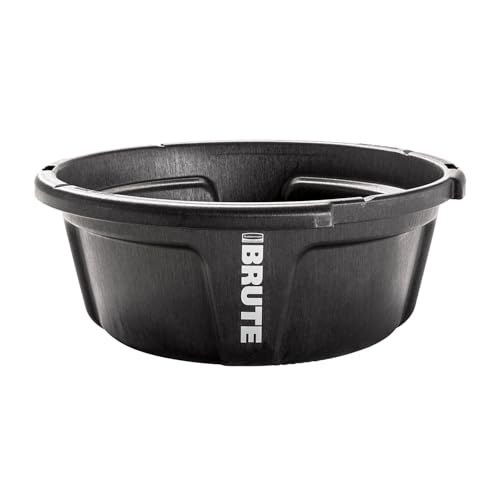
This 6-gallon pan expands capacity while maintaining the Brute line’s durable build. RigidCell construction contributes to long-term durability for larger herds or when feeding hay, grain, or supplemental minerals. The stackable feature can help with storage in barns or feed rooms, and the USA-made manufacturing aligns with domestic sourcing preferences for some farms.
Users benefit from a larger feeding surface that minimizes crowding around the pan and reduces the likelihood of feed waste. This option is well-suited for mid-to-large cattle herds or multi-species operations that require one pan to serve several animals during each feeding window.
Fortex Feeder Pan for Dogs and Horses
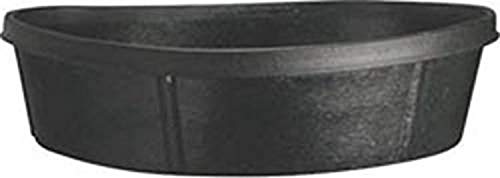
Though marketed for dogs and horses, this feeder pan provides a general-purpose design that can serve multi-species needs in a mixed farming setup. It is described as crack and crush resistant with flexibility at low temperatures, offering a reliable option in cooler climates where rigidity can be a concern. While size suitability should match cattle feeding needs, its resilience makes it a candidate for farm fleets accustomed to rugged plastics.
Practical considerations include evaluating whether the 3-gallon capacity aligns with your herd size, as well as whether a multi-use pan will fit into feeding routines alongside larger cattle troughs.
Sadnyy Rubber Feeder Pan (3 Pcs)
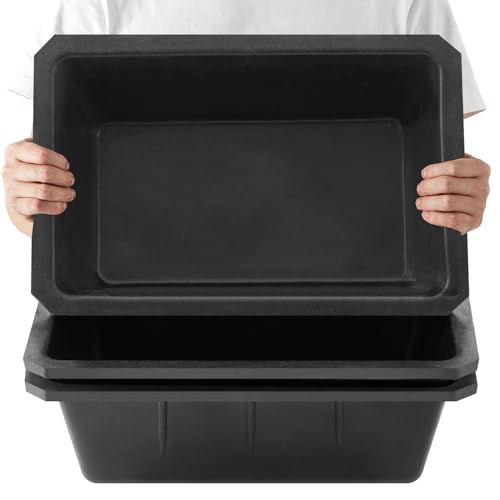
These 2.5-gallon rubber pans come in a set of three and emphasize heavy-duty construction for medium animals such as goats, horses, and larger livestock in a shared environment. The design prioritizes stability to reduce tipping and leg-kick losses, with a stackable feature for space-saving storage. A note indicates a natural rubber odor that can subside with ventilation, which is typical for rubber products when new.
Best used where a flexible, robust pan is needed without excessive weight. The trio offers a cost-effective way to equip several feeding stations or to rotate pans for maintenance and cleaning across a farm operation.
Midollarle Rubber Feeder Pan (3 Pcs)
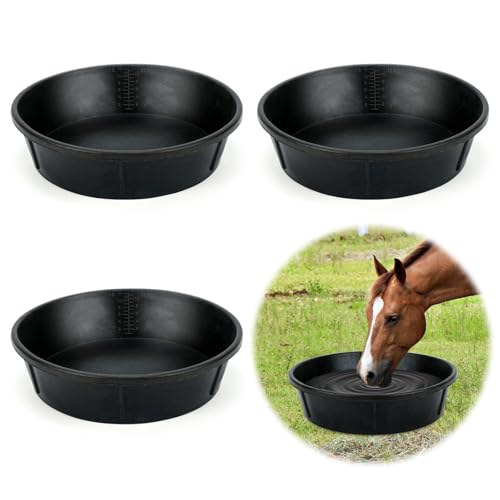
This 3-pack offers 3-gallon rubber pans designed for medium-to-large livestock like horses, cows, and pigs. The rubber construction emphasizes resistance to cracking in cold weather and warping in heat, making it suitable for varied climates. Markings on the surface help users measure feed components, while the flexible material supports a range of applications from feeding to water troughs in mixed setups.
The set encourages versatile use on farms where multiple stations are needed, and it is designed to withstand regular handling, stacking, and transport around the barn.
Buying Guide: Key Purchase Considerations
- Capacity and animal size: Choose pans that align with the number of cattle and their typical feed portions. Larger herds benefit from higher-capacity pans to reduce refilling frequency.
- Material and durability: Rubber pans tend to absorb impact and resist cracking, while rigid plastic pans can be lighter but may show wear sooner. Consider climate and cleaning routines when selecting materials.
- Stability and design features: Tip resistance, non-slip bases, and tie-down slots help secure pans in windy or yard environments. Stackable designs save space in storage.
- Maintenance and hygiene: Look for pans that are easy to clean and sanitize. Smooth interiors reduce feed buildup, while rounded edges help with safe handling.
- Multi-species vs. cattle-specific use: Some pans are marketed for dogs, horses, or general livestock but can still be used with cattle. Ensure the size and depth fit your herd’s needs.
- In-store practicality: Consider whether you prefer light-weight plastic for easy transport or heavier rubber for durability in rough conditions. Budget and replacement parts are also important.
- Climate considerations: In cold climates, flexible rubber and crack resistance at low temperatures can prevent brittleness. In hot climates, wind resistance and durability to heat are key.
- Made in USA vs. imported: Some buyers prefer domestic manufacturing for perceived quality control and supply chain preferences. Check warranty and return policies as applicable.
When selecting a pan, balance capacity, durability, and handling practicality. For mixed farms with multiple species, versatile pans that can double as water troughs or general-purpose containers may offer better long-term value. For large cattle operations, higher-capacity, stackable options can improve workflow in feeding routines.