When creating natural privacy screens, fast-growing pine trees offer reliable year-round cover, sound dampening, and an appealing evergreen backdrop. This guide highlights top pine options known for rapid growth and dense foliage, along with practical buying considerations to help American gardeners choose varieties suited to their climate and yard size. The following selections emphasize accessibility, resilience, and clear privacy benefits while avoiding common regulatory hurdles where noted.
| Product | Brand | Growth Habit | Typical Size | |
|---|---|---|---|---|
| White Pine Live Tree Seedlings Plug — 10-Pack | Arbor Day Foundation | Evergreen conifer; dense foliage | 6–12″ plugs | Ideal windbreak and privacy; green all year |
| White Pine Live Tree Seedlings Plug — 5-Pack | Arbor Day Foundation | Evergreen conifer; dense foliage | 6–12″ plugs | Compact starter option for privacy screens |
| Slash Pine Tree — 20 Live Plants | Florida Foliage | Evergreen; tall, straight growth | Live plants shipped | Fast-growing windbreak and shade |
| Slash Pine Tree — 1 Large Gallon | Florida Foliage | Evergreen; sturdy, dense foliage | 1 gallon pot | Versatile, resilient for various yards |
| Longleaf Pine Tree — 10 Live Plants | Florida Foliage | Evergreen; distinctive long needles | Live plants | Southern yellow evergreen; drought tolerant |
Private screening benefits come from the combination of evergreen needles, rapid height, and dense branch structure. The selections below span plugs, standard live plants, and larger specimens so you can start small or plant for immediate impact. Always verify local regulations and any agricultural restrictions before ordering, especially for areas with state-specific limitations.
White Pine Seedlings Plug — 10-Pack

These plugs arrive as 6–12 inch plants with an established root system designed for quick planting. White pines grow relatively fast for evergreen privacy screens, and their dense needles provide year-round coverage. They are well suited to temperate regions across the United States and can form a natural barrier against wind and noses alike when spaced properly. Regular watering during establishment accelerates root development and canopy growth.
The product notes emphasize suitability for windbreaks and privacy screens due to growth rate and foliage density. As evergreens, they retain green color through winter, contributing to consistent visual privacy. In addition to screening, white pines add seasonal texture to landscapes and can improve property privacy quickly when planted in staggered rows.
White Pine Seedlings Plug — 5-Pack
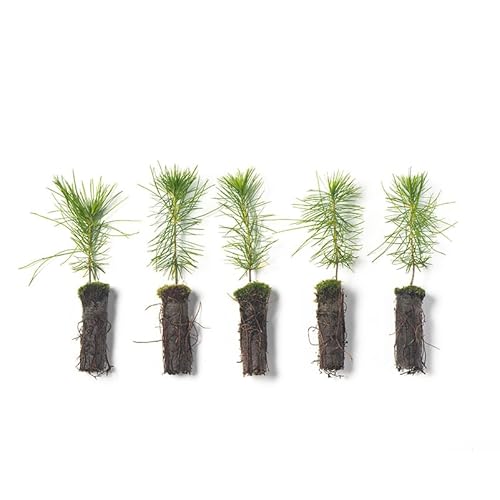
This smaller bundle mirrors the 10-pack option with the same ease of planting and growth potential. The 6–12 inch plugs offer a budget-friendly way to establish privacy hedges without investing in larger stock. The dense evergreen canopy remains visually robust across seasons, making it a dependable choice for homeowners who want a natural, unobtrusive screen that matures steadily over time.
Planting guidance for plugs focuses on quick establishment: choose a well-drained site, loosen the soil, and water consistently through the first growing season. Space plants to ensure air circulation while maintaining a continuous privacy line as they mature. These plugs are particularly well-suited for homeowners seeking an economical way to start a privacy corridor along property lines or driveways.
Slash Pine Tree — 20 Live Plants
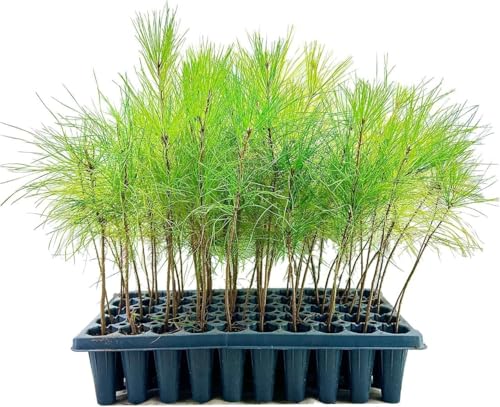
Slash Pine is a classic southern evergreen with rapid growth and a tall, straight form that lends itself to privacy screens along yards and fences. These plants thrive in full sun and tolerate a range of soils, making them adaptable to many American landscapes. The dense needle foliage provides year-round screening, particularly useful in areas with strong winds or where sound dampening is a goal.
Plant spacing is essential to achieve a solid barrier. A staggered or grid arrangement can accelerate the formation of a continuous screen, while proper irrigation during establishment aids root development. For those seeking a hardy, low-maintenance evergreen, slash pines offer an appealing balance of speed and resilience.
Slash Pine Tree — 1 Large Gallon

This large-gallon slash pine offers a faster leap toward privacy than smaller starters. Its tall, straight growth and dense foliage are well-suited for homeowners who want quicker coverage or a more immediate screen. The pine adapts to full sun and various soil types, making it a flexible option for suburban yards and rural settings alike. Compared with smaller plugs, these plants deliver a more noticeable privacy barrier sooner in the landscape.
Maintenance is straightforward: ensure consistent moisture during establishment, mulch to conserve soil moisture, and monitor for proper growth. Once established, slash pines require moderate pruning to maintain a clean silhouette and maximize screening effectiveness as the canopy expands.
Longleaf Pine Tree — 10 Live Plants

Longleaf pines bring a distinctive look with long, slender needles and a stately presence. They are adaptable to sandy, well-drained soils common in coastal and upland regions and are drought-tolerant once established. While they grow upright rather than broad immediately, their dense evergreen canopy becomes a formidable privacy screen over time, especially when planted in rows with ample space for eventual height gain.
As with other pines, the Longleaf benefits from consistent establishment care, particularly during dry spells. This species supports wildlife and offers a robust, low-maintenance evergreen option for privacy hedges that can endure varied climates across the United States.
Buying Guide: Key Considerations For Privacy Or Wind Screens
- Climate compatibility: Choose pine species suited to your USDA hardiness zone and local climate. Some varieties handle drought or sandy soils better than others.
- Site conditions: Assess sun exposure, soil drainage, and space. Pines tolerate full sun but require adequate spacing to develop a dense screen without crowding.
- Growth rate and mature size: Faster-growing pines deliver quicker privacy but may require more pruning and maintenance to maintain a neat silhouette.
- Root behavior: Consider root spread and potential impact on sidewalks, foundations, or irrigation lines. Deep-rooted pines are generally less disruptive than aggressive rooters.
- Maintenance needs: Establishment watering, mulching, and occasional pruning help maximize canopy density and health during the first 2–3 years.
- Regulatory considerations: Some regions restrict certain plant introductions; verify state regulations and any agricultural advisories before purchasing.
- Wildlife and ecology: Native or regionally comfortable species support local wildlife, pollinators, and biodiversity while still delivering privacy.
- Privacy goals: Determine desired height and screening density. Plant in staggered rows or a solid line depending on space and visual goals.
- Watering strategy: Establish a consistent watering plan during the first growing season to promote deep roots and stable growth.
- Long-term planning: Consider future maintenance access, potential noise reduction benefits, and the visual impact as trees mature over a decade or more.
These options offer a balance of rapid growth and evergreen coverage suitable for privacy and wind breaks. When selecting, prioritize your local conditions, maintenance tolerance, and landscape design goals to ensure a thriving, effective privacy screen that meets your needs for years to come.