Answer: For shady lawns, choose high shade-tolerant blends that germinate quickly and establish dense turf with less sun. The top picks below are selected for shade suitability, rapid establishment, and durable performance in low-light zones. This guide highlights who each product is best for and why it fits shady conditions. A quick summary table is included for easy comparison.
Summary table of selected products:
| Product | Best For | Why It Stands Out |
|---|---|---|
| X-Seed Ultra Premium Shady Lawn Seed Blend | Lawns with deep shade, poor soils | Balanced mix of fescue, ryegrass, and bluegrass; includes fertilizer option |
| Jonathan Green Black Beauty Dense Shade | Dark shade, tree-lined yards | Shade-tolerant with quick germination and dark green color |
| Scotts Turf Builder Sun & Shade Mix | Full sun and dense shade | All-in-one seed, lawn food, and soil improvement |
| Scotts PatchMaster Sun + Shade Mix | Bare spots in sun/shade | No-dig repair with mulch and starter growth |
| Scotts Rapid Grass Sun & Shade | Wide areas needing fast green up | Fast germination with fertilizer included |
X-Seed Ultra Premium Shady Lawn Seed Blend

The X-Seed Shady Lawn blend combines 20% Maxima Creeping Red Fescue, 14% Improved Chewings Fescue, 17% Improved Perennial Ryegrass, and 7% Kentucky Bluegrass. It is designed for dense shade coverage and performs in poorer soils. Best for: shade-prone lawns that still require a vigorous green carpet and manageable maintenance. Caution: performance may vary in extreme shade or persistent standing water; plan for gradual establishment.
Scotts Turf Builder Rapid Grass Tall Fescue Mix
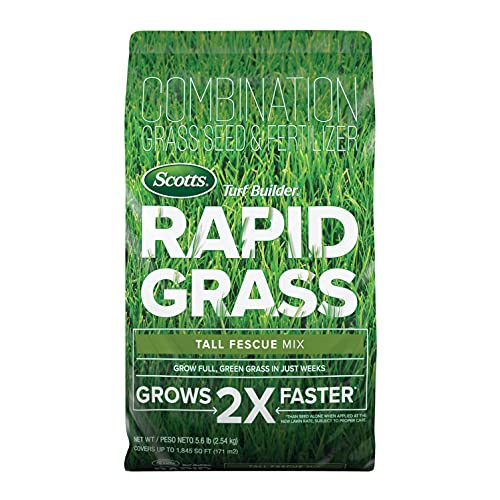
Best for: overseeding large problem areas in lawns and establishing new grass where shade reduces growth. This mix grows 2X faster than seed alone when used at the new lawn rate and combines tall fescue with lawn fertilizer. Consideration: rapid growth depends on proper care, water, and soil preparation; in dense shade, expect extended establishment in the deepest shade areas.
Jonathan Green Black Beauty Dense Shade Grass Seed

Best for: areas with persistent shade, where a dark-green, dense lawn is desired. This cool-season mix emphasizes shade tolerance and fast germination (14–21 days) and includes endophyte benefits. Limitation: performance can be affected by continuous heavy shade and soil compaction; improved results come with adequate light exposure and soil conditioning.
Scotts Turf Builder Grass Seed Sun and Shade Mix

Best for: lawns that require a balance of sun and dense shade tolerance, with an all-in-one seed, fertilizer, and soil improver approach. It helps establish deep roots and supports durability under varied light. Caution: performance improves with proper watering and soil preparation; in extreme shade, growth can be slower than in sunny conditions.
X-Seed Pet Proof Fescue Seed

Best for: yards with dogs or high foot traffic where urine resistance is valuable. This mix is designed for quick germination in sun or shade and aims for a dense, year-round green lawn. Limitation: pet urine tolerance is notable but not universal; maintain lawn health with regular overseeding in heavy-use areas.
Scotts PatchMaster Lawn Repair Mix Sun + Shade

Best for: repairing bare spots in both sun and shade areas with a ready-to-grow blend and mulch. This product accommodates quick patch repair and ongoing feeding for several weeks. Caution: repair success hinges on keeping the seed moist during establishment; avoid long dry spells immediately after application.
Buying Guide
What should I look for in a shady-area grass seed?
- Shade tolerance: Prioritize blends with shade-tolerant fescues and grasses designed to establish in low light.
- Germination rate and time: Quick germination helps lawns recover faster in shaded patches.
- Soil adaptability: Mixes that tolerate poorer soils reduce the need for heavy amendments.
- Maintenance needs: Selections with reduced fertilizer or water requirements save ongoing effort in shaded zones.
How to choose between seed-only and all-in-one products?
- Seed-only blends work well with existing lawn care plans and allow you to tailor fertilizer and irrigation. All-in-one products provide convenient, ready-to-use nutrition but may offer less control over nutrient timing.
- In shady areas, consistent moisture is essential; consider patches with mulch or soil improver to improve establishment.
Site considerations for best results:
- Soil preparation: Aerate compacted soils; loosen to improve root penetration.
- Light conditions: If possible, identify the degree of shade (dense, partial, or dappled) to match product shade tolerance.
- Water management: Shaded lawns often require less evaporation but still need regular moisture during germination.
- Maintenance schedule: Avoid heavy mowing during establishment; follow recommended mowing heights.
Frequently Asked Questions
- Q: Do shady lawn seeds germinate slower in shade?
- A: Germination can be slower in low-light conditions; choose shade-tolerant blends and ensure proper soil moisture.
- Q: Can I mix two different seed blends for shade?
- A: Yes, but ensure similar germination times and compatible nutrient needs to avoid competition and stress.
- Q: How long does it take to establish a dense shade lawn?
- A: Establishment varies by product and conditions but typically ranges from 2 to 6 weeks for germination, with full density over a few months.
- Q: Should I fertilize immediately after sowing?
- A: Follow product instructions; some blends include starter fertilizer, while others require a separate plan for nutrients.
- Q: How often should I water after seeding?
- A: Keep the topsoil consistently moist (not waterlogged) during germination and early growth, gradually reducing frequency as roots establish.