Finding the right extra large landscape rock means balancing size, style, and ease of installation. This guide highlights five large options that blend naturally with outdoor spaces and stay sturdy through varying weather. Each is suited for homeowners seeking bold focal points, durable ornamental rocks, or practical concealment for utilities. Read on to compare size, texture, and installation notes to pick the best fit for your yard.
Below is a quick summary of the five rocks covered in detail. Use this table to compare footprint, look, and best-use scenarios at a glance.
| Product | Best For | Key Feature |
|---|---|---|
| Emsco Group 2280 Natural Sandstone Appearance | Large gardens and landscape beds | Extra large footprint with natural sandstone texture |
| Emsco Group 2282 Natural Granite Appearance | Lawn edges and focal spots | Extra large, irregular shape with granite look |
| Deckorators 27 in. x 21 in. x 14 in. Tan Landscape Rock | Do-it-yourself projects | Curvilinear shape for wind resistance |
| Emsco Group 2181 Large – Landscape Rock | Bold, visible rock accents | Lightweight resin with sandstone texture |
| Emsco Group 2881 Landscape Natural Appearance | Decorative, long-term installation | Large, tapered stone look with two stakes |
Emsco Group 2280 Natural Sandstone Appearance

Best for: Large garden beds and dramatic entryways where a natural sandstone look is desired. The extra large footprint helps anchor surrounding plantings and creates a strong visual base.
Overall dimensions are 28″ x 26.5″ x 17″ (H x L x W). The rock features a natural texture that blends well with gardens, lawns, and landscapes. Coloration may vary due to screen calibration and manufacturing processes, which is common in faux stone products. It withstands extreme weather and ships with two stakes to help anchor it securely into the ground.
Why choose this if you want: A large, natural sandstone appearance that remains believable in outdoor spaces. It is better for wide-open zones where a single large rock can serve as a focal anchor rather than several smaller pieces.
Caution: Expect some color variation between the product photo and real life; plan for diverse plant textures and mulch tones to complement the hue.
Emsco Group 2282 Natural Granite Appearance

Best for: Bold landscape corners and striking focal points where a granite-like finish is preferred. The large size emphasizes a premium, low-maintenance look.
Dimensions are 30” x 28.5” x 19” (H x L x W). The rock has an irregular, tapered shape that adds a natural silhouette to any setting. Coloration can vary by monitor and batch. It includes two stakes to anchor the rock, helping it stay put in gusty conditions.
Why choose this if you want: A larger granite appearance that reads as a premium landscape feature rather than a simple filler rock.
Caution: The irregular shape means it may require more planning around placement to avoid tipping or awkward gaps with plantings.
Deckorators 27 in. x 21 in. x 14 in. Tan Landscape Rock

Best for: DIY landscapers who want a curvilinear shape that resists wind and offers easy handling during installation. The tan color blends with common yard tones and mulch.
Features include a natural stone look and easy portability, making it a practical choice for straightforward backyard projects. The curvilinear form helps reduce wind catching angles, which is advantageous in exposed areas. This option is better for space-conscious layouts where a large but lighter piece is preferred over a heavier monolith.
Why choose this if you want: A lighter, easier-to-maneuver choice that still reads as a substantial landscape rock. Ideal for patching in and around existing features without heavy lifting equipment.
Caution: Despite its large appearance, it may be less robust against very high impacts in extreme weather compared to heavier resin or real stone alternatives.
Emsco Group 2181 Large – Landscape Rock

Best for: Visible, large rock accents that still feel lightweight and easy to position. Best for spaces where you want a dramatic vertical profile without heavy lifting.
Dimensions are 15.5” x 23” x 17.5” (H x L x W). Natural texture and appearance help blend with gardens, lawns, and landscapes. Coloration variation is common due to manufacturing processes. It withstands weather and ships with two stakes for ground anchoring.
Why choose this if you want: A large, bold rock without the heft of heavier monolithic stones, suitable for mid-scale landscapes, borders, or stepping-stone-adjacent placements.
Caution: Smaller footprint compared to other “extra-large” options, so it works best as part of a multi-piece arrangement rather than a single focal rock.
Emsco Group 2881 Landscape Natural Appearance
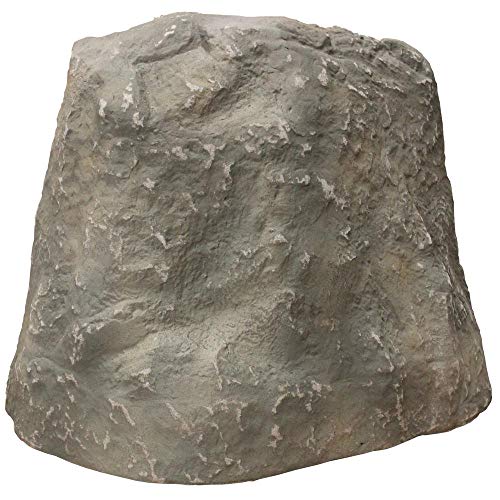
Best for: Decorative landscape fixtures and larger scale placements where a classic natural rock texture is desired. This option pairs well with pathways and plant beds to anchor a design theme.
Overall dimensions are 17.5″ x 24″ x 18” (H x L x W). The rock has an irregular and tapered shape, offering a natural silhouette. Coloration may vary by screen and production batch. It withstands extreme weather and includes two stakes for ground anchoring.
Why choose this if you want: A mid-to-large rock that delivers a natural look with study anchoring points, making it suitable for long-term outdoor installations.
Caution: Its smaller height relative to the other extra-large options means it may serve best as part of a curated rock cluster rather than a stand-alone focal point.
Buying Guide
What size should I choose?
For a true focal feature in a large yard, aim for rocks in the 28–30 inch height range. If you plan to create a cluster or line along a bed, mixing larger and mid-size rocks can create a natural, layered look without overwhelming the space.
Which texture should I prefer?
Natural sandstone textures blend softly with plantings and mulch, while granite textures offer a more formal or premium feel. Texture influences how well rocks hide under shade, sun, and seasonal changes.
Are lightweight rocks easier to install?
Yes. Lightweight resin-based rocks are typically easier to lift and position, reducing the need for heavy equipment. However, ensure they are still durable enough for your climate and wind exposure.
What about installation and anchoring?
Most of these rocks include stakes for anchoring. Use the stakes in well-drained soil to minimize shifting and to prevent tipping. Plan placement so rocks sit securely on the ground with a broad base to resist wind uplift.
How do I manage color variation?
Color variation is common with faux and natural-look rocks due to batch differences and lighting. When possible, mix rocks with slight shade differences to achieve a more natural, irregular look rather than a single uniform hue.
How should I pair rocks with vegetation?
Pair large rocks with low-growing groundcovers, ornamental grasses, or mulch to soften edges. Use rocks to frame garden beds, highlight pathways, or create a backdrop for evergreen shrubs that provide year-round structure.
Maintenance considerations
Rocks require minimal maintenance. Periodically check anchors after severe weather, remove debris from around bases, and ensure surrounding soil remains compact to avoid shifting.
Summary of considerations
- Big landscapes benefit from a mix of large and mid-size rocks to avoid a heavy, monolithic look.
- Texture and color should complement existing hardscapes and planting schemes.
- Anchoring helps ensure longevity in windy areas or loose soils.
- Consider future changes in the yard; choose rocks that can accommodate additional plantings or features.
FAQ
- Which rock is best for a dramatic entry feature? Choose the extra-large options like 2280 or 2282 with prominent height and a natural texture to anchor the entrance visually.
- Are these rocks suitable for high-wind areas? Rocks with proper stakes and ground anchoring perform better in windy spaces.
- Can I place rocks near utilities? Yes, but ensure access to valves or covers and consider a taller rock to obscure utility boxes without obstructing access.
- Do color variations affect aesthetics? A varied palette often reads more natural; plan placements to create a cohesive look across the yard.
- Is installation DIY-friendly? Yes, especially lighter resin rocks; always follow manufacturer guidelines for staking and placement.
- How many rocks should I buy? Start with two to three large pieces and add mid-size rocks to fill gaps for a natural landscape rhythm.