Homeowners seeking rapid, reliable evergreen screening can choose a variety of fast-growing options. The following selections emphasize hardiness, versatile sun exposure, and year-round foliage to create natural privacy borders, windbreaks, and lush landscapes. Each option includes quick-start growth, adaptable soil requirements, and species-specific benefits suitable for American gardens and yards.
| Product | Growth Advantage | Ideal For |
|---|---|---|
| KVITER 50 Thuja Tree Seeds | Fast germination; dense evergreen growth | Privacy screens, patio gardens |
| Green Giant Arborvitae (2.5 Quart) | Very fast, tall screens; thick foliage | Large-scale privacy and windbreaks |
| Leyland Cypress (10 Live Plants) | Very fast growth; year-round greenery | Long hedges, property borders |
| Slash Pine Tree (20 Live Plants) | Rapid establishment; evergreen foliage | Seasonal shade and screening |
| Southern Red Cedar (3 Live Plants) | Natural symmetry; dense screen | Privacy screens in southern landscapes |
KVITER 50 Thuja Tree Seeds: Fast-Germinating Arborvitae

These American arborvitae (Thuja occidentalis) seeds offer fast germination, often sprouting within 10–15 days at temperatures around 65°F and higher. Suitable for USDA zones 3–7, they support tall privacy trees suitable for home gardens and outdoor spaces. The seeds are adaptable to clay or loam soils and benefit from consistent moisture. Plant at a shallow depth of about 1/4 inch and provide regular watering as the plants establish. The Green Giant-style growth habit makes them a practical option for creating dense evergreen screens with extended seasonal coverage.
Key considerations include sun exposure tolerance—these evergreens perform well in full sun or partial shade—and winter-hardiness, which supports dependable screening in variable climates. As a low-maintenance option, they pair well with other garden elements and can become robust privacy trees over time.
Green Giant Arborvitae (2.5 Quart) Fast-Growing Evergreen

The Green Giant arborvitae is renowned for its exceptionally fast growth and dense foliage, making it a top choice for large privacy screens. When mature, it can reach substantial heights with a canopy spanning broad diameters, delivering a natural barrier that competes with wooden fences. The plant ships in a 2.5 quart pot and is suited to full sun to partial shade. It is resilient to diverse weather, though check regional availability and restrictions in some states. This cultivar provides a lush, evergreen backdrop with year-round color and a strong, columnar form as it grows.
Growth guidance emphasizes regular irrigation during establishment, especially in drier seasons, and protection from heat stress in extreme climates. Expect a vigorous screen that enhances curb appeal and reduces wind and noise when planted in rows or staggered patterns.
Leyland Cypress: Fast Growing Privacy Hedge
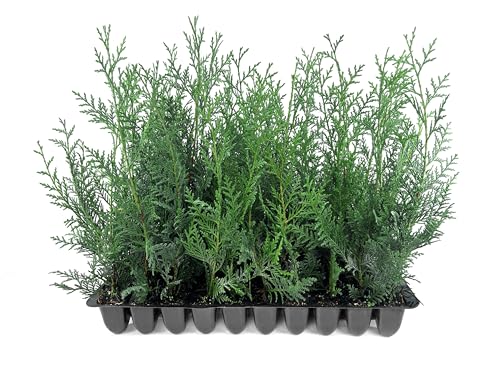
The Leyland Cypress is a classic choice for creating tall, dense evergreen privacy hedges quickly. It thrives in full sun and adapts to various soil types, simplifying establishment in many landscapes. The plants are well-suited for residential and commercial applications, including borders, driveways, and garden edges, where a strong visual screen and year-round greenery are desired. Once established, Leyland Cypress requires moderate maintenance, with pruning primarily to maintain shape and remove weak growth.
Considerations include spacing for optimal air circulation to reduce disease risk, climate suitability for your region, and soil drainage. In suitable conditions, Leyland Cypress delivers rapid, reliable privacy with a natural look that mimics a green wall without a fence.
Slash Pine Tree: Fast Growing Evergreen For Landscaping
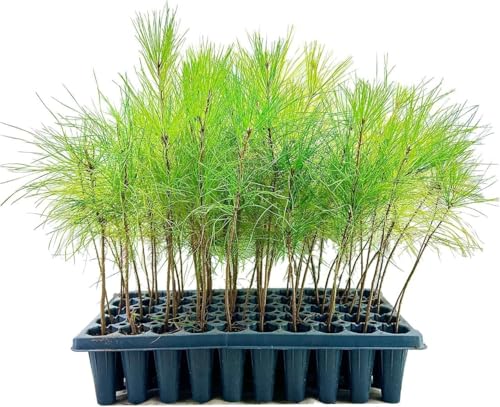
The Slash Pine Tree offers rapid growth and evergreen foliage that contributes to year-round structure in landscapes. Its adaptability across climates and soils makes it a versatile option for broad landscaping projects, while its verdant canopy provides visual mass and shade. As with other fast-growing evergreens, expect quicker establishment in favorable conditions and ensure adequate watering during dry periods to promote strong root development. This species supports wildlife value and adds a durable green presence to large outdoor areas.
Planting considerations include sun exposure, soil drainage, and spacing to avoid crowding as the tree matures. For buyers aiming to transform open spaces into lush privacy zones, the Slash Pine provides a dependable, evergreen backbone with seasonal appeal.
Southern Red Cedar: Fast Growing Evergreen For Southern Gardens

The Southern Red Cedar, or Juniperus virginiana silicicola, is a native evergreen favored in southern landscapes for its symmetry and dense foliage. It excels as a privacy screen or windbreak, staying robust in full sun and well-drained soils. The tree’s upright form contributes architectural interest to landscapes and it can tolerate heat and drought once established. Regular mulching and deep watering during establishment support strong growth, while pruning helps maintain an even silhouette and prevent overgrowth.
As a regionally suitable option, the Southern Red Cedar combines native resilience with evergreen appearance, making it a reliable component of a fast-growing privacy strategy. While it grows vigorously, matching spacing and site conditions will optimize its long-term performance.
Buying Guide: Key Considerations For Fast-Growing Evergreen Trees
- Climate and hardiness: Choose species suited to your USDA zone and winter conditions to ensure reliable growth and winter structure.
- Sun and soil: Most fast-growing evergreens prefer full sun, but many tolerate partial shade. Ensure well-drained soil; amend heavy clay or compacted soil as needed.
- Growth rate vs. mature size: Fast growers reach privacy quickly but may require more maintenance to manage height, width, and health. Consider spacing to prevent crowding.
- Maintenance needs: Pruning, watering during establishment, and occasional health checks help sustain density and vigor.
- Intended use: Privacy screens, windbreaks, or ornamental hedges dictate planting patterns (rows, staggered, or clusters) and species selection.
- Native alternatives: Native evergreens often provide better adaptation and wildlife value; weigh local alternatives against non-native options.
- Container vs. ground planting: Some varieties perform best in-ground; others thrive when established in large containers with proper drainage.
- Water management: Establishment requires consistent moisture; once established, many species tolerate drought better but benefit from periodic deep watering during extended dry spells.
- Care for purview and pests: Monitor for pests common to conifers and address disease symptoms promptly to preserve growth and structure.
- Planting timing: Plant in appropriate seasons for your region—often spring after last frost or early fall in milder climates—to maximize root development.