Elderberries offer a versatile addition to edible landscapes, ornamental hedges, and homemade remedies. This guide highlights practical, garden-ready elderberry seeds and seed packets that suit American gardeners seeking reliable germination, hardy growth, and tasty harvests. From heirloom American varieties to European types and region-specific options, these seeds span cold-hardy to drought-tolerant profiles. Each selection includes planting guidance and key features to help you compare viability, growth habit, and edible yield. Use the table below to quickly compare options before diving into detailed product insights.
| Product | Type | Notes | Germination / Growth |
|---|---|---|---|
| Gaea’s Blessing Seeds – Elderberry Seeds | American Black Elderberry | Non-GMO, Heirloom, open-pollinated | High germination rate expected |
| KVITER 100 Black Elderberry Seeds | Sambucus Nigra | Organic, Heirloom, Non-GMO | Excellent germination; cold-hardy |
| Mexican Elderberry Seeds (Sambucus Mexicana) | Blue Elderberry | Native-California berg | Good germination with complete instructions |
| Plant Good Seed Organic Mexican Elderberry Tree | Southern California Native | Certified organic, non-GMO | High germination; drought-tolerant |
| European Elderberry Sambucus Nigra | European Elderberry | Grown for edible berries | Very high germination rate |
Gaea’s Blessing Seeds – Elderberry Seeds
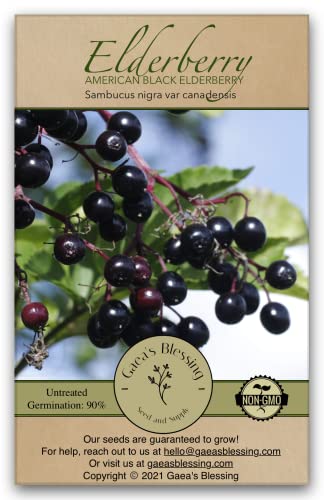
Gaea’s Blessing offers Sambucus canadensis seeds described as non-GMO and heirloom, with open-pollinated lineage. As a perennial, deciduous shrub, it grows multi-stemmed and is native to Eastern and Central North America. The product notes highlight large flowers and a berry flavor comparable to European elderberries, supporting home gardening and culinary uses. Germination expectations are strong at a reported 90% in marketing language, which may reflect seed viability under optimal conditions. Planting instructions are described as easy to follow, aiding first-time seed growers and veteran gardeners alike.
KVITER 100 Black Elderberry Seeds

KVITER presents Sambucus nigra seeds marketed as organic, heirloom, and non-GMO. The description emphasizes cold-hardiness across USDA zones 3–10 and tolerance for sun and shade, making it versatile for varied American climates. The plant reach is tall and lush (12–18 ft), forming a dense shrub with fragrant blooms and edible berries—useful for jams, jellies, and landscape design. Germination is described as easy, with a suggested 24-hour seed soak and sowing at a shallow depth, supporting confident outdoor planting and home food production.
Mexican Elderberry Seeds (Sambucus Mexicana)

Palm Beach Medicinal Herbs markets Mexican Elderberry seeds, also called blue elderberry, with creamy-white flowers and powdery blue-black berries. The package targets garden borders and edible landscaping, suitable for zones 7–10 with full sun to partial shade. The seller notes occasional deep watering and drought adaptation, aligning with California landscapes and xeriscapes. Each seed packet includes complete growing instructions to support successful germination and cultivation of Sambucus Mexicana plants.
Plant Good Seed Organic Mexican Elderberry Tree

Plant Good Seed offers a 35-seed packet of Organic Mexican Elderberry Tree seeds. The description emphasizes Southern California natives with blue fruit clusters and cream-colored flowers, along with drought tolerance and low water needs. Seeds are certified organic, non-GMO, heirloom, untreated, and open-pollinated, with germination viability tested for quality. The plant is described as reaching 7–10 feet tall and gradually increasing flowering and berry production in successive years, making it a practical option for sustainable gardens in warmer climates.
European Elderberry Sambucus Nigra

SVI’s European Elderberry seeds (Sambucus nigra) are positioned for a classic European cultivar with an emphasis on high germination potential. Pre-treatment is listed as required, and the product provides guidance on hardiness zones 5–7, showing a tall, wide shrub growth habit that can reach 20–30 feet in height and spread. The seed packet targets gardeners seeking a traditional European berry source, with full sun to partial sun exposure and a preference for well-drained soil. The blend highlights both edible berries and a robust landscape plant.
Buying Guide
- Regional suitability: Match the seed type to your climate zone, especially for zones 3–10. Cold-hardy varieties will survive winters in many parts of the U.S., while drought-tolerant options suit arid regions.
- Germination and viability: Review seed treatment notes (soaking, pre-treatment) and any stated germination rates. Open-pollinated and heirloom seeds tend to offer reliable results with proper care.
- Growth habit and size: Consider mature height and spread to plan for space, sunlight, and companion plants. Some elderberries can become large shrubs or small trees; ensure you have room for expansion.
- Pollination and yield: For fruit production, consider whether you need cross-pollination (different cultivars) or if a single seed source will suffice. Flowering timing affects pollinator support and harvest windows.
- Gardening purpose: Decide if your focus is culinary (berries for jams, syrups), ornamental (flower display and privacy hedges), or a mix. Some seeds emphasize edible fruit while others highlight ornamental value.
- Organic and non-GMO status: If you prefer certified organic or non-GMO seeds, verify labeling and packet details. Open-pollinated varieties offer easier seed-saving potential for future seasons.
- Storage and longevity: Some products use sealed storage capsules to extend viability, beneficial for long-term seed banking. Keep seeds in a cool, dry place to maximize germination.
- Instructions and support: Seed packets with clear planting depth, germination timeframes, and care guidelines reduce uncertainty for first-time growers.
When planning a planting project, a mix of seed sources can diversify your garden’s resilience and harvest timing. Always start with clean, well-drained soil, provide even moisture, and protect young transplants from harsh conditions. Pair elderberry seeds with pollinator-friendly companions to maximize bloom and berry production. By selecting region-appropriate varieties and following seed-specific guidelines, you can establish a fruitful elderberry patch that supports culinary uses, landscape aesthetics, and pollinator health.