Searching for edging that reliably defines tree borders while withstanding outdoor conditions? This guide covers five top edging products that balance durability, install ease, and aesthetic appeal. From galvanised steel to wooden privacy-style borders, these options help keep mulch in place, deter grass intrusion, and maintain neat, low-maintenance landscapes around trees.
Summary Table of Selected Products
| Product | Brand | Material | Length/Size | Main Benefit |
|---|---|---|---|---|
| 20ft. Galvanized Steel Landscape Edging (6-Pack) | STIRLINGEAR | Galvanized steel | 6 x 8 inches (per piece); 20 ft total | Durable, bendable, rust-resistant borders for clean tree perimeters |
| Landscape Edging 33FT (4IN High) | Focefec | HDPE plastic | 33 feet total; 4 inches high | No-dig, flexible edging with stakes for stable installation |
| Gardzen Landscape Edging Kit, 40-Foot Long | Gardzen | Weather-resistant plastic | 40 feet total; 3 inches tall | No-dig design with 40 included spikes for quick setup |
| Worth Garden Wooden Short Fence | Worth | Burnt wood finish | 7.9″ H x 42″ L | Decorative, flexible borders around trees and beds |
| Worth Garden Wooden Staggered Short Fence | Worth | Burnt wood finish | 8″ H x 3.7 ft L | Flexible, no-dig edging with curved or straight layouts |
20ft Galvanized Steel Landscape Edging (6-Pack)

Designed to create clean, defined borders, this 6-pack of 8-inch steel edging keeps grass and weeds out of flower beds and vegetable patches. The galvanized steel resists rust and harsh weather, making it suitable for long-term outdoor use. Its flexible design allows shape following curves in your landscape, while a sturdy build maintains its form over time. Suitable for tree rings, borders, and pathways, it offers a durable solution for edging around trees and garden features.
Landscape Edging 33FT (4IN High)

This 33-foot HDPE plastic edging stands 4 inches tall and includes 50 anchoring stakes. It’s designed for quick, no-dig installation and offers flexibility to bend or straighten to fit garden shapes. The edging is sturdy enough to maintain edge lines and protect beds from encroaching grass, making it a practical option for tree surrounds, flower beds, and pathways in residential landscapes.
Gardzen Landscape Edging Kit, 40-Foot Long

Gardzen’s edging kit delivers 40 feet of plastic border at a 3-inch height with a no-dig design. The included spikes and flexible construction help secure borders around trees, mulch, and beds. The edging is weather-resistant and designed to hold a neat edge while accommodating garden contours and curves for various tree-border configurations.
Worth Garden Wooden Short Fence
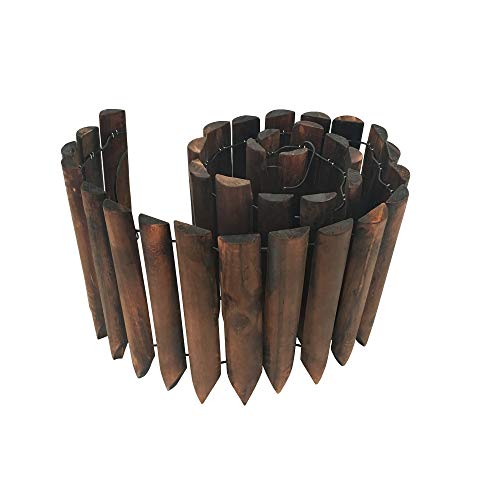
This burnt-wood fence offers a decorative way to define borders around trees. Its no-dig design uses pointed stakes for easy installation, and the lightweight, flexible construction allows for straight lines, curves, and circles. It serves as a visually appealing barrier that blends with natural landscapes while marking your tree zones clearly.
Worth Garden Wooden Staggered Short Fence
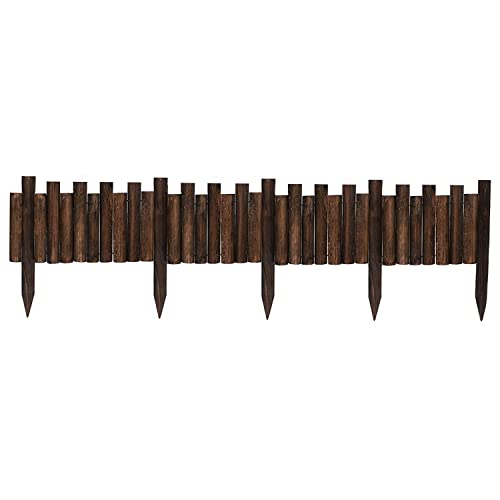
With an 8-inch height and 3.6-foot length, this staggered wooden fence provides a flexible edging solution for borders around trees, beds, or pathways. The carbonized wood finish offers durability and a rustic aesthetic. It’s designed for easy no-dig installation, and can be reconfigured as landscapes evolve, making it suitable for dynamic tree-edge designs.
Buying Guide: Key Considerations For Edging Around Trees
- Material durability: Steel options resist rust and wear in harsh weather, while high-quality plastics provide flexibility and no-dig installation. Wood offers a natural look but may require more maintenance over time.
- Height and width: Taller borders (around 3–4 inches for plastic, 6–8 inches for steel or wood) better prevent mulch spill and weed intrusion around tree bases, especially in windy or high-traffic areas.
- Installation method: No-dig designs are faster and less disruptive to existing roots. Traditional edging may demand digging; consider impact on tree health and soil structure.
- Flexibility and shaping: Curved tree borders benefit from flexible materials (plastic edging) or bendable metal with proper shaping tools. Rigid edges can be less forgiving around irregular tree bases.
- Stability and anchoring: Stakes and spikes help maintain edge lines. Look for edging sets that include compatible stakes or recommend specific anchoring methods to avoid loosening over time.
- Aesthetic compatibility: Choose finishes and colors that complement your landscape style—rustic wood for a natural look, or sleek black steel for modern beds around trees.
- Maintenance: Steel edges require minimal upkeep beyond occasional cleaning; plastic and wood may need periodic checks for cracks or rot (in wood). Consider future replacement ease.
- Intended use around trees: For tree rings or close-to-trunk borders, ensure edging doesn’t encroach on the root zone or restrict water and airflow. A modest height typically works best in tree perimeters.
- Cost and value: Compare cost per foot, lifespan, and installation effort. The best choice balances long-term durability with upfront ease of installation.
- Environmental impact: Recycled or weather-resistant materials reduce long-term maintenance and replacement needs, contributing to sustainable landscaping.