Planning fresh edamame right from your own garden is easier with reliable soybean seeds. This guide highlights five top picks, their growth habits, and how to choose the right variety for your climate and soil. Each option offers solid germination, solid yields, and tasty harvests whether you’re cooking soybeans fresh or saving seeds for future seasons.
| Product | Brand | Notes | Typical Use |
|---|---|---|---|
| Sow Right Seeds – Chiba Green Soybean Seeds | Sow Right Seeds | Non-GMO heirloom, 13 g per packet, 40 seeds approx. | Edamame, cover crop, garden staple |
| Midori Giant Soybean Seeds – SURVIVAL GARDEN SEEDS | SURVIVAL GARDEN SEEDS | Non-GMO heirloom, 20-24″ bush, 2-3 seeds per pod | Edamame pods, freezing |
| Sow Right Seeds – Chiba Green (2) | Sow Right Seeds | Similar to first, large color packet, 65-75 day maturity | Edamame, garden gift |
| Midori Giant Edamame – Isla’s Garden Seeds | Isla’s Garden Seeds | High-yielding, easy-to-grow | Fresh edamame, cooking |
| KVITER 40 Soy Bean Midori Giant | KVITER | Fast germination, 24-36″ bushes | Edamame, home garden |
| Chiba Edamame Seed – COUNTRY CREEK ACRES | COUNTRY CREEK ACRES | High protein, non-GMO | Edamame, tofu prep |
Sow Right Seeds – Chiba Green Edamame Seeds

Chiba Green Soybeans are a classic edamame choice, valued for vigor and nitrogen-fixing roots that enrich soil. Each large, colorful packet helps gardeners plan dense plantings for a steady harvest. The variety tolerates heat and drought better than some, making it suitable for warmer American climates. Plant seeds about 1 inch deep with 4-6 inches between plants in full sun. Expect plants to reach 1-3 feet tall with a 12-16 inch spread, and pods maturing within a 65-75 day window. Pods are best harvested while green and are excellent boiled or steamed as fresh edamame.
Features emphasize versatility: it can serve as a soil cover crop while providing a tasty yield for kitchen use. The seed count is generally around 40 per packet, with a minimum guaranteed weight that makes budgeting easy for home gardeners and small urban plots alike.
Midori Giant Soybean Seeds For Planting
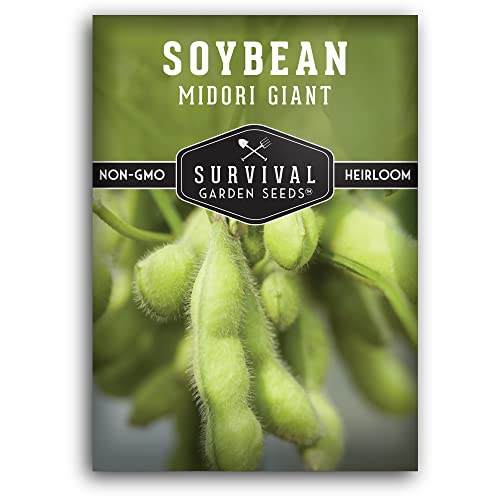
Midori Giant offers a protein-rich edamame option with bushy plants that reach about 20-24 inches, capable of producing abundant pods with 2-3 seeds per pod. This non-GMO heirloom variety is well-suited to home gardens and can be stored for future seasons when seeds are saved correctly. Germination typically occurs in 10-14 days under proper soil temperatures (65-75°F). Space plants evenly with full sun to maximize pod development and yield. The compact growth habit makes it practical for medium-sized plots, borders, or container-friendly setups.
Harvest green pods for fresh edamame or dry and shell later for other soy-based dishes. The variety’s storage potential adds value for gardeners planning longer-term harvests without frequent replanting.
Midori Giant Edamame – Isla’s Garden Seeds

Isla’s Garden Seeds markets Midori Giant Edamame as a high-yielding variety with large, plump pods. The plant typically builds a robust canopy, and the seeds are non-GMO. Its easy-growing nature makes it suitable for beginners, and the pods freeze well for long-term storage. Under ideal conditions, you’ll see strong pod development with consistent yields, making it a dependable choice for families or small-scale markets. Like other edamame varieties, ensure full sun, well-drained soil, and steady moisture for optimal performance.
Edamame can be enjoyed fresh, steamed, or added to a variety of dishes. The seeds are often sold in multi-packs, supporting larger planting projects or volunteer seed-sharing among gardening circles.
KVITER 40 Soy Bean Midori Giant Edamame Seeds

KVITER’s Midori Giant Edamame seeds promise fast germination and substantial growth, with bushes reaching 24-36 inches and producing crunchy, protein-rich pods. The variety is well-suited to USDA zones 3-9 and tolerates diverse soils, provided there is adequate warmth and sun. Expect seed sprouting within 5-10 days at temperatures around 70-90°F, enabling quicker harvest cycles. Pods are typically harvested when green and tender, though they can be salted and prepared like other edamame varieties. The non-GMO lineage appeals to gardeners seeking natural cultivars for home food production.
For best results, stagger plantings and provide consistent moisture, especially during pod fill. This variety is a practical choice for gardeners aiming to maximize yield per square foot in medium to large plots.
Chiba Edamame Seed – COUNTRY CREEK ACRES

This Chiba Edamame seed packet emphasizes exceptional sweetness and a high germination rate. The variety is easy to plant and grow, supporting a steady supply of fresh edamame pods. As a non-GMO option, it appeals to cooks and gardeners seeking clean, garden-sourced ingredients. Plant in well-drained soil with full sun, adjusting spacing to accommodate mature plant size. Harvest when pods are green for the freshest flavor and best texture, or let pods dry for dried bean use. This seed line is known for reliable performance in home gardens.
COUNTRY CREEK ACRES markets these seeds as a straightforward choice for novice and experienced gardeners alike, with emphasis on flavor, yield, and simplicity of cultivation in typical American backyard plots.
Buying Guide
Choosing the right edamame seed involves climate, growing conditions, and intended use. Consider days to maturity and whether you want green pods for fresh eating or dried beans for longer storage. Non-GMO varieties may appeal to gardeners seeking natural, heritage-type seeds. Look at plant height and bushiness to fit your space—many edamame plants are compact enough for small plots or container gardens, while others form taller bushes that need staking. Ensure nutrient-rich, well-draining soil and full sun for best yields. Save seeds from the healthiest plants to perpetuate your harvest, and dry pods properly if you plan to store seeds.
From a yield perspective, taller, bushy varieties often produce more pods per plant, but they demand more space and consistent moisture. For beginners, start with a variety labeled as easy to grow, with clear germination instructions and a reasonable days-to-maturity window. Storage considerations matter too: some seeds store well for future seasons if kept cool and dry, while others are best used within a single growing season.
Finally, consider culinary versatility. Edamame can be enjoyed fresh, steamed, or sautéed, and many varieties offer subtle differences in sweetness or nutty flavor. If you’re new to edamame gardening, a well-reviewed, non-GMO option with robust germination and strong disease resistance is a reliable start for building a home-grown protein source.