If you’re aiming for a quick, tasty corn harvest, start with well-chosen early-season seed. These varieties are bred to mature faster, produce reliable ears, and adapt to typical home gardens. This guide highlights five top picks that are well suited for American backyard growers who want an earlier payoff, whether you’re new to gardening or expanding an existing corn patch. Each product is evaluated for maturity time, flavor, plant height, and ease of growing. The table below summarizes the core attributes to help you compare at a glance.
Quick product summary
| Product | Days to Maturity | Best For | |
|---|---|---|---|
| Early Sunglow Hybrid (su) Corn Seeds | ~63 | Compact spaces; earlier harvest | Non-GMO, 20 g package; reliable germination 6–12 days |
| HOME GROWN Golden Bantam | 60–75 | Heirloom flavor; beginners | 100+ seeds; sturdy, time-tested variety |
| SVI 100 Golden 8 Bantam | 75–85 | Early-maturing with good pollination | Non-GMO heirloom; upright plants |
| Seed Needs Peaches and Cream | 80–90 | Bi-color flavor; short-season options | Hybrid; bicolor yellow/white kernels |
| Burpee Golden Bantam | 80 | Classic heirloom flavor | 200 seeds; time-tested variety |
Early Sunglow Hybrid (su) Corn Seeds

Originating from Hometown Seeds, this early-maturing hybrid is designed for gardeners who want quick results. Maturity is around 63 days, with a germination window of 6 to 12 days at 70–80°F. The package contains about 120 seeds in 20 grams. Best for smaller plots or early-season plantings where space is limited and a reliable start is essential.
Who it’s best for: Small-space gardeners and first-time corn growers who need predictable early yields without long waiting periods. The non-GMO nature supports traditional seed-saving goals if you choose to do so in future seasons.
Why selected: Shorter maturity and compact stand make it ideal for a quick harvest window, helping you maximize late spring or early summer yields. The germination range provides flexibility for different microclimates inside the same garden bed.
Caution: If your soil temperature is slow to warm, germination may take the longer end of the range, potentially delaying emergence by a few days. Ensure full sun and well-drained soil for best results.
Early Sunglow Yellow Sweet Corn Seeds (Isla’s Garden Seeds)

Isla’s Garden Seeds offers an early-maturing, yellow-sweet corn with golden ears typically reaching 6–7 inches. This variety prefers full sun and fertile, well-drained soil. Maturity is generally around 60–70 days, depending on conditions. Plants reach 4–6 feet tall and perform well in garden rows, raised beds, or compact spaces with proper soil warmth.
Who it’s best for: Home gardeners with moderate space who want a vibrant, sweet corn with dependable early yields and classic golden kernels.
Why selected: The early maturity and single-row to row-friendly growth pattern suit balcony or small-yard plots where block planting aids pollination and yield.
Caution: Some gardeners report variable germination if soil temperatures are not adequately warm at sowing time. Timing your planting to reach 60°F soil is important for reliable results.
HOME GROWN Golden Bantam Sweet Corn Seeds

Golden Bantam is a classic heirloom, renowned for sweet flavor and reliable performance. Each packet offers more than 100 seeds, suitable for home gardeners seeking a traditional, time-tested variety. This variety thrives in full sun and tolerates a range of soils. Plants typically reach up to 6 feet tall and are known for tender kernels and a satisfying cob experience.
Who it’s best for: Gardeners seeking a heritage flavor and dependable harvest with a lightweight entry point for beginners.
Why selected: Its enduring popularity and proven performance make it a go-to for those who want a reliable, straightforward sweet corn experience.
Caution: Being an heirloom, it may require careful pollination planning in very windy or sparse plots to ensure kernels fill evenly.
SVI 100 Golden 8 Bantam Corn Seeds

SVI’s Golden 8 Bantam seeds are an early-maturing option designed for reliable performance in home gardens. Maturity is typically 75–85 days, with plant heights around 48–60 inches. The seeds are described as non-GMO and suited for outdoor rows in USDA zones 2–10, with a focus on dependable pollination when planted in blocks.
Who it’s best for: Gardeners who want a compact, early-maturing plant with strong germination and reliable pollination in smaller plots or traditional garden beds.
Why selected: The early-to-mid primary harvest window suits seasonal growers who want a steady stream of ears through the season, especially in cooler microclimates.
Caution: Tall plant height requires careful spacing to avoid shading of neighboring plants and to ensure even ear development.
Seed Needs Peaches and Cream Sweet Corn Seeds

Peaches and Cream is a hybrid, sugary-enhanced (SE) bicolor corn variety, combining yellow and white kernels for a mixed-flavor experience. Maturity is typically around 80–90 days, making it suitable for regions with moderate growing seasons. Plant in blocks for better pollination, and aim for soil temperatures of 60°F or higher for good germination.
Who it’s best for: Gardeners who want a dual-toned cob with a sweet profile and robust pollination performance in standard garden plots.
Why selected: The hybrid nature and bicolor kernels provide both flavor variety and a reliable harvest in diverse climates.
Caution: If you’re in a very short-season region, ensure your window aligns with the 80–90 day maturity to avoid late-season yields.
Burpee Golden Bantam Sweet Corn Seeds
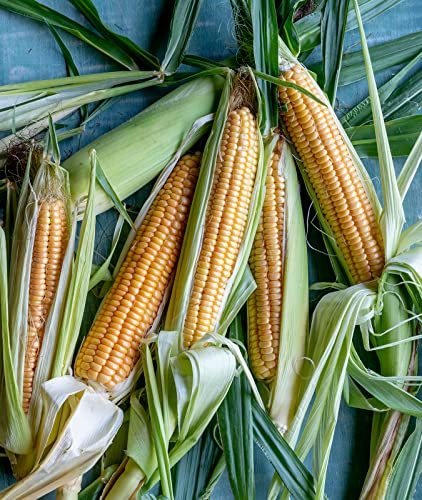
Burpee’s Golden Bantam is an iconic heirloom seed line, introduced in 1902. This package includes 200 seeds, offering a substantial start for larger garden plots or seed-saving ambitions. The variety is described as an open-pollinated, yellow sweet corn with a classic flavor that has stood the test of time. Typical harvest is around 80 days after planting in warm conditions.
Who it’s best for: Home gardeners who want a proven, nostalgic heirloom with plenty of seed stock for bigger patches or sharing.
Why selected: A long-standing favorite for flavor and reliability, making it a safe choice for traditional corn-goers who value heritage varieties.
Caution: Open-pollinated varieties require careful spacing to maintain kernel uniformity in larger plantings and to avoid cross-pollination with other corn types.
Buying Guide
Which early corn variety should you choose? Consider these practical factors to match your climate, space, and harvest goals.
- Maturity window: If you’re short on time or have a shorter growing season, prioritize varieties maturing in 60–75 days. For longer seasons, 75–90 days is acceptable.
- Space and height: Taller varieties may shade others. Choose compact or shorter plants if you have narrow beds or want to maximize spacing for pollination.
- Flavor profile: Heirloom varieties (Golden Bantam, Peek-through types) emphasize traditional flavors. Bi-color hybrids offer a mix of yellow and white kernels for variety.
- Pollination strategy: Plant in blocks rather than straight single rows to improve ear fill and uniform kernels, especially for open-pollinated options.
- Soil and sun: Most sweet corn thrives in full sun and fertile, well-drained soil. Warm soils (60°F minimum for germination) encourage quicker emergence and better yields.
- Seed quantity: If you’re feeding a family or planning canning/freezing, larger seed packets (e.g., 100–200 seeds) are practical; smaller packs are suitable for hobby plots.
Frequently Asked Questions
- What is the best corn variety for a quick harvest? Look for varieties with maturity around 60–75 days, such as Early Sunglow and other early hybrids, to minimize time to eatable ears.
- Do I need to plant corn in blocks? Yes. Planting in blocks improves pollination and ear development compared to long straight rows.
- Can I grow sweet corn in containers? Most standard varieties require larger root systems; choose compact or dwarf types and ensure ample sun and drainage.
- Is non-GMO corn better for home gardens? Non-GMO seeds are preferred by gardeners who want to avoid genetic modification; however, performance depends on environmental conditions and care.
- When should I plant corn in my region? Plant once soil temperatures reach at least 60°F for germination and when danger of frost has passed in your area.
- How should I harvest sweet corn? Harvest when silks turn brown and kernels are full and milky when pressed; pick ears promptly for best sweetness.