Keeping dogs and other animals away from your lawn without harming pets or kids is a common landscaping goal. The following picks focus on natural scents, training-friendly strategies, and long-lasting coverage to help maintain pristine outdoor spaces. Each option targets dogs and other common yard intruders, offering guidance on how to apply and maintain protection.
Product Overview
- Bonide Go Away! Rabbit, Dog, & Cat Repellent Granules, 3 lbs
- Nature’s MACE Dog Mace Spray, 40 oz
- Colton’s Naturals Dog Repellent Spray, 32 oz
- Nature’s MACE Dog Mace Granular Repellent, 2.5 lb
- Nature’s Defense Behavior Modification Scent Granular, 44 oz
Bonide Go Away! Rabbit, Dog, & Cat Repellent Granules, 3 lbs
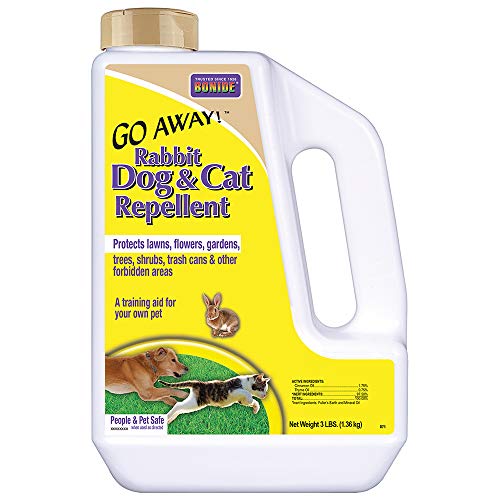
Bonide’s Go Away! Granules provide a natural barrier to keep dogs off lawns, mulch beds, and flower areas. The formula relies on cinnamon and thyme oils as deterrents, creating a scent barrier rather than a harsh chemical environment. As a training aid, it can help modify pets’ behavior by marking the treated zones as off-limits. Safe for people and pets when used as directed, these granules offer a straightforward way to protect gardens without intense supervision. Application is best after clearing the area of feces and following the product’s directions for outdoor use.
Best used as part of a broader management plan, Go Away! can be reapplied after a rain and periodically during high-traffic seasons. While it excels as a deterrent, it may require additional training methods to reduce existing dog tendencies. The granules blend into soil and mulch, avoiding conspicuous residues on turf. For households with curious dogs, combining this product with boundary markers or consistent training routines can enhance effectiveness over time.
Nature’s MACE Dog Mace Spray, 40 oz
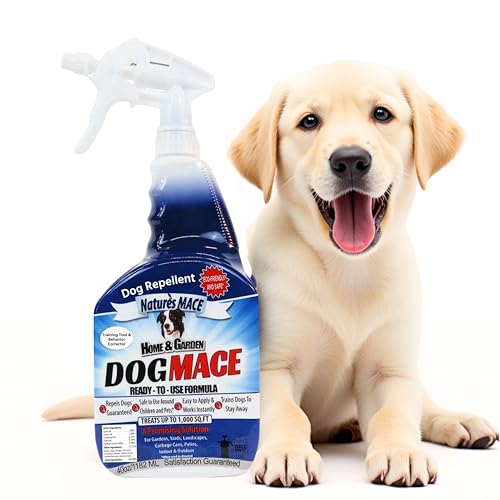
This spray is designed to deter dogs from marked or restricted areas using scent aversion. It covers up to 1,000 square feet and is presented as a training aid that can reduce unwanted behaviors such as digging, chewing, or urination in prohibited zones. The formula emphasizes plant-based oils that are unpleasant to dogs but gentle on people and the environment. For best results, apply after removing existing waste and follow a routine schedule—daily for the first week, then taper to a maintenance cycle. Suitable for indoor or outdoor use, with emphasis on consistency.
While it offers a convenient, spray-based solution, owners should pair it with clear boundaries and positive reinforcement to reinforce lawn-off behavior. The spray’s plant-derived ingredients help minimize ecological impact, but effectiveness varies with dog temperament and repeated exposure. Users may need to adjust frequency during heavy dog activity or after rain to maintain deterrence over large yards or multiple zones.
Colton’s Naturals Dog Repellent Spray, 32 oz

Colton’s Naturals uses a combination of citronella and cinnamon oils to create a natural, kid- and pet-safe deterrent. The spray is designed for both indoor and outdoor use and claims to deter dogs from accessing lawns, decks, and gardens. It’s marketed as effective for preventing entry by stray or neighborhood dogs, with the option to reapply after rain. The formula emphasizes essential oils rather than synthetic compounds, potentially appealing to households seeking a more natural approach.
Application is straightforward: treat the target areas after cleaning and reapply as needed. The spray can be used on furniture, planters, and entryways, making it a flexible option for mixed-use spaces. However, as with other scent-based repellents, results depend on consistency and the dog’s motivation. Some users may find it most effective when combined with physical barriers and routine training to establish long-term boundaries.
Nature’s MACE Dog Mace Granular Repellent, 2.5 lb

This granular repellent focuses on scent-based deterrence to keep dogs away from lawns, flower beds, and other treated areas. Covering up to 1,400 square feet, it’s ideal for targeting specific spots rather than entire yards. The product is positioned as a training tool: initial frequent application helps establish the desired boundary, followed by reduced frequency as dogs learn to avoid treated zones. It’s designed for outdoor use and emphasizes a family-friendly formula that aims to minimize risk to children, pets, and plants when used as directed.
Granular applications require even spreading and reapplication every 1–2 weeks, or after rain or mowing, to maintain efficacy. For larger properties, combining granular repellents with other deterrents—like sprays or physical barriers—can improve overall control. Users should ensure the area is cleared of feces prior to application to maximize effectiveness and reduce lingering odors that could attract other wildlife.
Nature’s Defense Behavior Modification Scent Granular, 44 oz
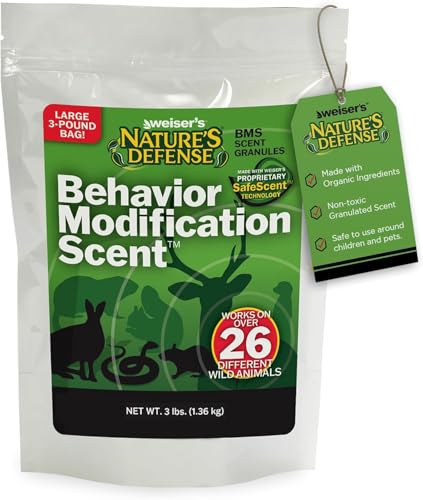
Nature’s Defense offers a broad-spectrum granular repellent designed to deter a variety of animals, including dogs, from gardens and outdoor spaces. With coverage up to 7,000 square feet, it provides a cost-effective option for larger yards. The product is marketed as both a deterrent and a tool for behavior modification, encouraging pets to avoid treated zones over time. The formula emphasizes natural ingredients and a plant-based approach, aligning with customers seeking eco-friendly lawn protection.
For durable results, users should apply to entire problem areas and maintain consistency during initial weeks. The granular format allows for easy customization of coverage, especially around borders, flower beds, and play areas. While nature-based repellents are appealing, effectiveness can vary with weather, dog habits, and seasonality. Combining with training, fencing, and routine yard maintenance can help maximize long-term protection.
Buying Guide: Key Considerations For Dog Poop Repellent Lawn
- Coverage and yard size: Choose products that match the square footage of your lawn. Granular options often offer broader coverage, while sprays can be targeted to specific hotspots.
- Safety and ingredients: Look for pet-safe, plant-based formulas when possible. Understand the active ingredients (cinnamon, citronella, peppermint, etc.) and any labeling on child/pet safety.
- Training synergy: Treat repellents as tools, not replacements for training. Combine deterrents with consistent boundaries, routines, and positive reinforcement for long-term results.
- Weather considerations: Rain, humidity, and mowing can affect efficacy. Some products require reapplication after rain or every 1–2 weeks for continuous protection.
- Indoor vs outdoor use: Some solutions work well indoors (e.g., entryway deterrents) while others are designed for outdoor landscapes. Consider where you need protection most.
- Versatility: If you have multiple nuisance animals, seek products labeled for a broad range of species or with adjustable application patterns.
- Maintenance integration: Pair products with physical barriers (fences, edging) and regular yard cleanup to reduce attractants and improve results.