Transforming raised beds with the right decking boards can boost durability, aesthetics, and ease of maintenance. This guide highlights five popular choices that perform well in garden settings, from polymer composite tiles to cedar and wooden raised beds. Each option offers distinct benefits, so you can pick a solution that fits your climate, load, and gardening style.
| Product | Material Type | Best For | Notes |
|---|---|---|---|
| ShunHong Polymer Composite Interlocking Deck Tiles | HDPE + recycled wood fibers | All-weather raised surfaces | Waterproof, low maintenance, interlocking |
| Yaheetech Wooden Horticulture Raised Bed | Solid wood (natural) | Flexible planting layouts | Divisible design for multiple setups |
| BACKYARD EXPRESSIONS Wooden Raised Garden Bed | Natural wood with liner | Ergonomic, weed control | 30″ height option for comfortable gardening |
| Cedar Raised Garden Bed (4×4) | Cedar wood | Long-lasting, natural look | 14–16 sq ft planting area typically |
| Greenes Fence Premium Cedar Raised Bed | Cedar | Open-bottom cedar frame | Simple dovetail assembly |
ShunHong Polymer Composite Interlocking Deck Tiles

ShunHong offers interlocking deck tiles that form a durable surface suitable for raised beds in all-weather conditions. Their decking tiles combine high-density polyethylene (HDPE) with recycled wood fibers to deliver a sustainable, water-resistant surface that resists cracking and deformation. The tiles are designed for simple, tool-free installation, and their mesh-bottom design promotes drainage to prevent water buildup. Maintenance is minimal—sweeping or rinsing with water keeps the tiles clean. This option can lower long-term maintenance costs compared with traditional wood, and the interlocking system accommodates irregular bed shapes.
Yaheetech 8×4ft Wooden Horticulture Raised Garden Bed
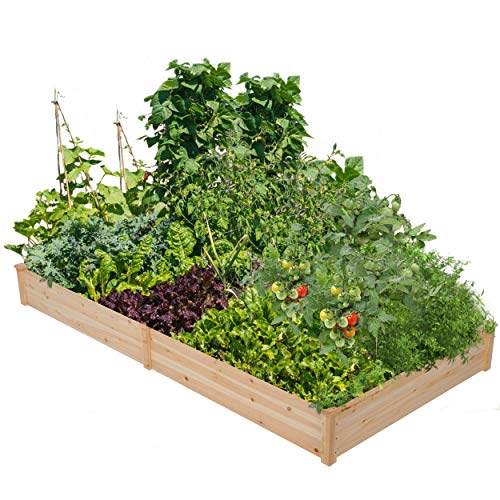
Yaheetech’s wooden raised bed emphasizes natural wood for a classic garden look. The bed is solid wood without paint, designed for long-term outdoor use. Its divisible, modular construction allows flexible planting layouts—great for gardeners who want to rotate crops or experiment with companion planting. The single-piece design of the side supports provides stability during setup. For those prioritizing a natural aesthetic and straightforward assembly, this option blends well with traditional garden designs and thrives in moderate climates with proper sealing.
Backyard Expressions Wooden Raised Garden Bed
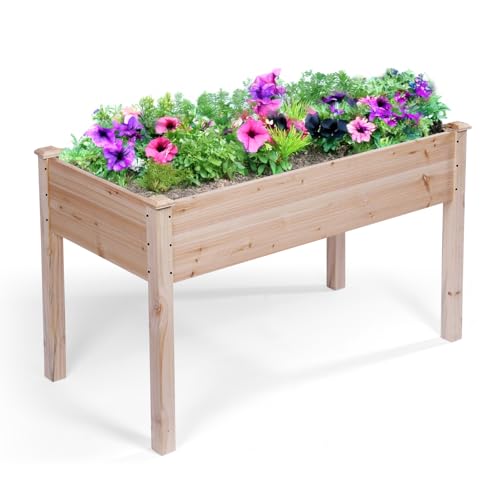
This elevated planter from Backyard Expressions prioritizes user comfort and garden health. With a practical 30-inch ergonomic height, it minimizes bending and kneeling, making ongoing maintenance easier. The bed is constructed from high-quality natural wood and includes a protective bed liner to extend wood longevity, suppress weed growth, and support healthier plant development. It’s a versatile choice for vegetables, herbs, or ornamental plantings in patios or small yards, especially where accessibility is important.
Cedar Raised Garden Bed (4ft x 4ft)

This cedar garden bed offers a spacious 4×4 footprint with 16 cubic feet of growing space and a durable, weather-resistant cedar structure. The ergonomic 11-inch height reduces strain during planting, maintenance, and harvest. Cedar is a natural, rot-resistant option that ages gracefully, making it a popular choice for long-term garden beds. It provides a warm aesthetic that complements outdoor landscapes while delivering solid performance in moderate climates.
Greenes Fence Premium Cedar Raised Garden Bed

The Greenes Fence Premium Cedar bed is crafted from untreated North American cedar for a natural, safe gardening experience. The design emphasizes easy assembly with dovetail interlocking joints, forming a sturdy open-bottom frame that supports healthy root growth. This option is ideal for gardeners who want a modular, maker-friendly structure that can expand over time. The open-bottom design also facilitates improved drainage and air circulation around plant roots, contributing to robust growth in various climates.
Buying Guide: Key Purchase Considerations
Material choice affects durability, maintenance, and aesthetics. Polymer composite tiles provide low maintenance and high water resistance, but may have a different look than natural wood. Cedar and other woods offer a classic appearance and warmth, but require periodic sealing or treatment to resist weathering. Open-bottom cedar frames improve drainage but may have different load-bearing characteristics than solid panels. Consider climate, sun exposure, and soil type when selecting decking boards for raised beds.
- Durability and weather resistance: For harsh climates, polymer composites or treated woods can outperform plain wood.
- Maintenance needs: Low-maintenance surfaces save time and effort; some options require periodic cleaning or sealing.
- Installation: Interlocking tiles and modular beds simplify setup, especially for irregular layouts.
- Drainage and root health: Open-bottom or well-ventilated designs promote drainage and air access to roots.
- Aesthetics and integration: Natural wood offers a classic look, while composites provide a modern, uniform appearance.
- Safety: Rounded edges and smooth finishes reduce the risk of injury during assembly and gardening.
When selecting decking boards for raised beds, balance durability, look, and maintenance with the types of plants you plan to grow and your local weather patterns. For high-traffic or pool-adjacent areas, waterproof or water-resistant options may extend the bed’s life. For ornamental or kitchen gardens, a softer wood tone can blend better with landscape design. In many cases, a combination approach—wood for visual appeal and composite/metal for edging or high-wear areas—delivers the best overall performance.