Choosing the right water conditioner can improve plant health by neutralizing chlorine, chloramines, and heavy metals often found in municipal tap water. This article highlights five effective products for houseplants, hydroponics, and garden setups, helping you provide safer, more stable watering. The included buying guide covers key considerations for selecting the best conditioner for your needs.
| Product | Brand | Key Benefit |
|---|---|---|
| Southside Plants Tap Water Conditioner | Southside Plants | Dissipates chlorine & chloramines; buffers pH; suitable for ponds & aquariums |
| Water Conditioner for Houseplants | Bellawood Horticulture | Neutralizes chlorine & chloramine; binds trace metals; 200-gallon coverage |
| Tap Water Conditioner for Houseplants | Cute Farms | Neutralizes chemicals; long-lasting concentrate; supports strong roots |
| Tap Water Conditioner for Plants & Hydroponics | Berkland | Fast results; balances pH; formulated for indoor plants & hydroponics |
| hygger Aquarium Water Conditioner | hygger | Neutralizes chlorine, chloramines, heavy metals; safe for fish and aquatic plants |
Southside Plants Tap Water Conditioner for Houseplants

Designed to reduce stress from municipal water treatments, this conditioner helps plants grow taller and more robust by dissipating chlorine, chloramines, and heavy metals before roots absorb them. It also buffers pH for stable nutrient uptake. Use 1/4 capful per gallon of tap water, making the bottle capable of treating up to about 200 gallons. The formula is versatile, extending to ponds and aquariums when directed, providing a broad option for mixed habitats.
Water Conditioner for Houseplants – Neutralizes Chlorine & Chloramine

This conditioner targets chlorine and chloramine, reducing stress on sensitive houseplants and improving soil health. It also helps bind trace metals in tap water to support balanced nutrient uptake. A small amount goes a long way: ⅛ teaspoon per gallon treats up to 200 gallons, which translates to significant cost savings and storage efficiency for households with multiple plants.
Tap Water Conditioner for Houseplants, Hydroponics, & Aquariums | 16oz

Crafted for indoor plant care and hydroponics, this conditioner neutralizes chlorine, chloramines, and heavy metals while buffering pH to promote healthy root zones. The highly concentrated formula treats up to about 320 gallons, offering a cost-effective solution for larger plant collections or sustained hydroponic use. Its plant-focused formulation is designed to support robust foliage and vigorous growth while avoiding aquatic-specific additives.
Tap Water Conditioner for Plants & Hydroponics, 4 oz

With a fast-acting formula, this conditioner neutralizes chlorine, chloramines, and heavy metals within days, and buffers pH to prevent nutrient lockout. It’s specifically marketed for houseplants and hydroponics, aiming to support stronger roots and greener leaves. A little goes a long way, with a 4 oz bottle treated up to 200 gallons, making it a practical option for small to medium plant setups.
hygger Aquarium Water Conditioner for Freshwater
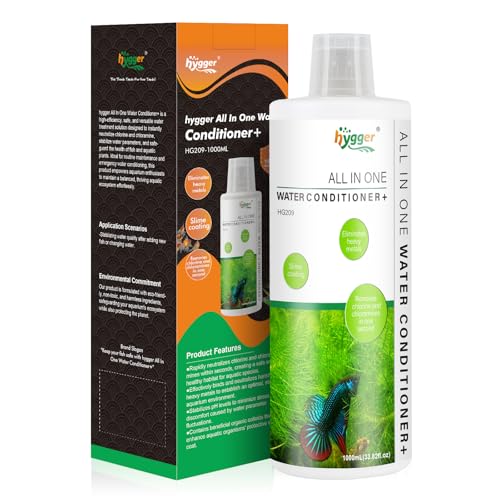
Although marketed for freshwater aquariums, this conditioner is compatible with aquatic plants and roots, neutralizing chlorine and chloramines while reducing heavy metals and stabilizing pH. The product includes aloe vera extract to support plant and fish health in mixed environments. Its broad safety profile makes it suitable for hobbyists who rotate water between plant tanks and aquatic displays.
Webb’s Water Gardens Essential Tap Water Conditioner Dechlorinator

Designed for ponds, freshwater gardens, and aquariums, Webb’s Water Gardens Dechlorinator removes chlorine and other harmful chemicals to create a safe watering base for aquatic plants and pets. The 16-ounce bottle is compact and travel-friendly, offering concentrated power for immediate use during water changes or new tank setups. The product emphasizes fast-acting results and broad applicability across watery plant environments.
Buying Guide: Key Considerations For Choosing A Plant-Friendly Water Conditioner
When selecting a dechlorinating conditioner for plants, consider the following factors to ensure you meet your specific needs:
- Water source: Municipal tap water often contains chlorine or chloramines; some systems warn about heavy metals. Confirm which contaminants your conditioner targets and whether you also need pH buffering.
- Concentration and coverage: Concentrated formulas save money and space, but ensure you can accurately measure dosing and reach your total water volume (gallons per bottle).
- Plant type and setup: Houseplants, hydroponics, and outdoor plants may have different sensitivities. Some products emphasize houseplants only, while others are suitable for hydroponics and aquariums as well.
- pH buffering: If your water tends to drift pH during watering, a conditioner with pH buffering can stabilize nutrient uptake and reduce nutrient lockout.
- Heavy metals neutralization: If your source water contains metals like lead or copper, confirm the product’s ability to bind or neutralize them, which can protect delicate root systems.
- Aquatic compatibility: Some formulas are designed for fish and aquatic life; if you grow aquatic plants, verify compatibility to avoid harming beneficial microbes or fish.
- Usage simplicity: Clear dosage instructions (for example, capfuls or teaspoons per gallon) simplify regular use and reduce user error.
- Storage and shelf life: Consider bottle size relative to your plant collection to minimize waste and ensure consistent dosing.
In practice, match a conditioner to your primary watering method—houseplants in soil, hydroponics systems, or ponds—while ensuring the product’s claims align with your water quality and plant health goals. Regular monitoring of plant appearance (leaf tips, color, growth rate) helps assess conditioner effectiveness over time.