Looking for classic English roses that thrive in American gardens? This guide highlights five top David Austin rose plants that are well-suited for outdoor planting across multiple hardiness zones. Each option is best for different buyers: beginners seeking easy care, seasoned gardeners aiming for fragrance, climbers enhancing fences, and those valuing reliable bloom production. The following selections emphasize own-root plants from Heirloom Roses, 1-gallon containers, and strong winter hardiness. A quick comparison table follows to help you choose at a glance.
Summary of selected products
- Lady of Shalott Orange Rose Bush — Best for warm orange tones, 4–11 hardiness
- Queen of Sweden Pink Rose Bush — Best for pink elegance, 5–10 hardiness
- Golden Celebration Yellow Rose — Best for bright focal color, 5–10 hardiness
- Tranquillity White Rose Bush — Best for pure white blooms, 5–11 hardiness
- Strawberry Hill Pink Very Fragrant Climbing Rose — Best for vertical spaces, 4–11 hardiness
Heirloom Roses Lady of Shalott Orange Rose Bush

Best for gardeners wanting a vibrant orange bloom that carries strong presence in mixed borders. This Lady of Shalott plant is an own-root, 12–16 month old David Austin rose delivered in a one-gallon container with rich soil. Hardiness zones: 4–11. The rose produces plentiful blooms and stays true to variety, offering reliable performance across seasons.
Who it’s best for: new and experienced growers who favor a bold color accent. Why selected: its own-root robustness and proven color stability. Caution: color intensity can vary with climate, and early-season growth may require regular feeding.
Heirloom Roses Queen of Sweden Pink Rose Bush

Best for collectors seeking refined pink tones and strong fragrance in a dependable own-root plant. This Queen of Sweden rose is 12–16 months old, in a one-gallon container, and suitable for hardiness zones 5–10. Its David Austin lineage ensures classic English rose form and a reliable summer display.
Who it’s best for: fragrance enthusiasts and color-coordinated border designers. Why selected: balanced pink color with enduring bloom habit. Caution: not ideal for extreme heat beyond zone suitability; provide afternoon shade in hot climates.
Heirloom Roses Golden Celebration Yellow Rose
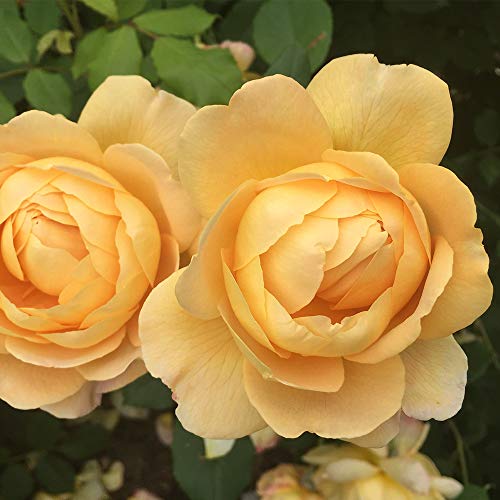
Best for bright, sunny focal points in garden beds or borders. The Golden Celebration plant is own-root, 12–16 months old, in a one-gallon pot, and suited to zones 5–10. It delivers a strong yellow bloom with traditional David Austin form, making it a staple for cheerful landscapes.
Who it’s best for: designers aiming for a strong color statement. Why selected: high-performing yellow English rose with robust habit. Caution: intense color may fade under extreme heat; ensure consistent watering during dry spells.
Heirloom Roses Tranquillity White Rose Bush

Best for elegant, clean-white blooms in cottage garden designs or formal sections of a landscape. This Tranquillity white rose is own-root, 12–16 months old, and delivered in a one-gallon container. Hardiness zones: 5–11. The plant offers a steady white display and classic English rose silhouette.
Who it’s best for: gardeners seeking a versatile white backdrop. Why selected: reliable white blooms with the traditional David Austin shape. Caution: white petals can show browning at the edges in hot, sunny climates; provide mulch and moisture control.
Heirloom Roses Strawberry Hill Climbing Rose

Best for vertical spaces and trellises with fragrant pink blooms. This climbing rose is own-root, 12–16 months old, and delivered in a one-gallon container. Hardiness zones: 4–11. The Strawberry Hill cultivar adds a vine-friendly option for fences, walls, or arbors with year-round interest.
Who it’s best for: those with doors, pergolas, or garden walls needing height and fragrance. Why selected: climbing habit expands garden space creatively. Caution: climbing roses require sturdy support and consistent training for top performance.
Buying Guide: Key Purchase Considerations
- Root type: All selected items are own-root, which typically offers better hardiness and bloom longevity compared to grafted specimens.
- Container age: Each plant is described as 12–16 months old in a one-gallon container, providing a mature, established plant ready for transplanting.
- Hardiness zones: Check zone compatibility—these selections cover zones roughly 4–11—to fit most American climates.
- Growth habit: Choose between shrub roses for borders and white or pink varieties, or climbing roses for vertical spaces.
- Care requirements: Provide regular watering, mulching, and balanced feeding to support bloom production and disease resistance.
- Color and fragrance: Consider the color palette and fragrance level to complement existing garden design.
Frequently Asked Questions
- What is an own-root rose, and why choose it?
An own-root rose has its original roots, not grafted onto a rootstock. It typically offers stronger hardiness, more blooms, and stays true to variety over time. - Are these roses suitable for first-time gardeners?
Yes, many of these David Austin varieties are straightforward to grow in typical home gardens with proper spacing, sun, and regular care. - Which rose is best for fragrance?
Strawberry Hill and Queen of Sweden are noted for notable fragrance, but your experience may vary with climate and bloom stage. - Can climbing roses be grown in small spaces?
Climbing roses can be trained on trellises or fences in relatively compact areas when pruned and tied carefully. - How do I plan color coordination with these roses?
Pair warm oranges and yellows with cool whites and pinks for contrast, and use foliage as a backdrop to highlight bloom color.